


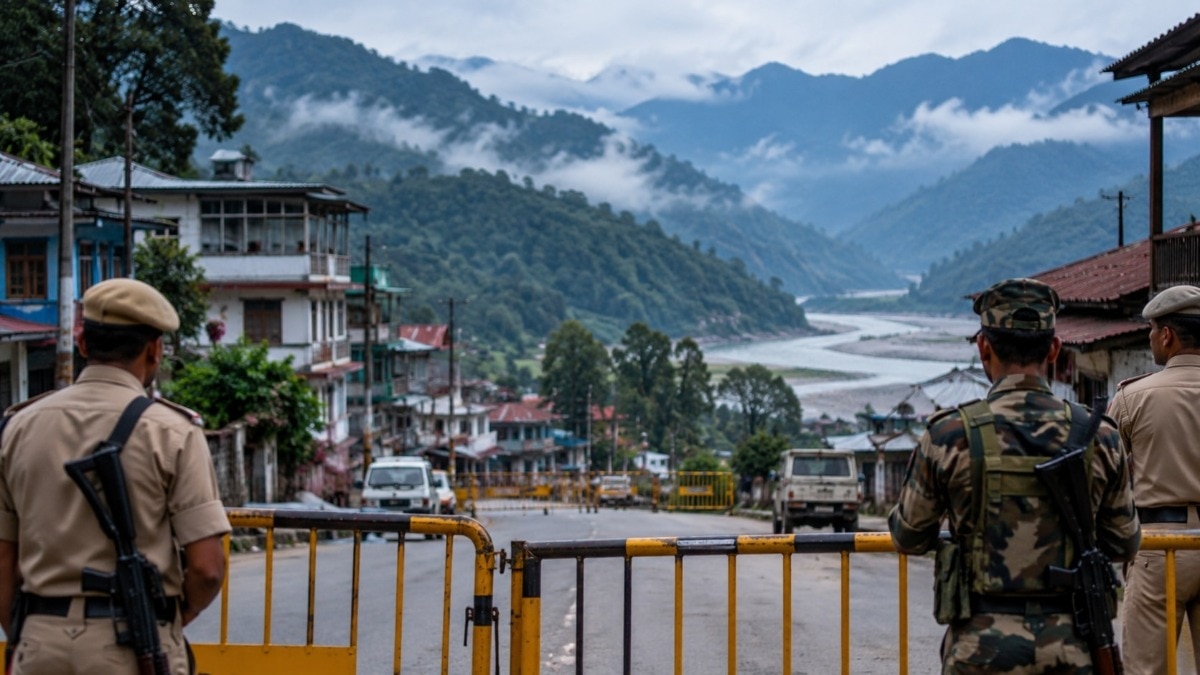
Itanagar: Normal life was disrupted in parts of Arunachal Pradesh on Monday as several organisations began a 36-hour bandh against a proposed hydropower project on the Siang river.
Many schools, government offices, shops and markets were closed in Upper Siang district, while buses stayed off the roads and demonstrators burnt tyres at several places. East Siang was also affected, but the bandh had no impact in Siang district.
The Siang Indigenous Farmers Forum and the Siang Upper Multipurpose Project Affected Area Youth Association called the shutdown across Siang, Upper Siang and East Siang districts. An official told the Press Trust of India that the protest disrupted normal life in Upper Siang and impacted East Siang, stemming from grievances that demands had not been met.
The protesting groups have demanded the release of arrested demonstrators, the withdrawal of security forces, and the suspension of ongoing survey work for the 11,200-megawatt Siang Upper Multipurpose Project, a massive hydropower facility planned on the river.
Upper Siang Deputy Commissioner Ashok Tajo reported that numerous government offices and schools remained closed alongside shops and commercial establishments, with the protest being particularly effective in Yingkiong town and Geku. Meanwhile, Siang Superintendent of Police Kamdam Sikhom stated that the district experienced no impact, with local government offices, shops and schools functioning normally.
The massive infrastructure initiative, envisioned as one of the country's largest hydropower developments, has drawn persistent opposition from members of the indigenous Adi community residing in the designated project-affected areas.
Local residents have expressed deep concern that the dam could submerge ancestral villages, displace communities, cause the loss of vital agricultural land and forests, and permanently disrupt their traditional way of life.
At the same time, the central government views the project as a critical strategic asset in response to China's planned mega-hydropower scheme on the Yarlung Tsangpo river in Tibet, which flows downstream into India as the Siang.