


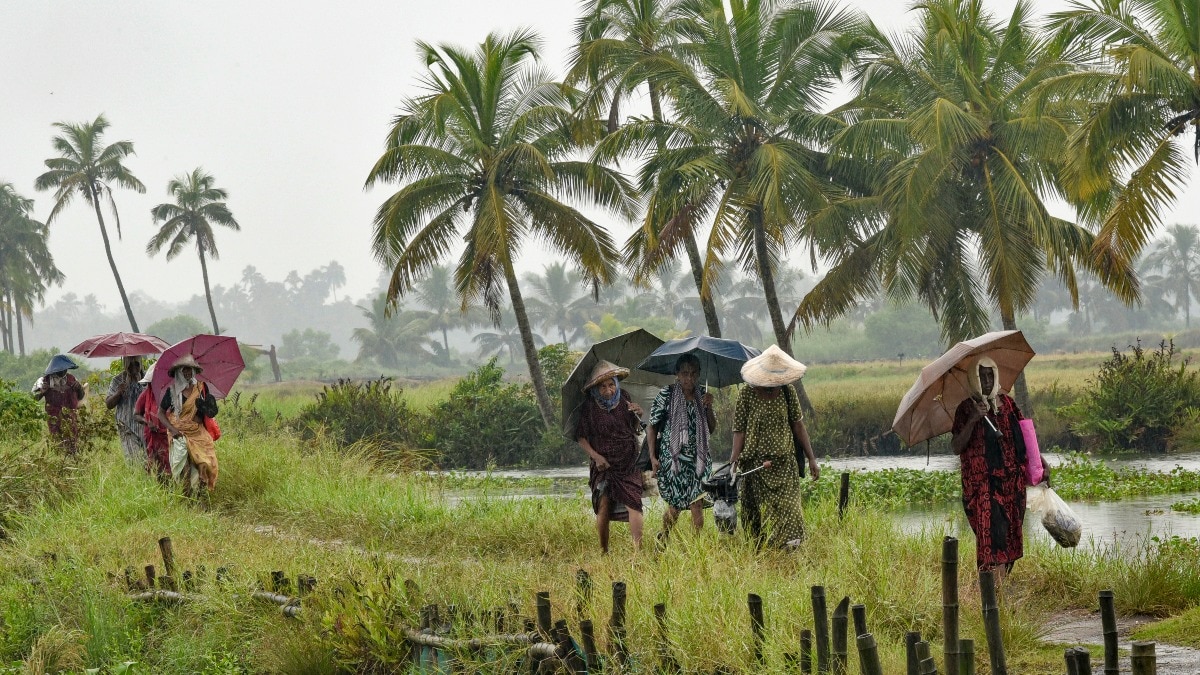
India's southwest monsoon officially withdrew from the entire country on October 15, clearing the way for the arrival of the northeast monsoon and bringing renewed rainfall to parts of southern India. Confirmed by the India Meteorological Department, this seasonal shift marks the conclusion of the primary June-to-September rainy season while initiating another essential period of precipitation for the southern peninsula.
Frequently described as India's second monsoon, the northeast monsoon holds particular significance for Tamil Nadu and surrounding areas, where it provides a substantial portion of the yearly precipitation. The seasonal rainfall period generally spans from October to December, following the retreat of the summer monsoon. In contrast to the southwest monsoon, which delivers widespread rain across the vast majority of the country, the northeast monsoon primarily impacts the southeastern peninsula.
The name of the season is derived from the prevailing wind direction. As the southwest monsoon departs, wind patterns shift and winds blowing from the northeast gain prominence. These air currents gather moisture as they travel across the Bay of Bengal, delivering precipitation to the southern territories. Precipitation during this period is additionally shaped by low-pressure systems and tropical cyclones developing over the Bay of Bengal, which can occasionally trigger intense downpours in short timeframes.
This regional weather cycle is vital for Tamil Nadu, Puducherry, coastal Andhra Pradesh, and portions of Karnataka and Kerala. Tamil Nadu especially depends on these months for a large share of its annual precipitation, making the season critical for local agriculture, water reservoirs, and drinking-water reserves.
The meteorological agency confirmed that northeast monsoon precipitation activity officially commenced on October 15 across Tamil Nadu, Puducherry, Karaikal, coastal Andhra Pradesh, Rayalaseema, south interior Karnataka, Kerala, and Mahe. Forecasters have predicted an active wet spell featuring isolated heavy rainfall across numerous areas of southern peninsular India.
The northeast monsoon is intimately tied to the exit of its predecessor, representing distinct phases of India's seasonal transition. While the retreating monsoon refers to the departure of the summer weather system from the subcontinent, the northeast monsoon defines the precipitation linked to the subsequent shift in wind patterns over the south. Consequently, these twin seasons illustrate a meteorological transition rather than an abrupt halt to precipitation nationwide, bringing a distinct rainy cycle to the south while the rest of the country trends toward drier conditions.