


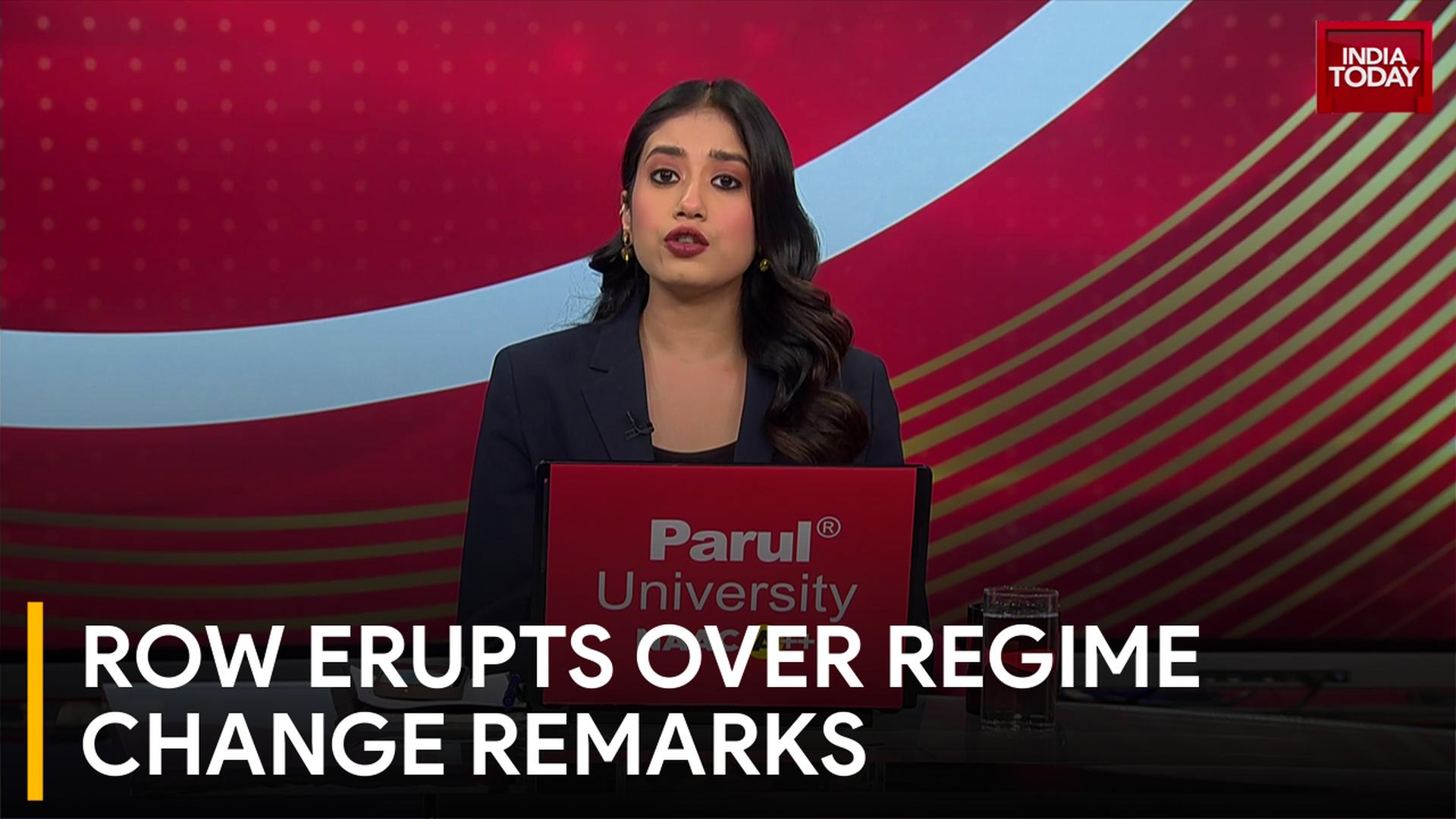
A political controversy has intensified between the government and the opposition over calls for regime change linked to ongoing demonstrations in the national capital. The agitation initially began with demands seeking the resignation of Chief Election Commissioner Gyanesh Kumar and the Election Commission of India, before expanding into broader debates over police crackdowns and protests.
Remarks made by All India Students' Association president Neha Bora, which cited Bangladesh's movement and explicitly named regime change as a goal, sparked sharp criticism from the ruling dispensation. In contrast, senior advocate Prashant Bhushan and various opposition figures questioned why demanding a change in government should draw objections.
Responding to the demonstrations, Union Minister Pralhad Joshi directed criticism at Rahul Gandhi and the student protesters. He argued that India is a robust democracy where governments can only be formed or changed by winning elections, rather than through street agitation or unrest.
Discussions surrounding the protests have also touched upon historical precedents of civil movements in neighboring South Asian nations, such as Sri Lanka and Bangladesh. However, leaders from the ruling coalition have strongly emphasized India's entrenched constitutional framework and electoral processes as the sole legitimate avenues for political transition.