


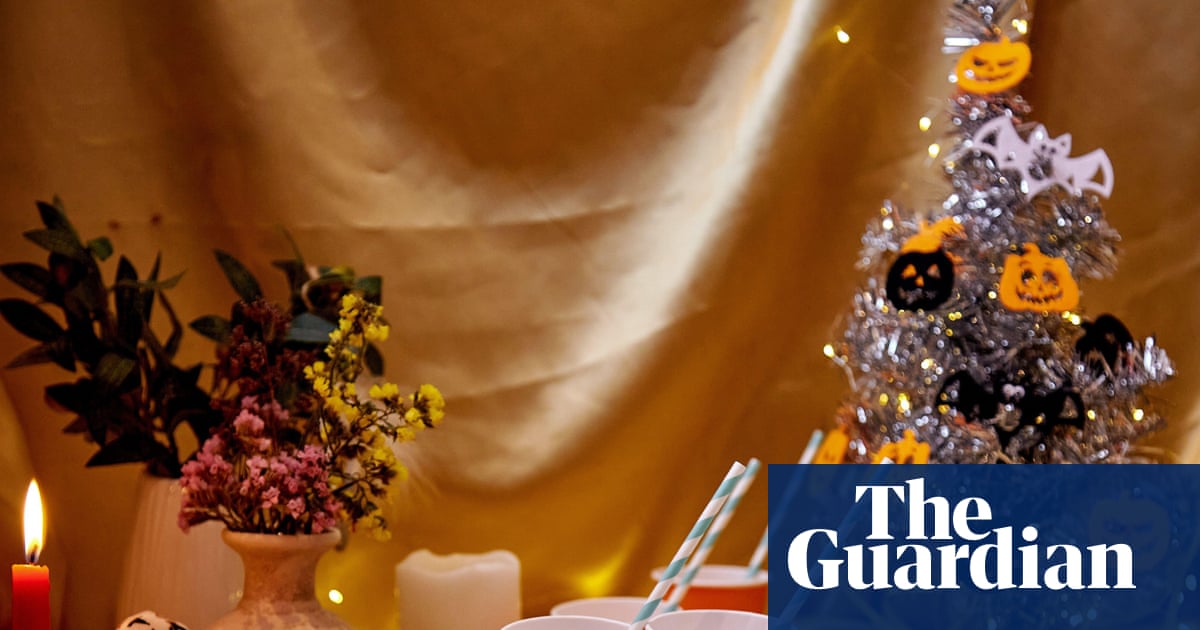
The holiday season is arriving earlier than ever, featuring advent calendars, front door wreaths, and decorated trees that look distinctly ghoulish. This merging of festivities has given rise to a phenomenon known as Halloweenmas, transforming a traditional single-night event into a month-long celebration mimicking holiday traditions minus the heavy expectations.
Data from the online wholesale platform Faire highlights a massive surge in available Halloweenmas merchandise, with products climbing more than 500% over a four-year period from 425 items in 2021 to 2,632 items by 2025. Key growth categories include decorative trees, wreaths, and various ornaments.
Budget retailer Wilko reports that Halloween trees represent a major decoration trend, noting that artificial tree sales surged 200% in September compared to the previous year. Retail representatives note that these displays come with no strict guidelines, allowing people to choose elaborate setups or minimalist twig trees featuring spooky accessories.
Social media displays reflect a wide variety of styles, ranging from witch-hat-shaped black tinsel trees to kid-friendly crafts. Major arts and craft suppliers are actively publishing guides for DIY projects, including twig trees adorned with handmade felt pumpkins and lolly-stick spiderwebs.
Small business owners in the partyware sector report ordering significantly more stock to meet heightened consumer demand. Retailers observe that households are decorating much earlier and with greater intentionality, especially given calendar alignments that favor weekend celebrations.
Retail analysts from Mintel emphasize that the holiday has expanded far beyond traditional sweets and costumes into a full season focused on engagement, gift exchanges, and creative activities. Younger demographics, particularly those between 16 and 34 years old, are driving this trend by over-indexing on cosmetics, special outfits, and home decor.
Experts point to social platforms as a primary catalyst for the extended season, with a large portion of holiday shoppers making direct purchases through apps. Viral makeup tutorials, costume trends, and home styling inspiration continue to influence spending habits well before October concludes.
Observers note that the shift provides people with an affordable opportunity to share creative experiences and spend quality time together before the hectic winter holiday season kicks off, all without financial pressure.