


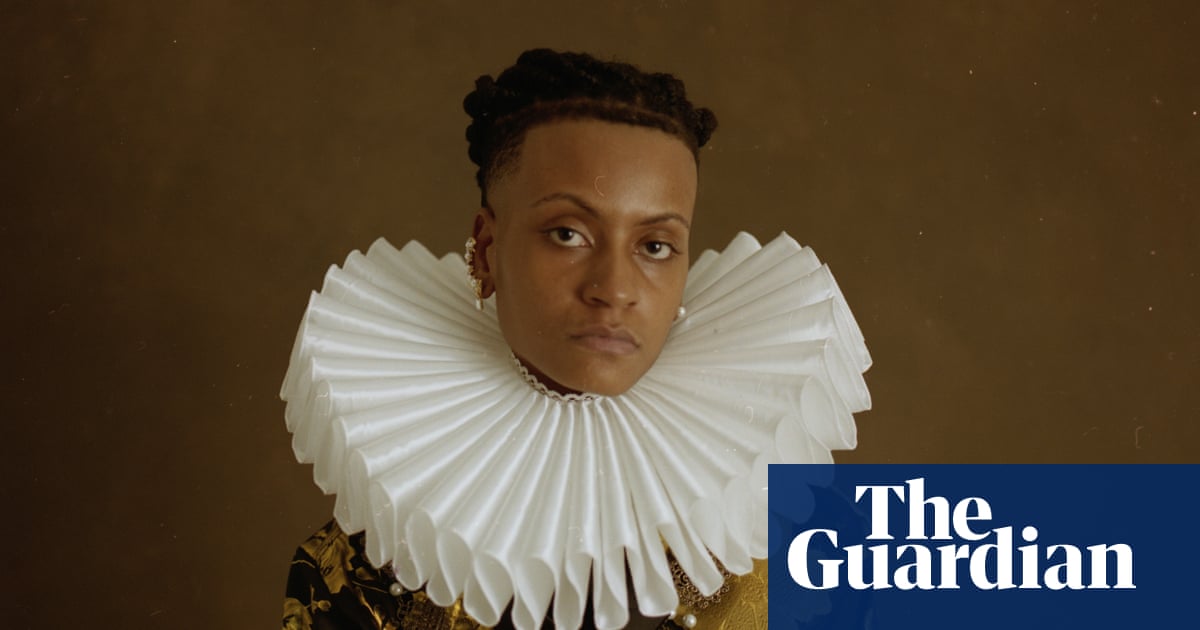
When Maya Angelou delivered a keynote speech in Iowa in 1985, she famously declared that William Shakespeare was a Black woman. While not meant literally, Angelou used the sentiment to express a profound lifelong kinship with the playwright, finding personal solace and deep emotional resonance in his poetry as she navigated the realities of the Black feminine experience. This deep connection between Black women and the iconic playwright is the focus of a new exhibition at the Folger Shakespeare Library in Washington DC.
Titled To Hear Her Speak: Black Women and Shakespeare and curated by Dr Patricia Akhimie, the exhibition brings together over four centuries of artistic and intellectual engagement. The showcase highlights how Black women writers and performers have continually claimed, reinterpreted, and drawn inspiration from Shakespeare's works. Akhimie describes the collection as both a performance history and a vibrant intellectual history detailing how Black artists have utilized the Bard to create groundbreaking new work.
The exhibition is the result of more than two years of research and utilizes nearly 100 items from the world's largest Shakespeare collection at the Folger, alongside external sources. Visitors encounter a multi-sensory experience featuring photographs, historical playbills, rare books, diaries, illustrations, and period costumes. Video displays capture notable Black actresses performing Shakespearean roles throughout history, while interactive elements allow audiences to actively engage with the material.
Among the physical installations is a detailed replica of playwright Lorraine Hansberry's living room, modeled after a 1959 magazine feature. Guests can sit on the couch to watch archival footage of Hansberry and other prominent Black women discussing Shakespeare, or browse a curated library shelf serving as a mini-archive of related literature. The exhibition also incorporates writing activities, an atmospheric soundtrack featuring legendary artists such as Aretha Franklin and Billie Holiday, and an audioguide narrated by actor Adjoa Andoh.
Akhimie noted that the project aims to challenge the longstanding myth that Renaissance London was a homogenous space, emphasizing recent research that proves diverse populations were present during Shakespeare's lifetime. However, the curatorial team also confronted significant historical gaps, noting that records of Black women interacting with Shakespeare largely vanish during the 18th and 19th centuries, coinciding with the height of the transatlantic slave trade and the systematic obscuring of Black humanity.
To bridge these silences, the research team curated materials connecting Shakespeare to the era of slavery, including a First Folio owned by a slave-holding British family alongside documentation of the enslaved individuals who labored on their sugar plantations. Through these carefully chosen artifacts, the exhibition successfully bridges centuries of hidden history to celebrate the enduring and complex relationship between Black culture and the works of Shakespeare.