


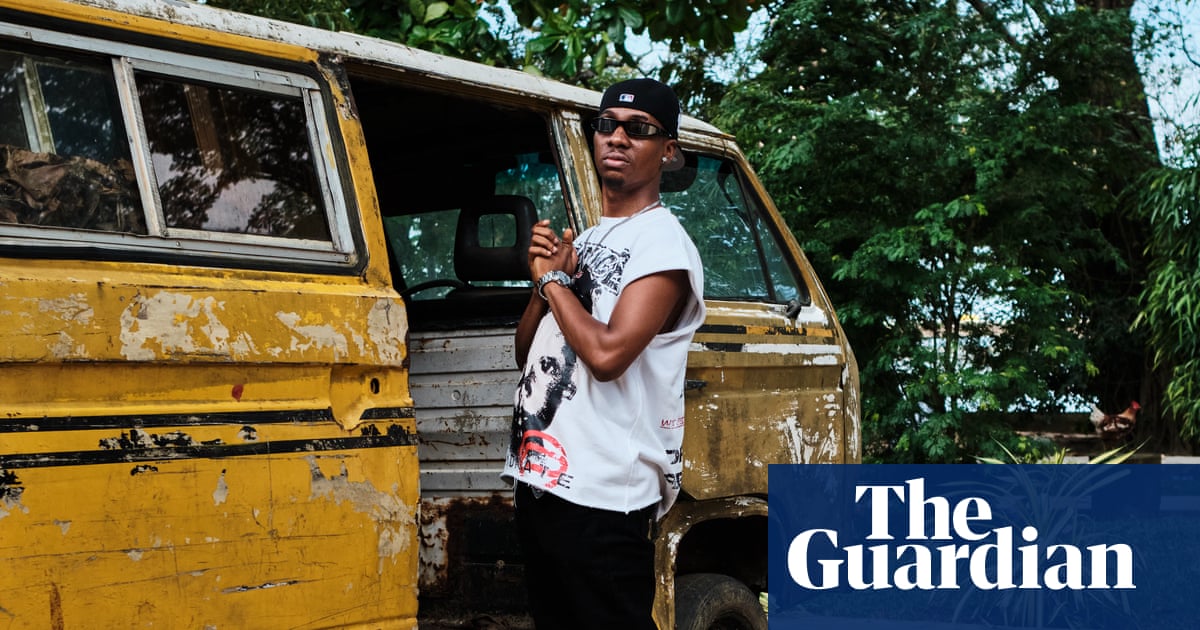
The vibrant style of emceeing defined by high-octane, ad-libbed vocals and infectious crowd interaction has flourished across West and Central Africa, driven by performers known as hypemen and hypewomen. Artists in this burgeoning sub-genre, sometimes called Afrohype or lamba, do not typically sing or rap entirely. Instead, they deliver lively vocal bursts and onomatopoeic sounds over popular instrumentals and fresh beats, prompting nightclub patrons to dance and engage in the regional custom of spraying money.
The phenomenon has deep historical roots stretching back centuries. It connects to ancient West African oral historians known as griots, traditional praise-singing, and the atalaku tradition that emerged in 1980s Kinshasa. These foundational styles were further shaped by Congolese rumba greats, Ivorian coupé-décalé culture, and the art of showing off wealth through cash displays at parties.
While the profession remains largely male-dominated, a handful of women have left their mark, including the Bikutsi artist Lady Ponce, known for her intense energy, along with Lagos figures such as radio presenter Melody Adigo and the late Deborah Francis. Practitioners possess a distinct gift for microphone control, using the spaces between lyrics for engaging commentary, rhythmic prompts, and humorous quips that draw crowds into the music.
As mainstream music acts became more expensive to book following the COVID-19 pandemic, event promoters increasingly turned to hypemen, who are now regular fixtures at wedding after-parties, raves, and corporate functions. Successful performers can command substantial fees for brief sets, and some have expanded their influence by launching masterclasses and training academies for aspiring talent.
Despite criticism from some observers who view the heightened noise levels as a nuisance or worry about the lifestyle messaging, proponents argue that hype artists fill a vital role. In environments where attendees might otherwise remain reserved, these performers utilize their vibrant energy to dismantle inhibitions and encourage crowds to let loose on the dance floor.