


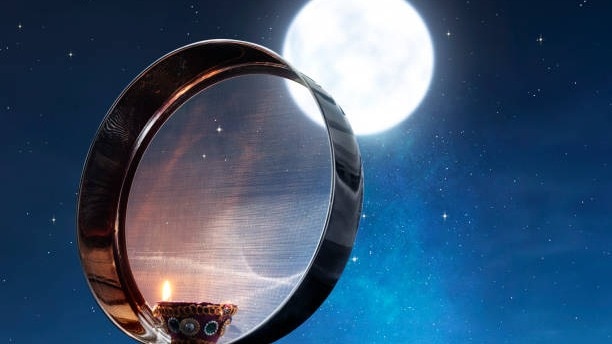
After hours without food or water, breaking your Karwa Chauth fast requires some care. From rehydration to choosing a balanced dinner, here are simple ways to resume eating without putting unnecessary stress on your body.Break the Karwa Chauth fast safelyNew Delhi,Oct 28, 2026 12:17 ISTKarwa Chauth is observed by many married Hindu women across India, who fast from sunrise until the moon is sighted in the evening.
For many, the traditional fast involves abstaining from both food and water, making it a long and demanding day for the body. While the festival holds cultural and emotional significance, going without food and fluids for several hours can also affect hydration, energy levels and blood glucose, particularly in people with existing health conditions.After completing the rituals and sighting the moon, it can be tempting to reach for sweets, fried snacks and a large festive meal.
However, after a prolonged period without food or water, it is worth paying attention to how you resume eating. Starting with water, eating moderate portions and choosing a balanced meal can help you return to your usual eating routine more comfortably.There is no single food that everyone must eat to break a Karwa Chauth fast.
Individual needs depend on health conditions, medication, food preferences and how the person feels after fasting. Here are some practical tips to keep in mind when breaking the fast.1.
START BY REHYDRATING YOUR BODYIf you have gone without water throughout the day, begin by drinking water slowly. Avoid gulping down a large quantity at once, particularly if you feel nauseated or uncomfortable.
Give yourself time to drink and assess how you feel before moving on to your meal. You can also have other fluids that suit your dietary needs, but plain water is generally sufficient for routine rehydration.
Coconut water is an option, although it is not essential for everyone and may not be suitable in unrestricted quantities for people with certain kidney conditions.Remember that dehydration can cause symptoms such as thirst, headache, dizziness and reduced urination. Severe weakness, fainting or confusion should not be dismissed as ordinary effects of fasting.2.
AVOID EATING A LARGE MEAL IMMEDIATELY After a day without food, hunger can make it difficult to judge portion sizes. However, eating a very large meal immediately may leave some people feeling excessively full or uncomfortable.Instead, start with a modest portion and eat slowly.
If you feel comfortable and are still hungry, continue with your meal rather than forcing yourself to finish a large plate at once.There is no established requirement to wait a fixed number of minutes between drinking water and eating. Pay attention to your appetite and comfort instead of following unnecessary food rules.3.
CHOOSE A BALANCED, HOME-COOKED DINNEROnce you have rehydrated, choose a meal that provides a mix of carbohydrates, protein, fibre and other essential nutrients. You do not need special foods or expensive ingredients to break your fast.Options include moong dal khichdi with curd, roti with dal and cooked vegetables, or vegetable dalia served with a protein-rich accompaniment.
These meals can provide a combination of nutrients without requiring an elaborate preparation.You can also include paneer, curd or other protein sources that fit your usual diet. The aim is to return to balanced eating rather than relying entirely on sweets or snacks to satisfy your hunger.4.
LIMIT EXCESSIVE FRIED FOOD AND SWEETSTraditional festive foods can be part of the celebration, but try not to make fried snacks and sweets the main part of your first meal. Rich, oily foods may trigger acidity, reflux or indigestion in some people, especially when eaten in large quantities.You do not have to avoid every festive treat.
A small portion of your preferred sweet, followed by a balanced meal, can help you enjoy the occasion without overeating.People with diabetes should be particularly careful about consuming sugary foods after fasting because their blood glucose levels may already be affected by the prolonged gap in eating.5. KNOW WHEN FASTING MAY NOT BE SAFEPeople with diabetes, kidney or heart conditions, low blood pressure, or those taking medicines that require food or regular fluids should seek individual medical advice before undertaking a prolonged fast.
Pregnant and breastfeeding women should also discuss fasting with their healthcare professional.For people with diabetes, going without food and water can increase the risk of blood glucose fluctuations and dehydration. Medication timing and dosage should never be changed without medical guidance.If you experience fainting, confusion, severe weakness or persistent vomiting, seek medical help.
Do not ignore concerning symptoms to complete a religious fast.Breaking your Karwa Chauth fast does not require a complicated diet or a strict food schedule. Start with water, eat at a comfortable pace and choose a balanced meal that suits your needs.
Most importantly, listen to your body and remember that health and safety should take priority over completing a fast.- Ends