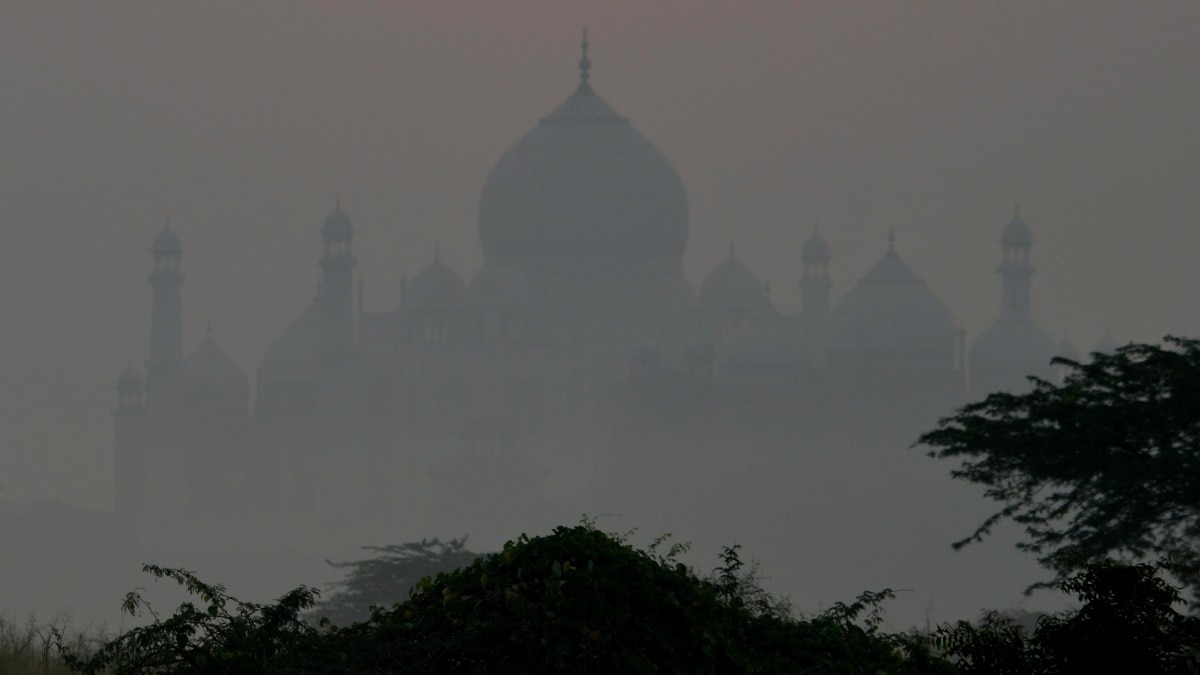
A total of 24 Indian cities recorded air quality index readings above 300 on Wednesday morning, with all of them securing spots among the 25 most polluted cities globally according to tracking data from AQI.in. The alarming figures highlight the escalating pollution crisis across northern India as the region transitions deeper into its annual winter smog season. Agra in Uttar Pradesh claimed the top position on the global pollution list with an AQI of 363, followed closely by Sri Ganganagar in Rajasthan with 362 and Firozabad in Uttar Pradesh with 360. The Indian capital of Delhi registered an AQI of 338 to place 12th in the global ranking, illustrating a widespread air quality crisis impacting the National Capital Region and surrounding states. Other heavily affected localities included Gurgaon in Haryana, which logged an AQI of 357. The sole location outside of India appearing in the top 25 global ranking was Sampit in Indonesia, which registered an AQI of 360. Every single entry in the top 25 surpassed the 300 threshold, with the lowest reading belonging to Begusarai in Bihar at 308. On the official Central Pollution Control Board scale in India, air quality index readings spanning from 301 to 400 are classified within the very poor category, whereas values ranging from 401 to 500 fall under severe. Regulatory authorities warn that prolonged exposure to pollution levels in this bracket can trigger respiratory illnesses, presenting heightened risks for individuals suffering from preexisting heart or lung ailments. The sharp degradation in air quality follows the conclusion of the monsoon season alongside the gradual descent of winter weather patterns. During warmer months, monsoon rains typically help scrub pollutants from the atmosphere, while strong winds assist in dispersing particulate matter. As rainfall diminishes and wind speeds drop during colder months, harmful emissions generated by vehicular traffic, industrial operations, construction dust, and garbage burning become trapped closer to the surface. Furthermore, declining temperatures create atmospheric conditions that obstruct the natural dispersion of pollutants. This seasonal accumulation is frequently compounded by agricultural residue burning across northern areas, amplifying overall pollution levels. While precipitation and high winds can offer brief reprieves, experts emphasize that mitigating ongoing winter air degradation requires sustained emissions reductions at the source.
24 Indian Cities Dominate Global Pollution Rankings With AQI Levels Exceeding 300
Agra claimed the top spot in global pollution rankings as 24 Indian cities recorded air quality index readings above 300 amid the onset of winter smog.