


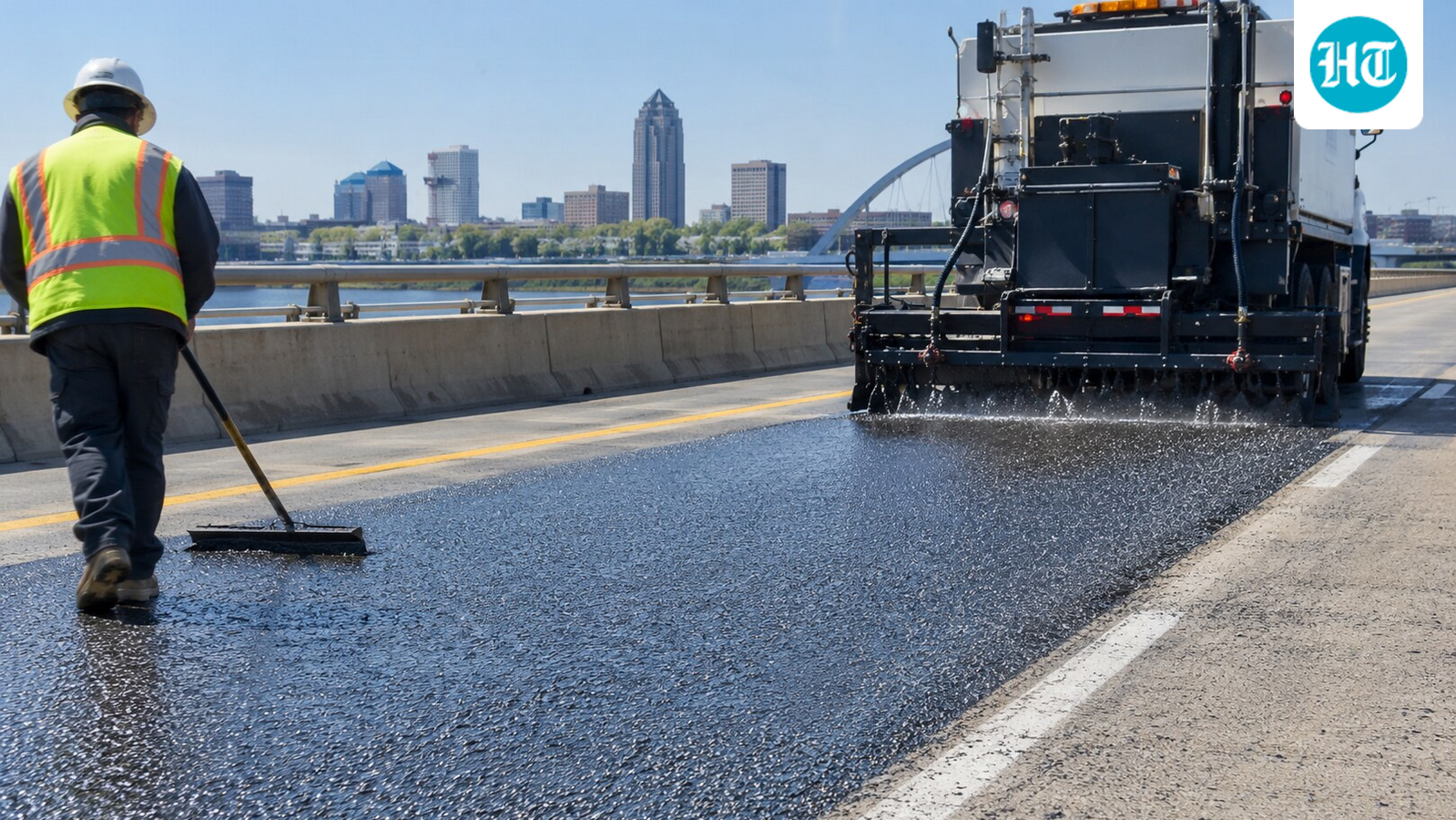
A busy bridge complex spanning the Cedar River in Cedar Rapids, Iowa, emerged as a significant safety hazard for motorists, particularly during wet or icy conditions when road traction deteriorated. In the four-year span leading up to 2012, the location recorded more than 54 vehicle crashes, prompting transportation authorities to seek an effective remedy that would not require shutting down a vital urban interstate route.
The site in question is a six-lane highway section of Interstate 380 carrying approximately 85,000 vehicles daily, including about 7,800 heavy trucks. The complex features multiple bridge structures and a dam, with challenging geometries involving high traffic speeds, tight curves, and frequent lane changes along the approach ramps.
Between spring 2008 and spring 2012, the location accumulated 54 accidents, which included 28 injury incidents and eight involving semi-trailers. A particularly severe crash involved a heavy truck plunging over the bridge railing and catching fire underneath. Safety audits revealed that the existing pavement yielded low skid resistance numbers in the 30s and 40s, a critical factor since adequate road friction is necessary for tires to maintain grip during braking and steering maneuvers.
To address the problem, the Iowa Department of Transportation collaborated with the Federal Highway Administration to apply a high-friction surface treatment in June 2012. Unlike traditional resurfacing, this intervention uses a strong polymer binder to bond durable aggregates to the existing pavement, boosting surface grip in areas where weather, speed, and design combine to reduce traction. State officials initially tested the material on university grounds to evaluate its durability under heavy truck traffic before moving forward with the interstate project.
The pavement's friction characteristics improved immediately following the application. Skid measurements surged from the 30s and 40s into the 90s and low 100s, maintaining high performance levels even months later. Subsequent readings taken more than a year post-installation consistently registered between the 80s and low 100s.
The most prominent outcome appeared in local accident statistics. In the year following the treatment, only four crashes were reported at the location, with just one resulting in an injury. Local law enforcement noted fewer and less severe incidents, while maintenance personnel later recommended expanding the application to other troubled roadways.
The project spanned 1.8 lane miles across the northbound and southbound structures at a total cost of roughly $494,000. Federal transportation officials estimated an expected lifespan of eight to 10 years for the treatment alongside a favorable benefit-cost ratio, demonstrating how targeted pavement upgrades can enhance roadway safety without requiring major structural rebuilds or highway realignment.