


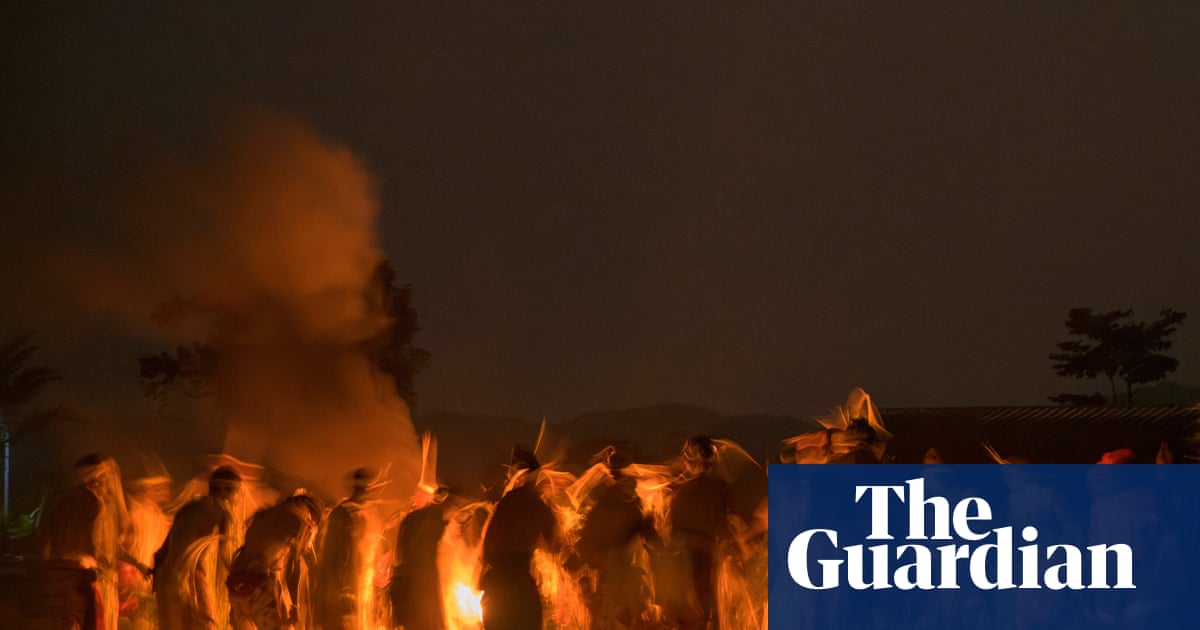
Inside a dimly lit temple on the outskirts of Libreville, participants gather to consume a bitter root bark known as iboga during overnight ceremonies. Tabernanthe iboga is a slow-growing central African rainforest shrub deeply rooted in several Gabonese ritual traditions. While local cultivation and wild gathering have sustained these cultural practices for generations, a massive wave of foreign demand is now fast approaching from abroad.
A US executive order and growing interest from pharmaceutical companies have thrust ibogaine—a psychoactive drug derived from the plant—into the global spotlight due to its perceived potential in treating addiction and mental illnesses. Within the Bwiti spiritual tradition, iboga serves multiple ceremonial purposes, such as healing, divination, and easing the grief of relatives following a death. Practitioners emphasize that iboga is merely one element within a broader spiritual framework, rather than a standalone medical product.
International attention has accelerated rapidly following observational studies and political backing in the US. A recent study involving military veterans indicated sharp drops in PTSD, depression, and anxiety scores following ibogaine treatment, though researchers noted the trial was small and uncontrolled. High-profile political figures have championed the compound, and a US executive order directing federal agencies to establish treatment pathways has further fueled commercial expectations. Meanwhile, luxury wellness clinics operating outside the US already charge tens of thousands of dollars for multi-day treatment programs.
Local spiritual leaders point out that traditional healing relies on the entire iboga plant—including flowers, leaves, bark, trunk, and roots—rather than isolated chemical extractions. Although ibogaine can also be synthesized semi-synthetically from related African trees like Voacanga africana, the actual iboga root bark remains heavily sought after for traditional ceremonies and complex botanical extracts.
Even prior to the recent US policy shifts, rising commercial pressures had already begun creating ecological vulnerabilities. While careful harvesting allows bark to be removed without killing the shrub, commercial collectors have increasingly resorted to uprooting entire root systems to maximize immediate yields without replanting. Conservation organizations have stepped in to promote cultivation and sustainable management, but experts note that wild iboga populations remain poorly studied and face documented over-harvesting across multiple regions of Gabon. Local conservationists and traditional healers argue that while foreign markets rush to capitalize on the plant's medical properties, financial support for researching and protecting central Africa's native biodiversity remains virtually nonexistent.