


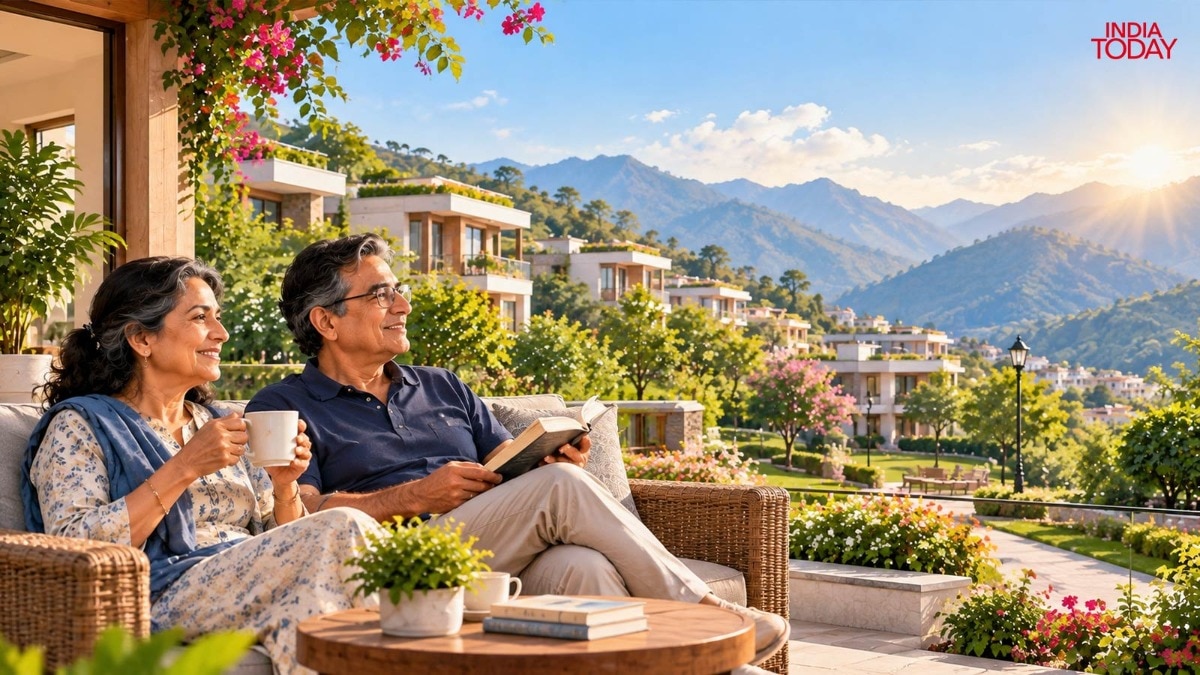
When Rajesh Mehta, 64, retired from a government insurance organization in Delhi-NCR, he and his wife Shweta faced a major decision regarding where to spend the next few decades of their lives. With their daughters settled in the United States, the couple reevaluated their priorities, noting that rising maintenance costs, severe traffic, and heavy pollution made staying in the capital region less appealing. They eventually selected Bhopal for its manageable lifestyle, balanced budget, and decent healthcare options. Similarly, businessman Pratap Sharma left behind years of building a life in Mumbai to relocate to Rishikesh with his wife. Drawn by relatives in the area and the prospect of a quieter environment, their move highlights a broader question facing many aging Indians: whether the city built for a career is the right place for retirement.
For decades, metropolitan areas attracted residents with job prospects and infrastructure, but retirement alters those incentives. Without daily office commutes, drawbacks like expensive housing, congestion, and poor air quality often outweigh the benefits, shifting focus toward family proximity, medical access, and open spaces. While financial savings from lower housing costs can fund leisure and healthcare, retirees must still account for daily expenses, maintenance, and travel to visit relatives elsewhere. The ideal destination ultimately depends on whether it can sustain an individual's evolving needs over time.
This shift in preferences is fueling growth in India's senior-living real estate sector. According to research from proptech firm Square Yards, the country's senior housing market is valued at $4.31 billion and is projected to expand to $11.43 billion by 2031. A recent report titled Expanding Horizons highlights 15 priority cities evaluated on healthcare access, affordability, climate, and connectivity. While established metros like Bengaluru and Pune remain relevant, secondary locations such as Coimbatore, Vadodara, Nashik, Kochi, and Mysuru are gaining traction.
Additionally, spiritual centers like Ayodhya, Varanasi, Haridwar, and Tirupati are emerging as popular destinations for retirement and second homes. Tier-2 locations generally offer lower property costs alongside improving medical facilities, whereas spiritual hubs provide cultural familiarity and integrate religious routines into daily life. Selecting a retirement location, however, requires careful evaluation beyond real estate prices. Access to specialized doctors, hospitals, pharmacies, and reliable transport becomes vital with age, alongside opportunities for social engagement and local support networks.
Consequently, the senior living sector is evolving to merge residential real estate with healthcare, wellness, and hospitality services. Industry leaders note that modern developments must offer more than basic age-friendly apartments; they need to support mobility, preventive care, and independence while assuring families that assistance is readily available. As a new generation of seniors seeks autonomy alongside specialized wellness, the future of senior housing will rely heavily on accessibility, care services, and community connection.