


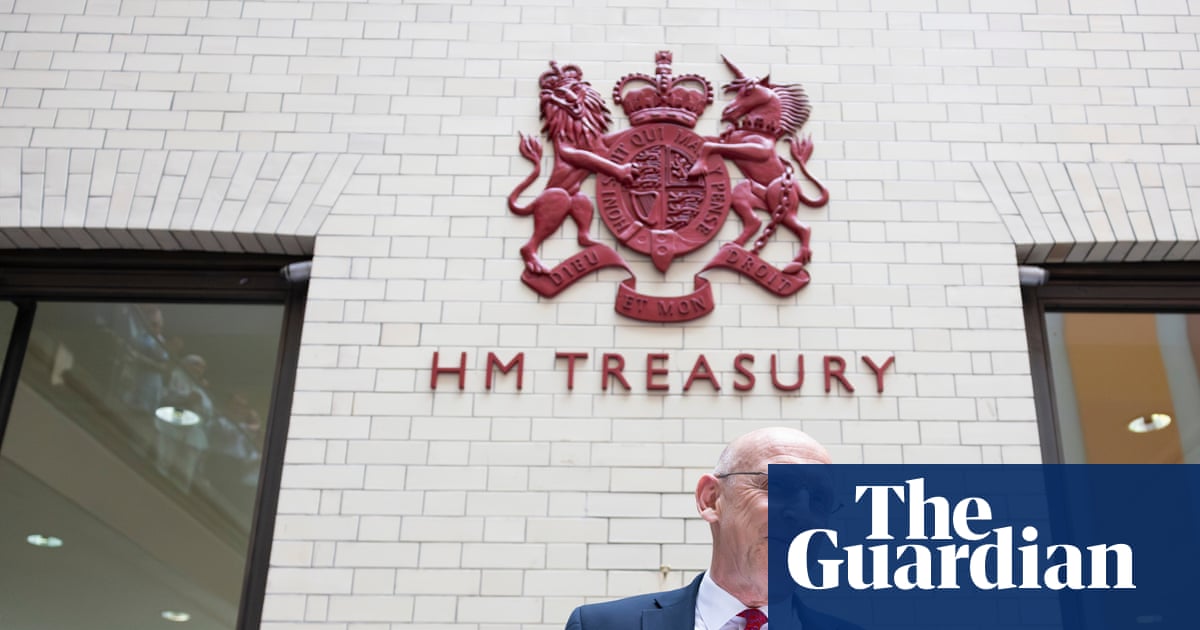
London: The Treasury ran a higher than expected budget deficit of £24.5bn last month as rising inflation pushed up the interest paid on government debt, increasing pressure on John Healey before his first budget next Wednesday. Official figures show the government paid £10.9bn in debt interest, which marks the highest September figure since records began and only the eighth time the monthly total has exceeded £10bn.
Certain government bonds are directly tied to the retail prices index measure of inflation, meaning payouts increase alongside it. The RPI has climbed in recent months as the conflict involving Iran has driven up energy expenses. The Office for National Statistics reported that this dynamic added £4bn to debt interest costs during September alone.
Total government debt is estimated to have reached £3tn for the first time, though as a proportion of the overall economy it declined to 94% from 95% a year prior. The £24.5bn monthly deficit on public finances increased from £17bn in August and exceeded the independent Office for Budget Responsibility forecast by £1.9bn.
For the financial year to date, public sector net borrowing stands at £97.8bn, according to the ONS. While this figure is £4.4bn lower than the previous year, it remains £6bn higher than anticipated by the OBR. The data highlights how geopolitical conflict and inflationary pressures are affecting public finances ahead of the upcoming fiscal statement.
Healey has repeatedly emphasized his commitment to adhering to the fiscal guidelines established by his predecessor as chancellor, Rachel Reeves. Even so, he is widely anticipated to operate with a narrower financial buffer, or headroom, than the £24bn cushion Reeves maintained during her spring forecast.
While elevated inflation generally boosts tax receipts, it simultaneously constrains the purchasing power of government departments operating under fixed departmental budgets.