


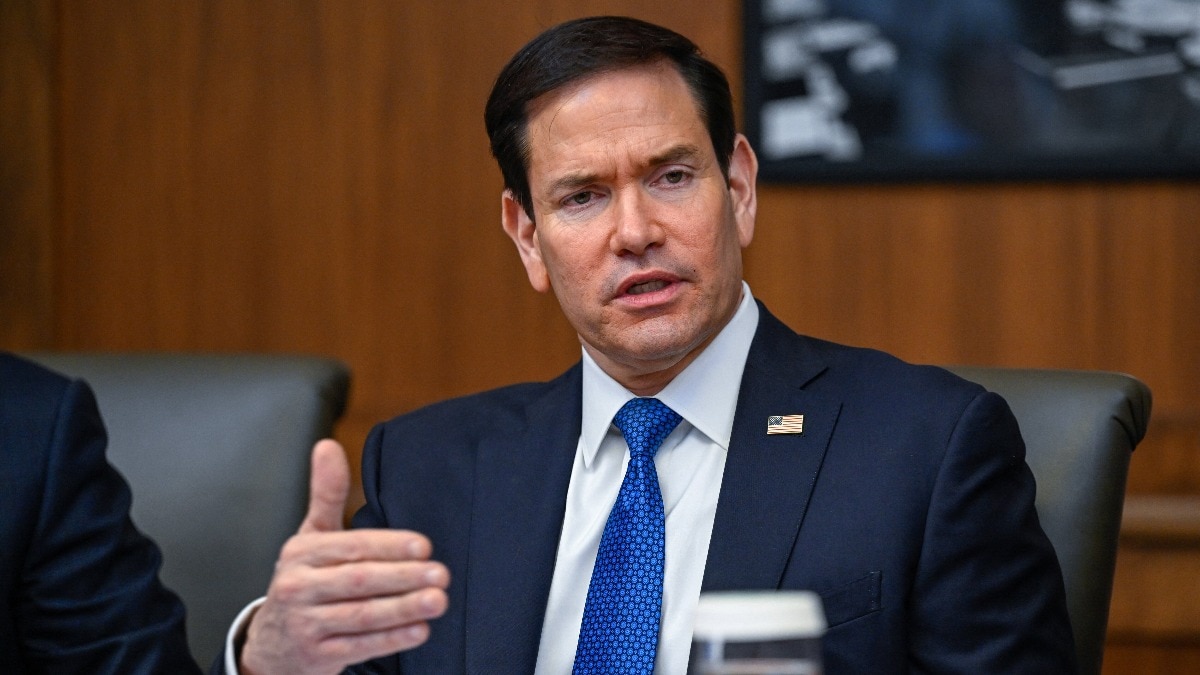
New Delhi, Oct 21, 2026 13:07 ISTUS Secretary of State Marco Rubio on Wednesday declined to comment on protests demanding Chief Election Commissioner Gyanesh Kumar’s resignation, calling them a domestic political matter in a democracy.
When asked about demonstrations by opposition parties and students, as well as criticism from UN experts over the alleged crackdown on protesters, Rubio said Washington would not interfere in India’s internal political affairs, noting that such matters were for the Indian people to decide.
Rubio emphasized that India is a democracy with regular elections, choosing not to opine on its domestic political issues while observing that political disagreements and public expressions of views are a normal part of democratic discourse.
Rubio also took a swipe at UN experts who had criticized India’s handling of the demonstrations, openly questioning the credibility of the designation. During his ongoing visit to India, which marks his second in five months, he remarked critically about the UN's commentary when prompted by reporters.
Drawing a distinction between peaceful expressions of dissent and violent unrest, Rubio noted that public protests are a general feature of democratic societies, clarifying that he was not specifically referencing Indian conditions when making broader comparisons to destructive riots seen in parts of Europe.
To highlight the contrast, Rubio pointed to Cuba, where he argued that opposition voices face severe restrictions, imprisonment, oppression, or exile, preventing any meaningful form of public dissent.
The underlying demonstrations stem from opposition parties and student groups demanding the resignation of the Chief Election Commissioner over the Election Commission’s Special Intensive Revision of electoral rolls, with protesters raising concerns about deleted names and alleged irregularities.
Meanwhile, the Election Commission has defended the voter roll revision process, maintaining that the exercise is designed to remove duplicate entries, deceased individuals, and ineligible voters while offering an appeal mechanism for those impacted.