


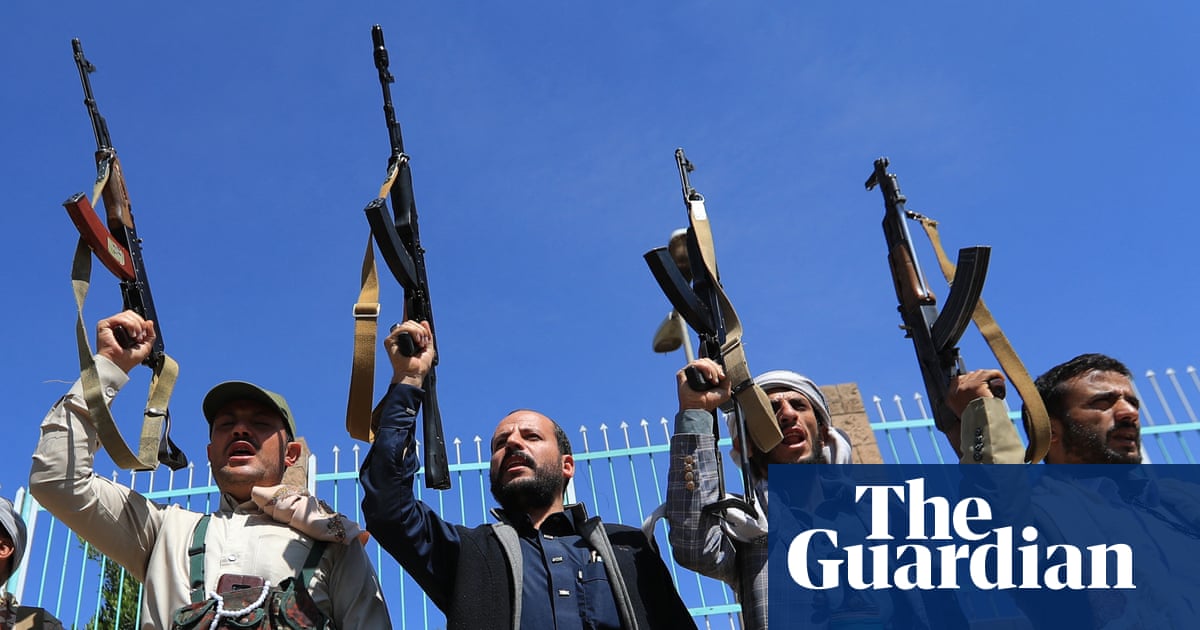
The United Arab Emirates has agreed to re-enter the Yemen conflict by resuming payments to certain government forces fighting Iran-aligned Houthis in the southern region, according to local sources. In return, Saudi Arabia has agreed to provide necessary air cover for the anti-Houthi fighters.
This new cooperative arrangement marks an initial sign that the severe rift between the UAE and Saudi Arabia over the future of Yemen is beginning to heal, driven largely by alarm among regional rulers over recent Houthi advances across the country. Saudi Arabia continues to face frequent drone and missile attacks that disrupt airports and critical energy infrastructure.
Southern forces, particularly the Giant Brigades, were previously funded and trained by the UAE and remain among the most effective units in the fractured anti-Houthi alliance. However, the UAE scaled back operations and cut off financial supplies earlier in the year.
Meanwhile, southern separatists recently demanded a referendum on secession to restore the pre-1990 borders of divided Yemen, though neither Saudi Arabia nor the UAE has formally responded to the request. The separatist Southern Transition Council has yet to authorize its forces to operate beyond the borders of former South Yemen, but an explicit agreement by Riyadh regarding a referendum could alter those restrictions.
Yemen's UN-recognized government recently announced a counteroffensive to push Houthi forces out of Sanaa, though military progress has been limited near Marib and the Bab al-Mandab strait. Regional tensions remain high following recent missile strikes targeting Aden's airport and a presidential palace.
International reactions to the escalating situation continue to develop, with Egypt convening an emergency session to consider defensive measures, while diplomatic discussions persist in the United Kingdom regarding military aid requests. The United Nations has also reported significant displacement, placing severe pressure on humanitarian organizations operating in Aden.