


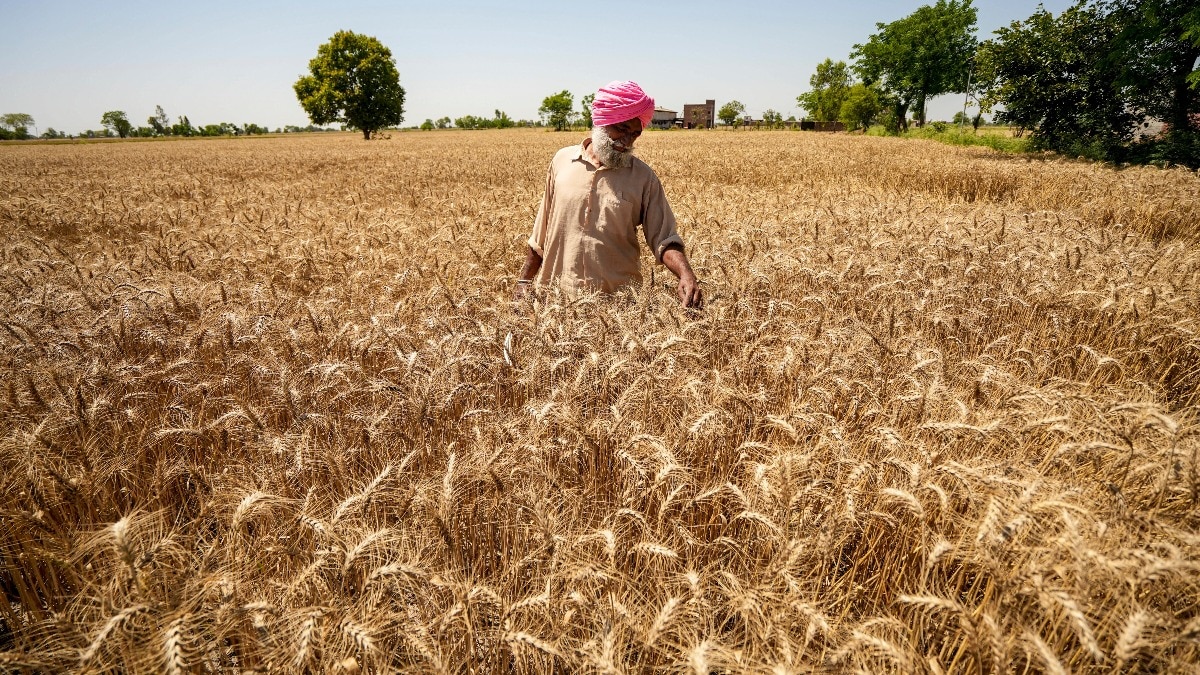
New Delhi: Climate change is threatening an essential ingredient found in kitchens across the globe as rising carbon dioxide emissions begin to alter the protein makeup of wheat. Elevated atmospheric carbon dioxide levels can shift both the types and quantities of proteins present in the grain, raising concerns regarding the quality of baked goods and potential implications for individuals with specific food sensitivities. A recent scientific investigation led by the Leibniz Institute for Food Systems Biology at the Technical University of Munich highlights how changing environmental conditions affect this widely consumed crop.
Atmospheric carbon dioxide concentrations have climbed significantly over recent decades, moving from roughly 340 parts per million in 1980 to approximately 425 parts per million by 2024. Depending on future societal and industrial developments, these levels are projected to reach about 600 parts per million by the year 2050. To examine the consequences of this trend, the research team cultivated 10 distinct varieties of winter wheat under actual field conditions. Certain plants were subjected to elevated carbon dioxide concentrations of 546 parts per million, while control groups grew under normal environmental conditions.
Upon harvesting the grain, the investigators analyzed its protein profiles and discovered that higher carbon dioxide exposure elevated the presence of certain defense proteins designed to protect the plant against pests. Conversely, the treatment diminished the concentrations of gluten and other vital grain proteins. Gluten serves as the critical group of proteins that provides dough with its elasticity and structural cohesion, making it indispensable for the production of bread, roti, chapati, and various other baked products.
The degree of protein alteration was not uniform across all tested crops. Principal investigator Sabrina Geisslitz noted that the extent of these changes relied heavily on the specific wheat cultivar being grown. Furthermore, the data demonstrated a clear link between the diminished concentration of gluten proteins and a noticeable decline in overall baking quality.
Beyond culinary implications, the scientists observed modifications in specific protein fragments associated with coeliac disease, an autoimmune condition where dietary gluten triggers an immune response that harms the small intestine. Katharina Scherf, head of the institute's Food Biopolymer Chemistry research group, emphasized that while the findings point to potential long-term relevance for wheat-related health issues, the current research does not indicate that rising carbon dioxide levels will directly cause an increase in the prevalence of the condition. She added that additional scientific research is necessary to fully understand the actual biological and immunological significance of these protein variations.
In light of these findings, researchers argue that future wheat breeding programs should prioritize grain quality alongside crop yield. Developing resilient wheat varieties capable of maintaining superior baking characteristics under higher carbon dioxide conditions, while potentially managing proteins that certain consumers struggle to tolerate, could provide a vital pathway for agricultural adaptation to a warming planet.