


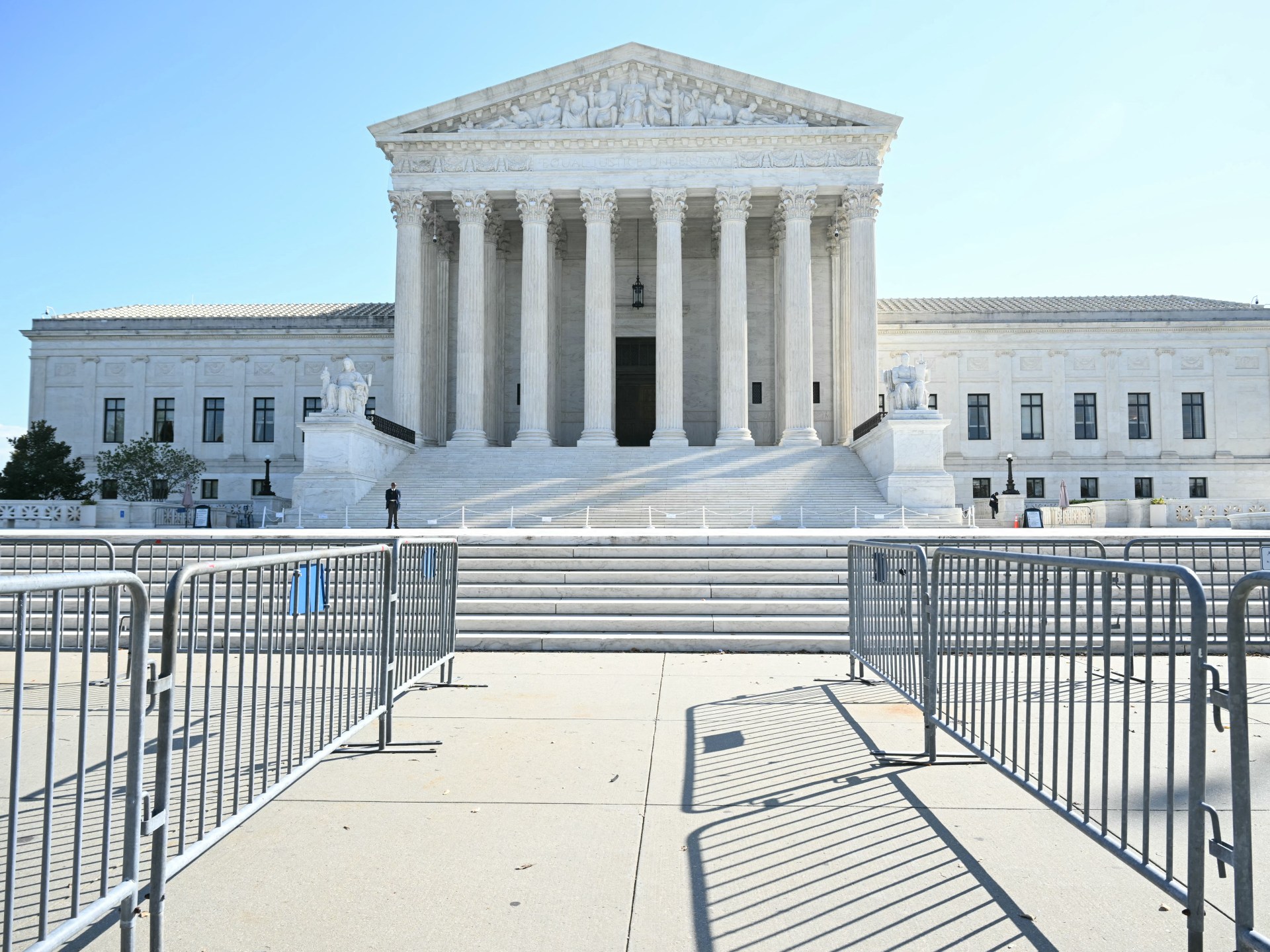
The United States Supreme Court is preparing to consider a legal question with profound implications for civil rights enforcement across the country: who maintains the authority to enforce federal protections. The justices are scheduled to review whether employees at federally funded universities can file lawsuits under Title IX regarding alleged workplace sex discrimination. The administration has urged the court to rule that these employees lack a private right of action, asserting that Congress never intended for them to bring such claims independently.
This legal dispute represents the latest development in a coordinated effort by conservative courts and Republican-led states to limit the ability of individual citizens and advocacy organizations to challenge civil rights violations in court. In a previous decision, the Supreme Court declined to review a lower court ruling that prevented an immigrant advocacy group from suing to enforce voting assistance protections for individuals needing help at the polls. Across multiple jurisdictions, opponents of private litigation are advancing the principle that unless Congress explicitly authorizes private lawsuits, enforcement should be restricted solely to government authorities.
While this may appear to be a technical legal debate, the real-world consequences are substantial. When individuals and civil rights organizations are barred from seeking judicial relief, the authority to decide which laws are enforced shifts entirely to the government, potentially leaving abuses unaddressed if authorities choose to ignore or minimize them. Historically, private litigation has played a vital role in upholding civil rights, allowing individuals to seek compliance or compensation for past violations when state agencies are either unwilling or unable to act.
Legal scholars emphasize that civil rights have long functioned as private rights whose enforcement depends primarily on the initiative of the individuals holding them. Although public enforcement remains essential, critics of private lawsuits, such as business and conservative legal groups, argue that allowing individuals to sue can lead to unnecessary or frivolous litigation. This viewpoint has driven decades of legal challenges aimed at narrowing the scope of private enforcement, beginning with past Supreme Court rulings that limited private suits under certain anti-discrimination statutes.
The push against private enforcement mechanisms has intensified significantly in recent years. Conservative state governments have increasingly targeted the doctrine of implied private rights of action, urging courts to dismiss lawsuits brought to enforce various statutory protections. In previous election law cases, some Supreme Court justices have similarly questioned whether key statutes furnish an implied cause of action, even when the specific issue was not directly raised by the litigants.
Voting rights represent one of the primary areas threatened by the restriction of private litigation. Lower federal court rulings have previously concluded that private individuals and advocacy groups lack the standing to sue under essential sections of the Voting Rights Act. Although the Supreme Court has occasionally vacated lower court judgments in redistricting and vote-dilution cases for reconsideration under newer legal standards, it has repeatedly sidestepped the broader question of private enforcement.
As conservative-led governments continue attempts to block communities and advocacy organizations from bringing civil rights claims before the judiciary, the future of individual accountability under federal law remains uncertain. Legal advocates warn that curtailing private rights of action strips marginalized groups of their most reliable tool for challenging discrimination and holding institutions accountable.