


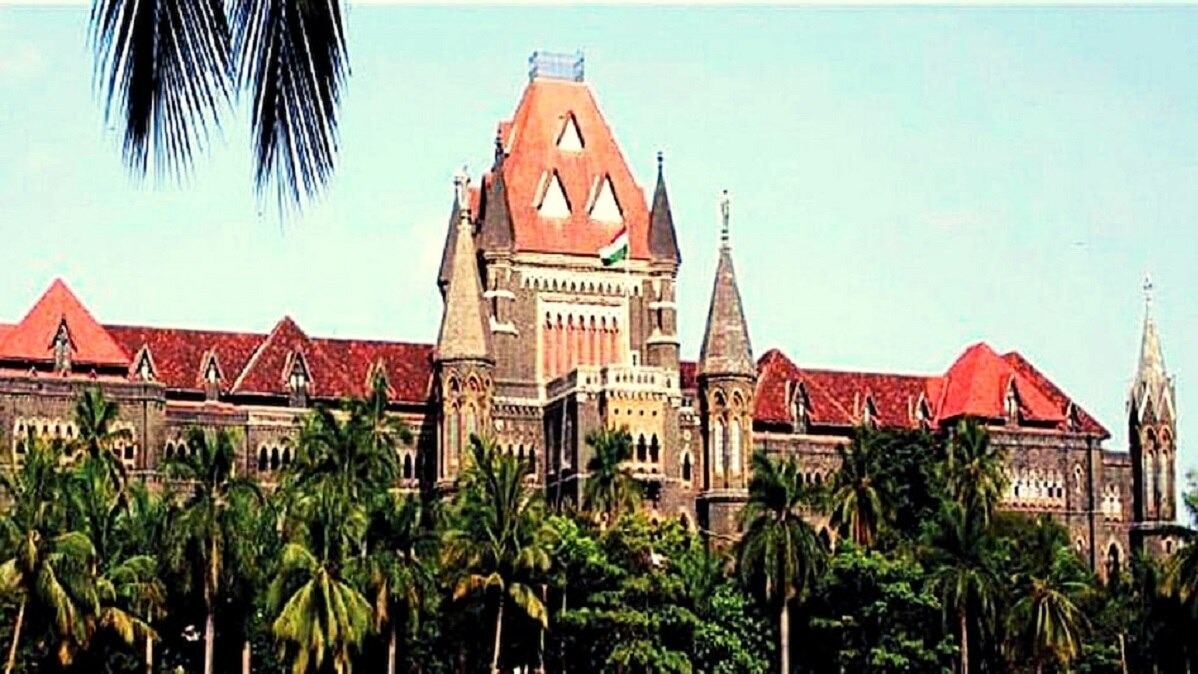
Mumbai — The Bombay High Court has ruled that the construction of public toilets near protected monuments does not constitute prohibited building activity under conservation statutes, emphasizing that historical sites require basic amenities and acknowledging national progress in eradicating open defecation.
A division bench comprising Justices Kishore C Sant and Jitendra Jain at the court’s Aurangabad bench set aside stop-work directives issued by the Maharashtra Archaeological Department in 2018. The notices had targeted a sanitation block planned near the Dargah Hazrat Sayed Shah Raju Khattal Husaini in Khuldabad, located near Chhatrapati Sambhajinagar, formerly known as Aurangabad.
The ruling came in response to a petition filed by the mutawalli, or custodian, of the shrine. The local municipal council backed the challenge, noting that the project had been initiated using state government allocations under the Swachh Bharat Abhiyan alongside recommendations from the 14th Finance Commission aimed at eliminating open defecation.
While situated outside the dargah's immediate boundary, the proposed facility fell within the 100-metre radius regulated by heritage laws. The Maharashtra Archaeological Department issued stop-work notices in late 2018 on the grounds that prior clearance had not been secured under the state's Ancient Monuments and Archaeological Sites and Remains Act.
Conversely, the petitioners cited central heritage legislation pointing out that statutory definitions of prohibited construction near protected monuments typically exempt public conveniences, urinals, drainage systems, and similar utilities. The court underscored the severe challenges confronted by thousands of pilgrims and tourists, particularly during the annual Urs festival, noting that a lack of enclosed sanitation facilities ultimately damages the monument and its surrounding environment rather than preserving it.
Rejecting the state's invocation of a 1982 administrative circular that barred toilet blocks near historical sites, the bench stressed that conservation regulations must be interpreted progressively in light of contemporary hygiene initiatives and federal reports highlighting severe facility shortages at national heritage locations.
Following the invalidation of the stop-work directives, the High Court instructed the assistant director of the Aurangabad Archaeological Department to issue a formal decision within two weeks regarding a clearance application filed by the shrine's management in December 2018, following hearings with both the custodian and municipal representatives. Additionally, the court granted the involved parties the option to select a mutually agreeable alternative location for the facility.