


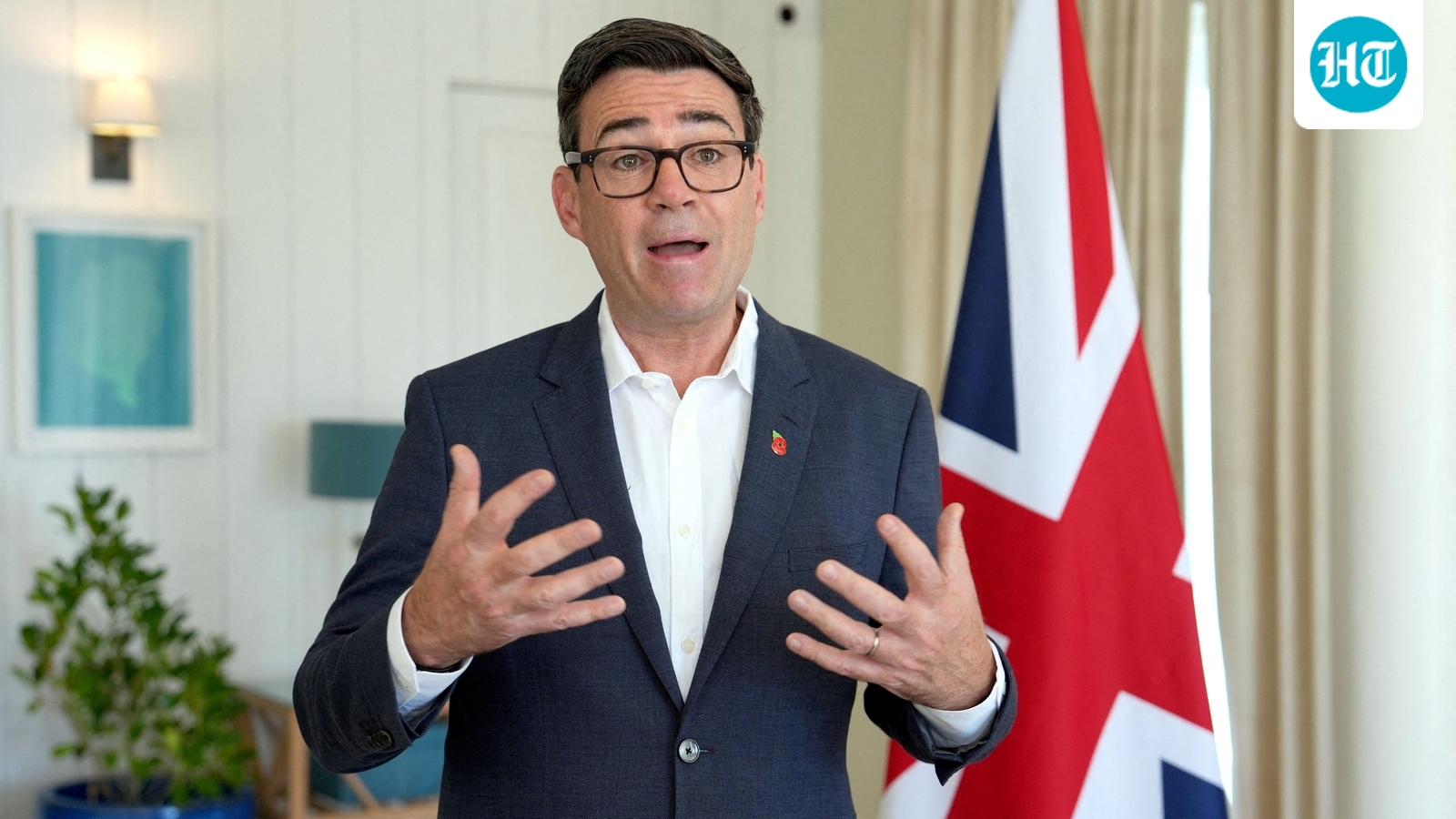
Prime Minister Andy Burnham said any major change in the UK’s relationship with the European Union would take time and would not be implemented until after the next election in Britain. Debates about Britain’s relationship with Europe have consumed an increasing share of Burnham’s time since he took power in July.
Burnham used a foreign policy speech for City of London leaders to set expectations for a summit with EU leaders on Friday in Brussels. While the prime minister said the meeting would usher in official talks about the future of ties to the continent, he indicated that any effort to significantly roll back the UK’s 2016 referendum to leave the bloc would have to wait.
“We will initiate a discussion with our EU partners about options for our long-term relationship, recognizing that both Britain and the EU are very different to what they were,” Burnham told the Lord Mayor’s annual white-tie banquet. “This will take time, and we will present those options and our assessment of them to inform decisions in the next parliament.”
Debates about Britain’s relationship with Europe have consumed an increasing share of Burnham’s time since he took power in July and announced plans at the Labour Party’s annual conference to consider options for closer ties. While Burnham said at the time that those options could include rejoining the EU, he has assumed a more cautious approach as Brexit advocates reinvigorate their anti-Europe campaigns and cabinet ministers privately advocate caution.
On Friday, the UK and the EU are expected to seal deals to allow young people to study abroad, ease emissions trading, and remove barriers to transporting agricultural and food items across borders. Burnham, a longtime supporter of the UK remaining in the EU, said he would advance legislation in Parliament next week to enact the deals.
The speech reflects a Britain continuing to search for its place in the world in the decade since Brexit. Burnham’s predecessor used appearances at the same event to argue that Britain would not be forced to choose between the US and Europe and needed to improve ties with China, despite its rivalry with the West. In his own address, Burnham returned not only to Europe, but the Commonwealth of Nations, as platforms to maintain Britain’s influence on the world stage, repeatedly offering a defense of liberalism.
Burnham signaled continuity on Ukraine, reaffirming support for Kyiv for as long as it takes, and similarly affirmed support for the AI Security Institute. On Brexit, Burnham said the UK had to reconsider whether the exit deal negotiated by the Conservative government was right for this moment, for the economy, and for security.
“If we are going to be serious about growth, then we are going to have to have this conversation,” Burnham said, adding that the hard Brexit previously delivered is not good enough for Britain.