


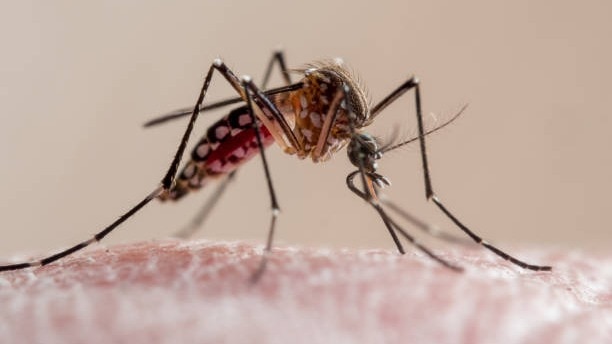
New Delhi: A fresh agreement to decrease the cost of a vital malaria vaccine is expected to help safeguard up to one million additional children, delivering a significant boost to global efforts against a disease that kills hundreds of thousands annually.
Under the pact involving Gavi, the Vaccine Alliance, and UNICEF, the cost of the RTS,S/AS01 malaria vaccine will drop by approximately 40%, bringing it to €5.50 per dose. Implementation is anticipated by early 2027, subject to manufacturing and regulatory approvals, and is projected to save immunization programs about $50 million between 2027 and 2029.
Malaria remains a dangerous illness transmitted by infected mosquitoes, with young children facing the highest risk of severe complications and death. In 2021, the World Health Organization endorsed RTS,S/AS01 as the first widely recommended malaria vaccine for at-risk children. Originally developed by GSK, PATH, and partners, production is transitioning to Bharat Biotech under the brand name Mosqivac to help boost supply alongside the newer R21/Matrix-M vaccine.
Delivered as a four-dose regimen, the RTS,S/AS01 vaccine can lower malaria cases by roughly 75% when administered seasonally in high-transmission zones. Experts emphasize, however, that vaccination does not eliminate the need for other defenses such as insecticide-treated bed nets, vector control, and prompt medical treatment.
Since the rollout started in 2024, demand has outpaced initial forecasts. UNICEF data shows over 74 million doses have been procured and distributed, with routine malaria immunization now active in 25 African nations.
Global health figures underscore the urgency of expansion, noting 282 million malaria cases and 610,000 deaths globally in 2024. Africa bore the heaviest burden, accounting for up to 95% of cases and deaths, with children under five representing about 74% of fatalities in the region.
By cutting vaccine costs, public health agencies hope to stretch immunization budgets to cover one million more children with the full four-dose course or expand access to other essential vaccines. While not a standalone solution, the price reduction marks a meaningful step in broadening protection across the hardest-hit regions.