


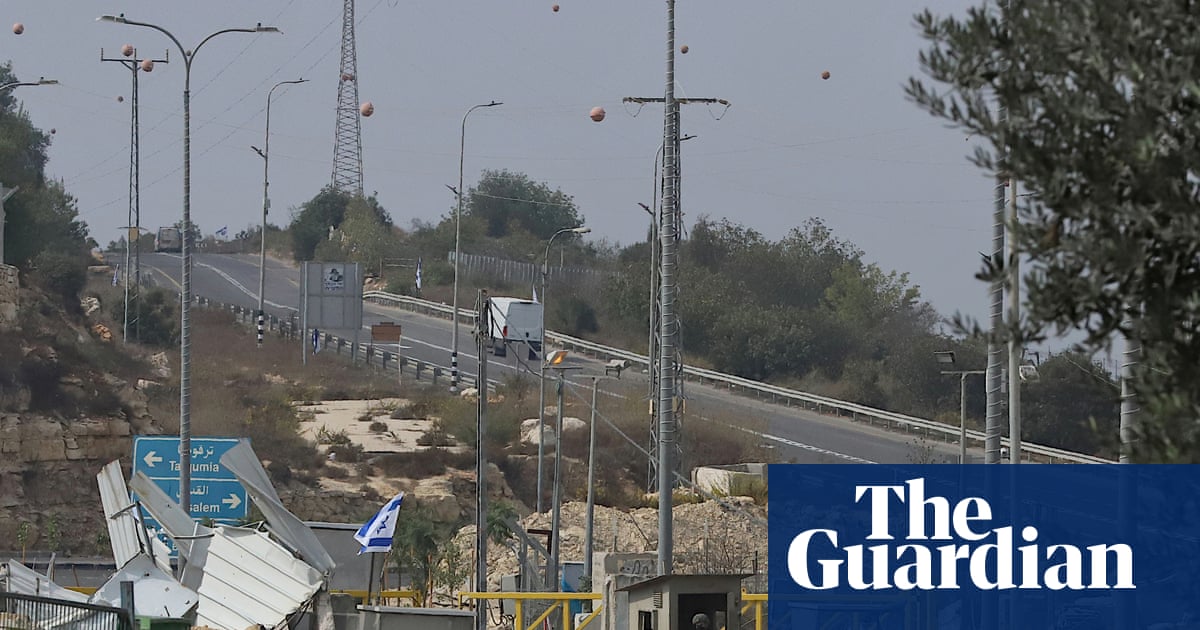
Hebron: Nearly 2,000 Palestinians have been displaced in Hebron after Israeli security forces seized residential properties and launched intensive military sweeps following a fatal shooting at a checkpoint. The operation transformed the largest city in the West Bank into a focal point of political and security tension.
The military actions began after a gun attack on a checkpoint resulted in the deaths of two Israeli soldiers. Prime Minister Benjamin Netanyahu and Finance Minister Bezalel Smotrich visited the scene shortly afterward, vowing severe retribution and warning of extensive military operations in the territory. Within hours, the city of 250,000 residents was sealed off, and an industrial district near the attack site was cleared.
Simultaneously, the Ein Deir Baha neighborhood was systematically emptied after being linked by authorities to the alleged attackers, who were killed at the scene. Residents reported being ordered out of their homes late at night through loudspeakers or direct warnings from military personnel, with some given only minutes to evacuate under threat of forced removal.
Local families disputed claims by the Israeli military that residents left voluntarily. Several homeowners stated they were compelled to abandon their properties under direct military pressure, only to watch their houses converted into operational bases adorned with military vehicles and flags. The Hebron municipality reported that 370 families, totaling roughly 2,000 individuals, were displaced during the operation.
Community members also rejected military assertions regarding the local population's affiliations, describing the accusations as unfounded. Meanwhile, municipal leaders and residents condemned the measures as an act of collective punishment designed for political impact amid an unfolding electoral cycle.
Access in and out of Hebron remained heavily restricted with steel barriers blocking vehicular traffic, while pedestrians navigated checkpoints under heightened security. Local officials warned that the widespread closures and displacement were severely compounding hardships for the civilian population.