


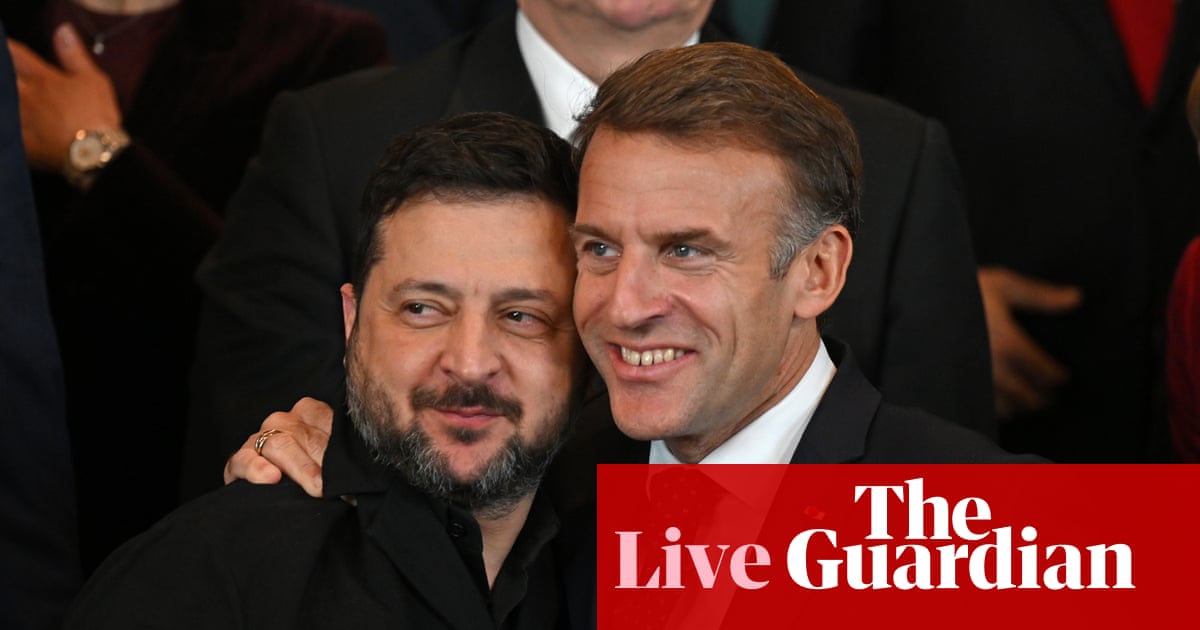
Dublin: European leaders continued their meetings in Dublin on Friday to address diplomatic and financial backing for Ukraine, while actively searching for a lead European Union negotiator to represent them in prospective peace talks with Russia. The high-level talks follow recent developments in which Ukraine and Russia agreed to broaden the next round of negotiations to involve European countries.
The diplomatic urgency increased after US envoy Jared Kushner stated following a meeting with Ukrainian President Volodymyr Zelenskyy that the expanded talks would enable participants to address wider postwar European security arrangements alongside territorial disputes. However, Kushner also pointedly remarked that identifying a single representative to speak on behalf of Europe would be a significant undertaking.
During Thursday sessions, European leaders dismissed suggestions that a new security architecture must be created, emphasizing instead that Russia must halt its attacks against Ukraine. European Council President António Costa maintained that Europe previously possessed a functioning security framework that was dismantled by the Russian invasion, asserting that there is no requirement to reinvent existing structures.
UK Prime Minister Andy Burnham echoed these sentiments, stressing that European security arrangements are not open for negotiation by external parties and that Europe alone will determine its own continental security framework. Approximately forty nations participating in the European Political Community summit formally endorsed a French-drafted declaration affirming that European states carry the primary responsibility for continental security.
Friday's agenda in Dublin also includes discussions regarding artificial intelligence, alongside ongoing evaluations of Europe's involvement in international peace negotiations and future financial assistance for Ukraine.