


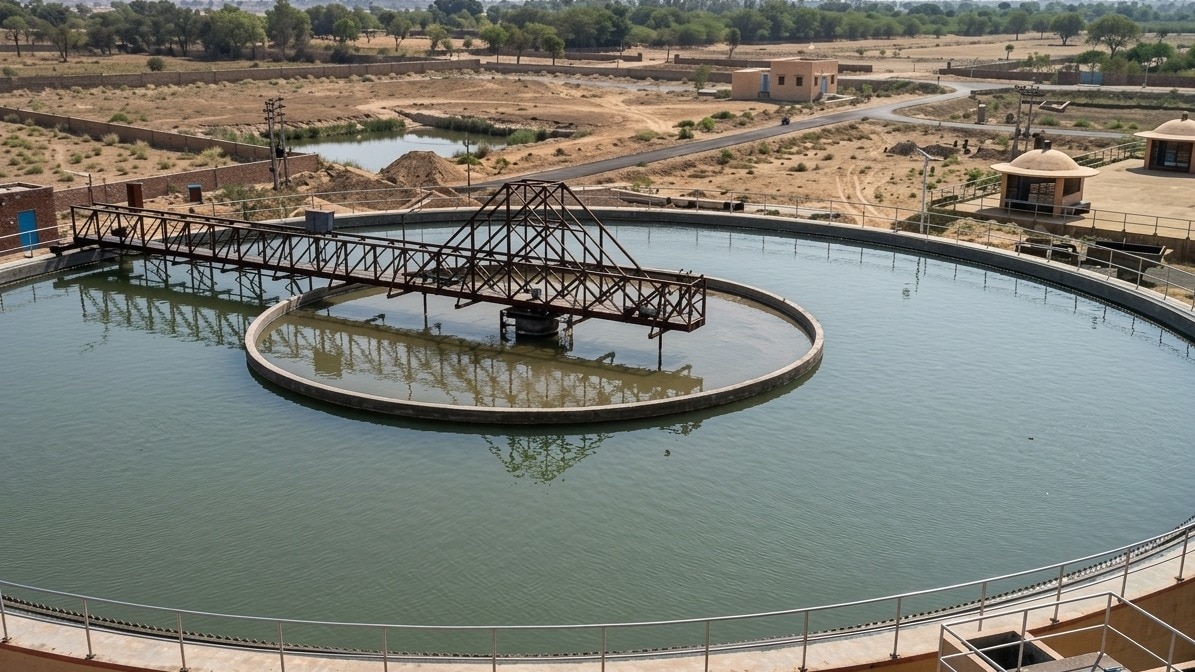
Bhubaneswar: The Odisha government has approved five in-stream storage structure projects worth Rs 625.47 crore aimed at improving regional water security and helping communities cope with climate-related challenges.
The initiatives, distributed across the Rayagada, Kalahandi, Ganjam, Balangir, and Sonepur districts, are projected to enhance water availability for approximately 72,000 people living across 74 villages while recharging groundwater and bolstering rural livelihoods.
The approved developments include the Dhuanpadar structure on the Vansadhara river and the Revatiguda structure on the Nagavali river within Rayagada district. Other cleared initiatives consist of the Bhimpur structure on the Bahuda river in Ganjam district, the Muralijore structure near Nijharidara village in the Bhawanipatna block of Kalahandi district, and the Kutasingha barrage across the Ong river—a major tributary of the Mahanadi—which serves communities in both Balangir and Sonepur districts.
A senior water resources department official noted that these installations will help retain monsoon water directly within river channels, guaranteeing increased water access during the dry season. The stored reserves will further assist with groundwater replenishment, elevate the reliability of local wells and borewells, and build climate resilience for water-stressed populations.
Beyond satisfying domestic requirements, the infrastructure will provide crucial backing for irrigation, livestock management, and various other rural economic activities. Specific developments such as the Dhuanpadar, Muralijore, and Revatiguda projects are anticipated to expand opportunities within the fisheries sector, ultimately contributing to higher rural incomes.
These additions form part of the state administration's expanded in-stream storage structure program launched in 2024, which prioritizes water conservation, sustainable resource administration, and adaptation to environmental shifts. Ultimately, the five projects seek to preserve seasonal rainfall, secure supplies during dry months, sustain river ecosystems, and secure long-term water availability for communities across the designated districts.