


Former New Zealand prime minister Jacinda Ardern delivered a stark warning to Australian politicians from the stage of the Sydney Opera House, arguing that elected leaders are actively exacerbating societal polarization rather than healing it. Speaking during a forum alongside author Anna Funder, Ardern emphasized that leaders have a duty to avoid binary thinking and the language of violence, focusing instead on restoring trust by establishing financial security amid a climate of deep public uncertainty.
Ardern explained that widespread public anxiety has grown over recent decades due to the impacts of globalization, leaving citizens feeling increasingly vulnerable. According to the former leader, political figures have frequently exploited this insecurity by offering simplistic targets for blame, pointing to developments like Brexit and the subsequent rise of leaders such as Donald Trump as symptoms of a broader political failure to address core economic anxieties.
The event, which explored whether society can disagree without fracturing, highlighted how contemporary public discourse has devolved into rigid moral certainty. Ardern noted that when individuals view their own opinions as absolute moral truths, meaningful debate becomes nearly impossible, hindering the collaborative problem-solving necessary for a healthy democracy.
Reflecting on the role of digital platforms, Ardern addressed how social media has penalized the evolution of thought. She explained that because online spaces permanently archive past statements, it has become much harder for citizens to engage in healthy debate and change their perspectives when confronted with new evidence. Having entered parliament in 2008 as a young MP who eagerly embraced digital communication, Ardern admitted she was initially naive to the potential for information manipulation.
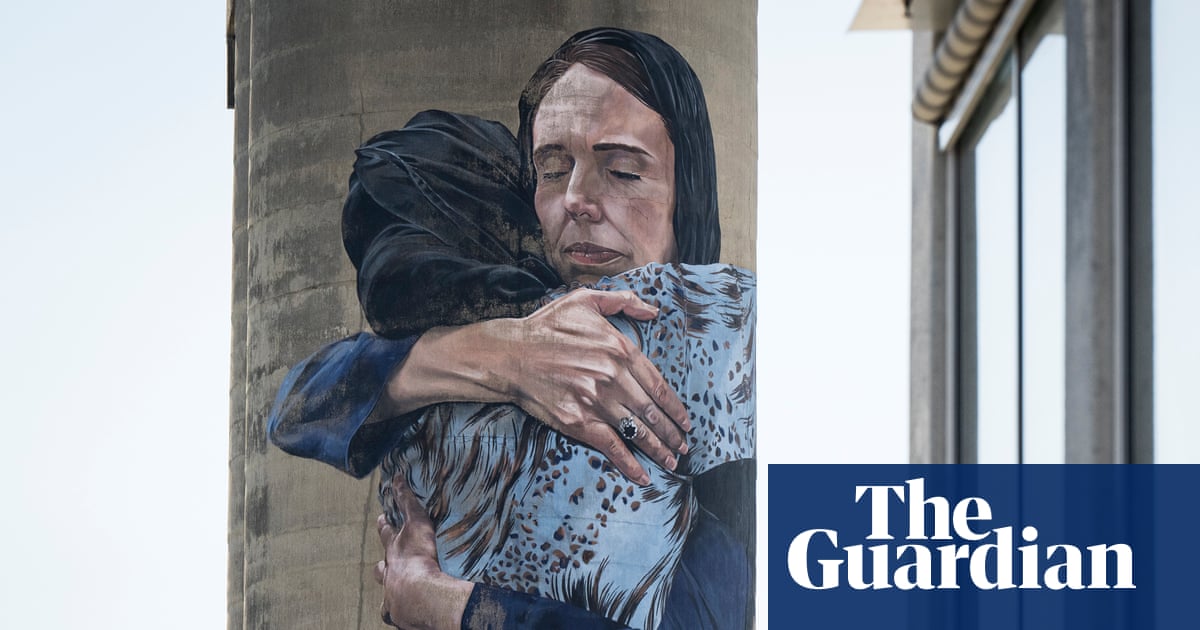
Her perspective on the digital landscape shifted drastically following the March 15, 2019, Christchurch mosque shootings. She noted that witnessing a domestic terrorist radicalized on YouTube and broadcasting the attack via Facebook made her fully understand the weaponization of online platforms.
Concluding her remarks, Ardern argued that the current crisis of trust is fundamentally a crisis of leadership. She asserted that reintroducing empathy into politics—bringing back essential qualities like humility and genuine curiosity—offers a vital path forward to bridge deep societal divides.