


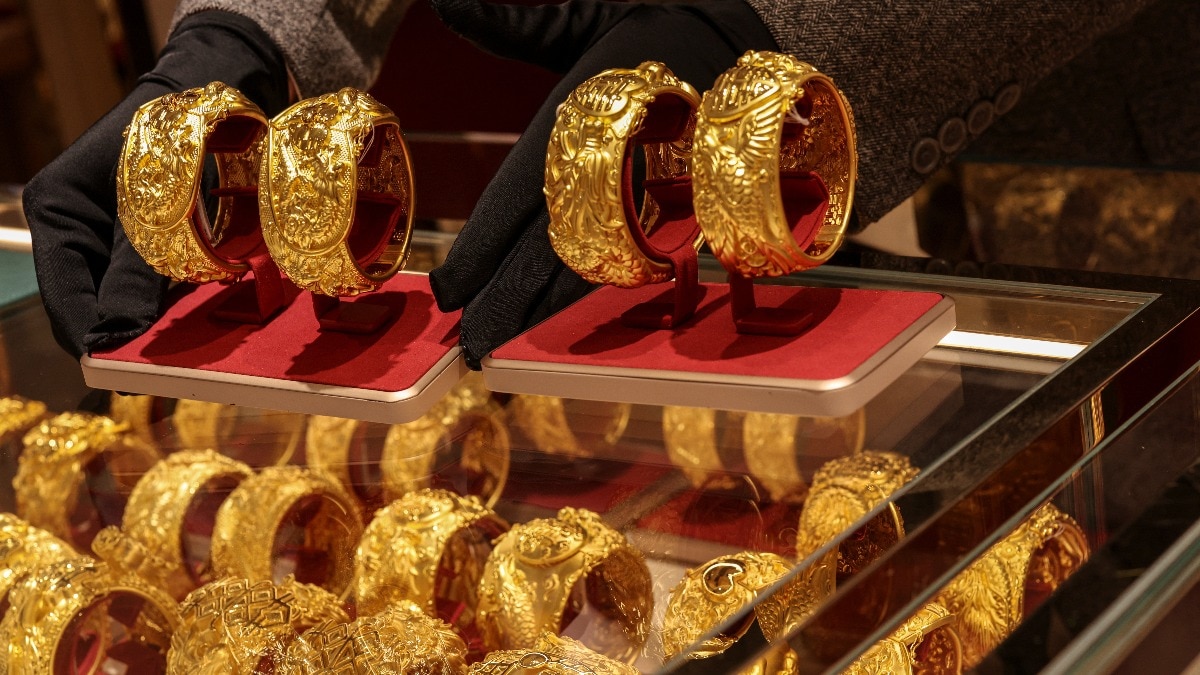
Gold prices have been holding near Rs 1.43 lakh per 10 grams, offering some relief to buyers preparing for Karwa Chauth, Diwali, and the upcoming wedding season. With the festive rush picking up, many households are wondering whether to buy gold now or wait for prices to fall further. The yellow metal, however, faces a crucial week as rising crude oil prices and the US Federal Reserve's upcoming policy decision could influence its next move. Persistent inflation concerns may limit the scope for interest rate cuts, keeping bond yields and the US dollar firm, which could put pressure on gold since it does not offer regular interest income. At the time of writing, MCX gold was trading at Rs 1,42,674, up 0.46%. While recent price levels may offer some comfort to jewellery buyers, the outlook remains uncertain.
Investors are watching developments in the oil market and signals from the US Federal Reserve to understand where gold prices could head next. Higher crude oil prices can push up inflation expectations, potentially leaving the US Federal Reserve with less room to cut interest rates. Higher interest rates and bond yields tend to make interest-bearing assets more attractive than gold, which can limit gains in the precious metal. However, gold also draws support from central-bank purchases, investment demand, and concerns about government finances, helping prices remain firm even when the broader economic outlook is uncertain. Ponmudi R, CEO of Enrich Money, noted that MCX Gold opened with a small gap up and has been trading within its support and resistance bands following the previous week's slide, attempting to stabilise even though the market lacks a clear direction.
The relationship between crude oil and gold is complex. Both can rise during periods of geopolitical uncertainty as investors seek protection against risks and supply disruptions, but their paths can diverge when higher oil prices fuel inflation concerns. Manav Modi, Commodities Analyst at Motilal Oswal Financial Services Ltd., pointed out that gold continues to hold around $4,000 despite easing geopolitical tensions, supported by strong investment and central-bank demand, fiscal concerns, and some moderation in Treasury yields. He explained that sustained high crude oil prices could raise inflation expectations, push bond yields higher, and strengthen expectations of tighter US monetary policy, which would weigh on gold. Conversely, declining crude oil prices could ease inflation concerns, soften bond yields, and support bullion. For Indian buyers, the direction of international prices matters, but domestic rates are also shaped by the rupee-dollar exchange rate, import costs, and local market conditions.
The timing is especially important for households planning purchases for major cultural events. A period of relative stability makes budgeting easier, but it does not guarantee that gold has become cheap or will remain at current levels. Gold is sensitive to market sentiment ahead of major events, and waiting for a substantial correction may not always work when a purchase is tied to a fixed occasion. Prices could fall further if the dollar strengthens and bond yields rise, but stronger investment demand or fresh uncertainty could push them higher again. Buyers should also keep in mind that the MCX price is not the final cost at a jewellery store, where making charges, applicable taxes, and purity determine the final bill.
The right time to buy depends heavily on whether the purchase is for a near-term occasion or a long-term investment. For those purchasing jewellery for the festive or wedding season, buying in stages can help reduce the risk of committing an entire budget at a single price point. For investors, a single day's price movement should not dictate the decision. Gold can help diversify a portfolio, but it does not generate regular income and can experience sharp price swings, making phased purchases over time a prudent strategy for long-term horizons. Investors should also carefully compare the costs of different routes, as jewellery includes making charges that may not be recovered upon resale, whereas regulated products like gold exchange-traded funds offer alternative cost structures.