


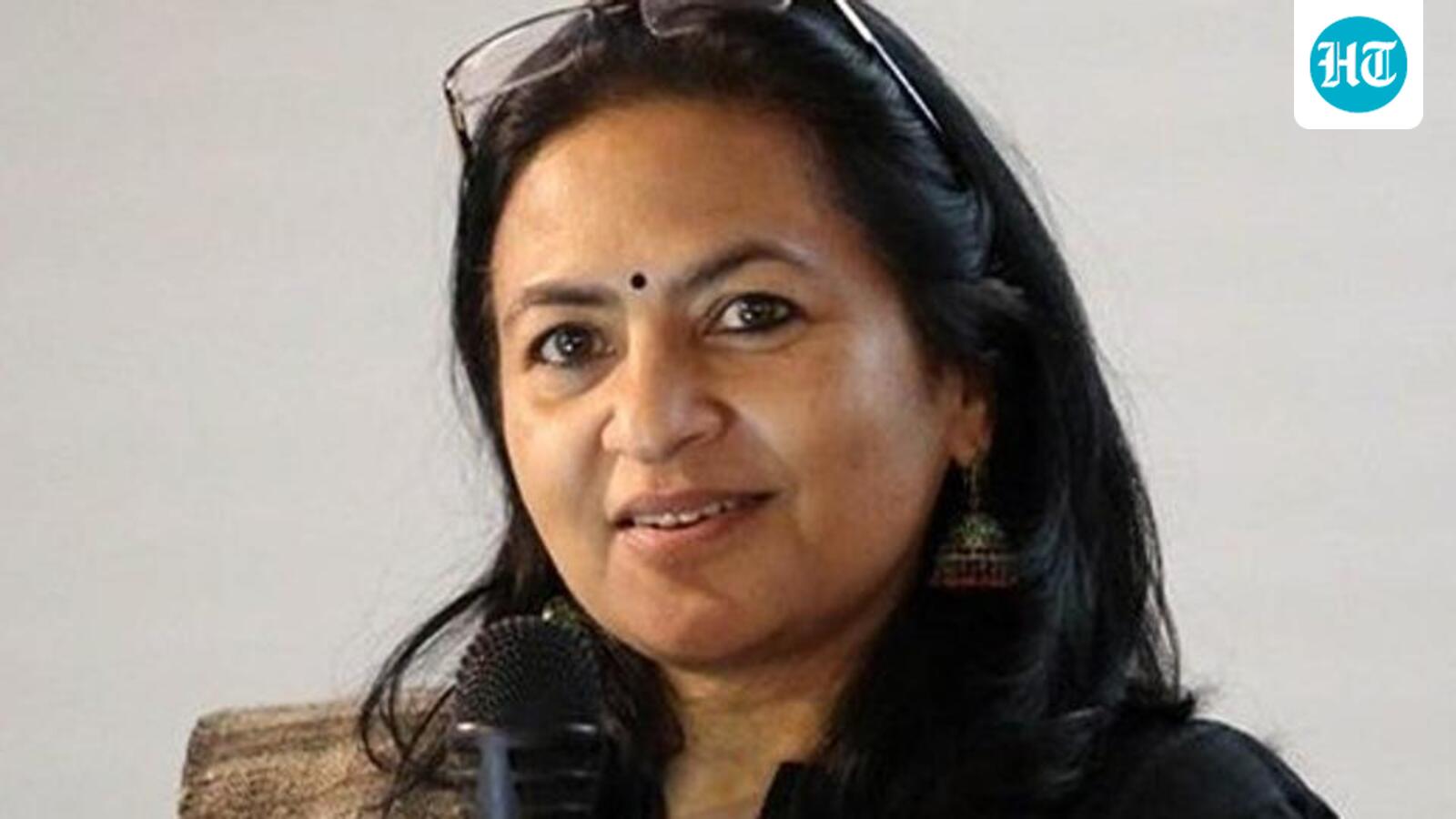
The United Nations biodiversity Conference of the Parties 17 in Yerevan, Armenia, marks a vital checkpoint for evaluating the global biodiversity framework and its targets ahead of the upcoming COP31 talks in Türkiye. In an interview regarding these developments, Ruchi Pant, head of Natural Resource Management and Biodiversity Conservation at UNDP India, outlined the current trajectory of conservation efforts, persistent gaps, and the road ahead for India.
Assessing progress toward the 23 targets of the Kunming-Montreal Global Biodiversity Framework, Pant noted that India submitted its seventh national report earlier this year to help identify key gaps and accelerate action. India was also among the early nations to submit its updated National Biodiversity Strategy and Action Plan during COP16, backed by the endorsement of 24 line ministries to drive implementation.
Despite these strides, Pant emphasized that considerable work remains, particularly in the areas of institutional convergence and funding. Strengthening convergence requires different ministries, departments, and stakeholders to coordinate decisions that translate into biodiversity-positive ground actions. To address this, UNDP and the World Bank are assisting the government through the CONSERVE project by creating a national biodiversity data portal. This portal consolidates data across various sectors and supports spatial and land-use development planning.
Financing continues to be a major hurdle for conservation globally and domestically. While an Intergovernmental Science-Policy Platform on Biodiversity and Ecosystem Services assessment estimated a massive global annual financing gap of up to 824 billion dollars, UNDP’s Biodiversity Finance initiative estimated India's funding gap at 6.5 billion dollars back in 2019. To bridge this divide, UNDP is helping update India's Biodiversity Finance Plan to encourage innovative, nature-positive investments, including customized private sector proposals hosted on the National Biodiversity Authority platform.
Expanding conservation beyond traditional boundaries is another critical focus. To meet the goal of protecting at least 30 percent of terrestrial, inland water, and coastal areas by 2030, India is exploring Other Effective Area-Based Conservation Measures alongside its existing protected area network. National advisory guidelines have been established to operationalize these measures across broader landscapes.
Finally, experts stress that conservation must actively benefit local populations, particularly women and tribal groups, by ensuring they participate in resource management and sharing. Community-led initiatives and sustainable livelihoods remain central to long-term success, while international collaborations like the India-led International Big Cat Alliance provide essential frameworks for protecting threatened species across borders.