


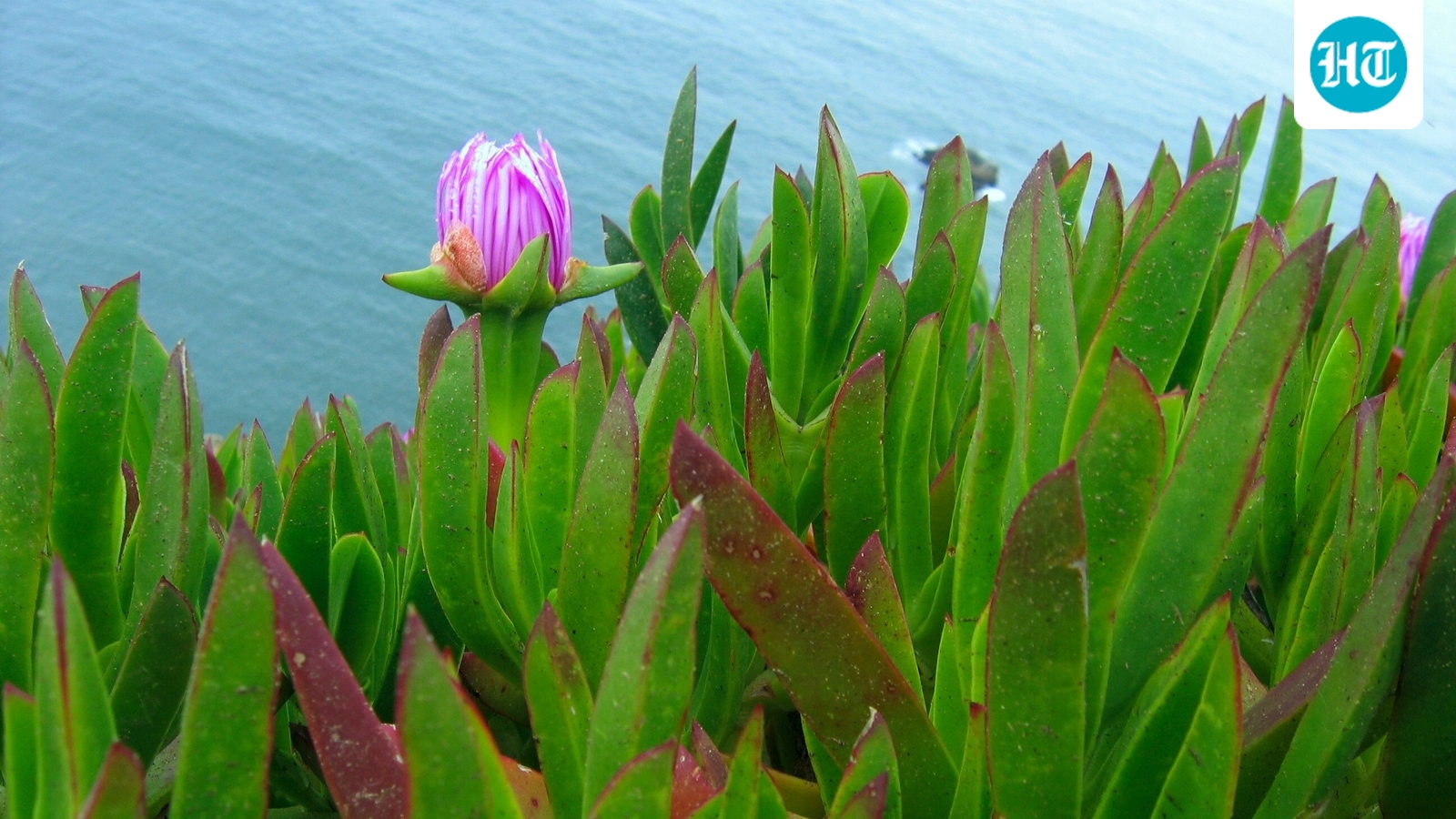
Originally introduced to California during the early 1900s to stabilize soil on railway embankments, the ice plant has since transformed from a practical erosion-control tool into an aggressive coastal invader. The California Department of Transportation later adopted the succulent for roadside areas, while nurseries promoted it as an ornamental garden plant. Native to the coastal regions of South Africa—which shares a climate similar to coastal California—the plant has spread extensively from Humboldt County down to Baja California.
State wildlife officials note that the fast-growing perennial creates thick, expansive carpets that suffocate competing vegetation and alter soil composition. According to the National Park Service, the mat-forming succulent propagates through both seeds and spreading colonies, capable of expanding more than 3 feet in diameter within a single year. Monitoring at Point Reyes National Seashore revealed that ice plants had invaded eight out of 12 studied dune plots, drastically altering local habitats.
The ecological consequences of the invasion extend to soil chemistry and native biodiversity. Ice plants modify the natural movement of sand in dunes and accumulate layers of dead organic material that prevent other species from growing underneath. Furthermore, the plants contain specialized structures that absorb salt and release it into the soil upon dying, creating a toxic environment for native plants like bluff lettuce and fostering a destructive monoculture.
Eradication efforts face significant hurdles because the plant flowers continuously throughout the year. Each fruit yields hundreds of seeds that scatter easily when parent plants are disturbed or treated with herbicides. To combat the spread, park services and community groups organize recurring volunteer weeding events to clear out ice plants alongside other invasive species like European searocket and European dune grass.
Authorities advise against planting ice plants in regions where they might escape cultivation, recommending native alternatives such as purple sage instead. Because the succulent features shallow roots, small infestations can be cleared manually through community or student volunteer efforts, though cleared areas require active restoration to prevent the plant from re-establishing in bare soil. Meanwhile, native California succulents face additional threats, including illegal poaching, prompting state legislation that criminalizes the unauthorized harvesting of wild dudleya species.