


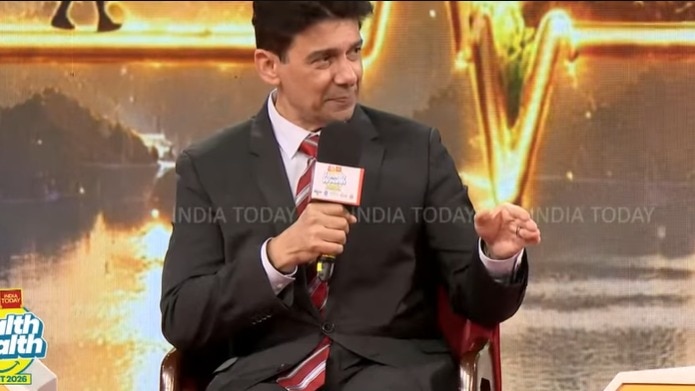
New Delhi: Rice, roti and dal remain staples across the vast majority of Indian households. However, with diabetes rates on the rise and carbohydrates frequently blamed as the primary culprit, many are left wondering if they need to completely rethink traditional meal choices. Cardiovascular and thoracic surgeon and Pathfinder Health Sciences founder Dr Shriram Nene argues that the solution does not involve abandoning classic Indian meals, but rather understanding how to consume them properly.
Speaking at a dedicated session at the HealthWealth Summit, Nene addressed the pressing health landscape. An estimated 10.1 crore Indians live with diabetes, while another 13.6 crore experience prediabetes, which raises the risk of progressing to type 2 diabetes. Findings from the Madras Diabetes Research Foundation and the ICMR-INDIAB study underline the heavy reliance on carbohydrates within Indian diets, with 62.3 percent of total energy coming from low-quality carbs, including refined cereals and sugars.
According to Nene, the primary issue is that societal lifestyles have evolved dramatically while dietary patterns have not kept pace. South Asians already face a genetic susceptibility to conditions like heart disease and diabetes. Meanwhile, the nation has shifted from an agrarian society rooted in physical labor to an industrial and digital economy dominated by desk jobs and sedentary routines.
This shift, combined with easily accessible and energy-dense food ordered rapidly, compounds the overall health impact. The real concern extends beyond simply eating carbohydrates to encompass portion sizes, the nutritional quality of those carbs, and daily energy expenditure. Nene emphasizes that individual needs vary based on genetics, family history, socioeconomic status, and activity levels, meaning an active athlete naturally requires different carbohydrate intake than a desk worker.
Rather than adopting overly restrictive diets, Nene promotes a straightforward plate model. In his framework, half of the plate consists of fibrous vegetables, one quarter contains protein, and the final quarter holds unrefined complex carbohydrates. This prevents refined grains from dominating every meal and allows families to pair traditional elements like rice or roti with ample vegetables and protein.
When it comes to popular comfort foods and street snacks like vada pav, Nene suggests rethinking ingredients instead of cutting them out entirely. Originally designed as an affordable, energy-dense meal for manual laborers, the traditional snack combines multiple carbohydrate sources. By experimenting with sweet potato fillings for added fiber and a lower glycaemic index, or testing millet-based pav variants, familiar foods can remain part of the diet without compromising health goals, provided portion sizes and overall nutritional composition are monitored.
Added sugar represents another area where gradual adjustments can yield results. Nene recommends a multi-week challenge of removing added sugar from tea or coffee to gradually reset the palate. At the same time, he warns against viewing artificial sweeteners as a free pass for consuming overly large, calorie-dense meals. Instead, focusing on whole fruits provides natural sugars alongside beneficial fiber and nutrients.
Ultimately, Nene advocates for instilling healthy habits early in life rather than waiting for a medical diagnosis or weight fluctuation. Avoiding sugary treats as default childhood rewards and promoting nutritious alternatives from a young age helps build sustainable, lifelong wellness habits.