


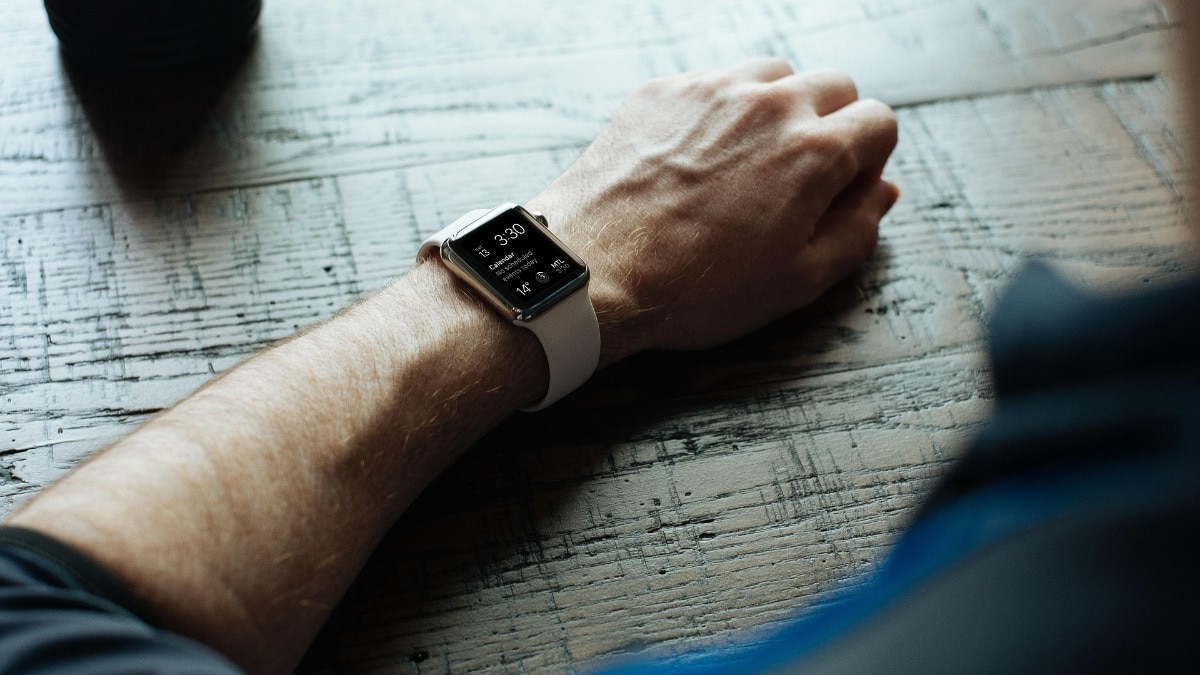
From counting daily steps and monitoring heart rates to tracking sleep patterns and recovery scores, wearable technology has become a regular part of many people's lives. Smartwatches, fitness bands and other health tracking devices promise to help users understand their bodies better.
But as these devices become more advanced, an important distinction needs attention: knowing more about your body does not automatically mean you are becoming healthier.The conversation around health wearables has gained fresh attention following the launch of Temple, a brain monitoring wearable introduced by Zomato founder Deepinder Goyal. The device, which is designed to be worn near the forehead, uses light-based sensors to track physiological signals associated with blood flow in the brain.
Priced at Rs 85,000, it has generated discussion about the possibilities and limitations of using technology to understand brain health.The device has also attracted questions from medical professionals about the scientific evidence supporting its claims and the need for independent validation. This has brought a larger issue into focus: how much should people trust the information generated by wearable devices, and can these readings actually help them make better health decisions?According to Dr Neha Pandita, Senior Consultant Neurologist and Unit Head, Clinical Lead, Parkinson’s Disease and Movement Disorders, Fortis Hospital, Noida, wearable devices can encourage people to become more aware of their daily habits.
However, their readings should not be confused with a medical assessment. TRACKING HEALTH NUMBERS DOES NOT GUARANTEE BETTER HEALTHDr Pandita says people today are increasingly aware of their daily activity, sleep duration and heart rate.
While this information can be useful, it does not necessarily reflect a person's overall health."We have reached a stage where people often know how many steps they have taken, how many hours they have slept and what their heart rate was during the night. But knowing these numbers and being healthy are two very different things." She explains that wearable devices can show what is happening in the body, but the actual benefit depends on how people use this information.
For instance, someone who notices that they are consistently sleeping late may make changes to their routine. Similarly, tracking daily movement can encourage people to spend less time sitting and become more physically active.SLEEP TRACKING CAN HELP IDENTIFY UNHEALTHY PATTERNSOne of the useful features of wearable technology is sleep monitoring.
Many people do not realise how irregular their sleeping habits are until they begin tracking them.According to Dr Pandita, monitoring sleep patterns can help users recognise changes in their routine. It can also make them more conscious of their sleeping habits and encourage them to maintain a consistent schedule.However, she cautions against relying entirely on sleep scores.
A device may provide an estimate of sleep stages and duration, but this does not always reflect how rested a person actually feels.EXCESSIVE TRACKING CAN ALSO CREATE ANXIETYWhile wearable devices can encourage healthier habits, excessive dependence on them can become counterproductive. Some users may feel disappointed when they fail to achieve their daily step target or become anxious after receiving a poor sleep score.Dr Pandita says some people even begin judging their sleep quality based on what their watch reports rather than how they feel after waking up.This can turn health tracking into another source of stress.
Instead of helping people understand their bodies, devices may make them overly focused on numbers and daily targets.WEARABLE DEVICES HAVE THEIR LIMITATIONSAnother important concern is the accuracy and interpretation of the information provided by these devices. Sleep stages, calorie expenditure and recovery scores are estimates, not definitive medical measurements.Dr Pandita explains that wearables can help identify patterns over time, but they cannot diagnose a sleep disorder or rule out an underlying health problem.People should therefore avoid using smartwatch readings as a substitute for medical advice.
If someone experiences persistent sleep problems, unusual symptoms or other health concerns, consulting a qualified medical professional remains important.HEALTHIER HABITS MATTER MORE THAN PERFECT SCORESUltimately, wearable technology should be used as a tool to encourage healthier choices rather than dictate everyday life.Dr Pandita points out that achieving a daily step target cannot compensate for chronic stress, poor nutrition or consistently inadequate sleep. Similarly, receiving a good sleep score does not necessarily mean that someone is well rested.The real value of wearable technology lies in helping people become more aware of their health and encouraging consistent lifestyle changes.
Devices can provide information and highlight patterns, but they cannot make those changes on their own.As health tracking becomes more advanced, the focus should not be on collecting perfect numbers every day. Instead, people should pay attention to how they feel, maintain healthy routines and seek medical advice when needed.
Technology can support better health awareness, but healthier living still depends on everyday choices and consistency.- Ends