


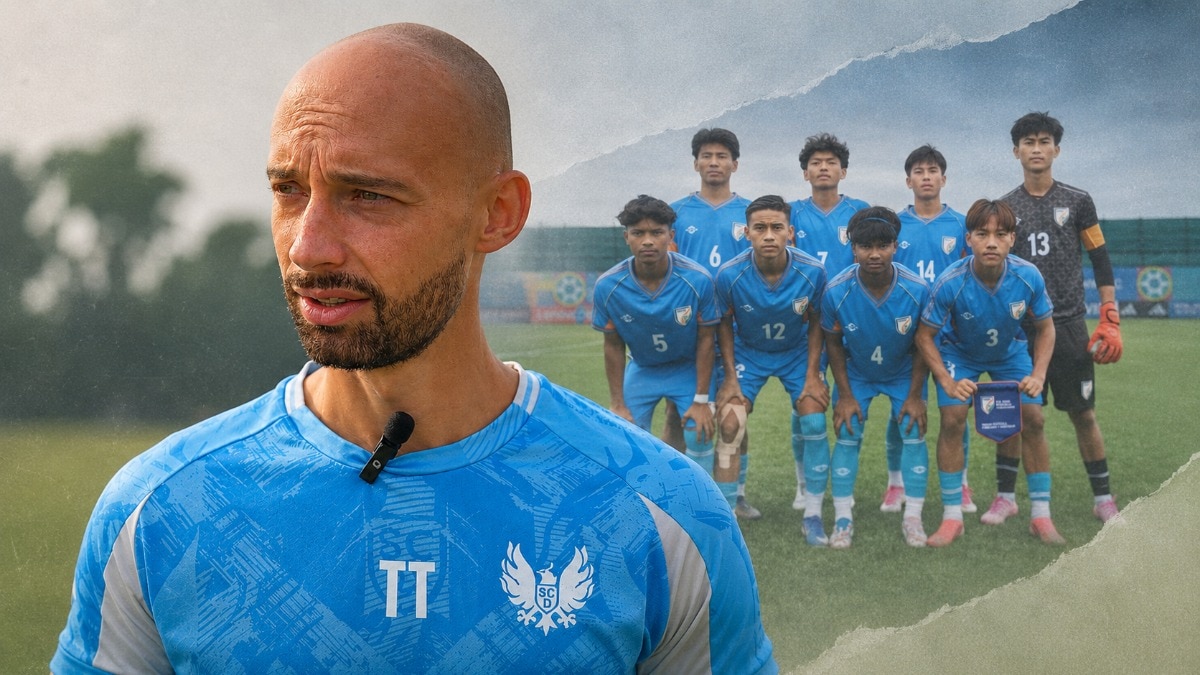
There is a fundamental question underlying Indian football's persistent debate regarding foreign player limits. If domestic clubs require mandates to ensure they field local players, what does that reveal about the underlying system responsible for cultivating those athletes? One organization actively championing young Indian talent is SC Delhi. The team features a significant Under-21 contingent, including prospects like Kharon Subba, Mohammed Azhar, and Aimen, who receive genuine playing time instead of merely occupying roster spots. Guiding this philosophy is head coach Tomasz Tchorz, who maintains that India possesses abundant raw talent. The core issue, he contends, is an inadequate infrastructure for nurturing it properly.
Tchorz offers a direct analogy, comparing rules on foreign players to medication administered to an ailing patient. While it might provide temporary relief, it fails to address the underlying illness. He stresses that restrictions are merely a temporary remedy for a sick system. Tchorz is not advocating for the exclusion of foreign athletes and would gladly see a lineup composed entirely of foreign players if they represented the highest quality available. He argues that the same merit-based freedom should apply equally to domestic footballers, prioritizing the eleven best players regardless of nationality. However, this raises uncomfortable questions about why regulations are necessary to compel clubs to trust local talent.
The consequences of this developmental shortfall were evident during India's friendly matches against Brazil and Uruguay, where the national side suffered heavy defeats. While matches against global powerhouses highlight a stark gap in speed, technique, and decision-making, such disparities cannot be resolved solely within national team camps. They originate much earlier in a player's journey, shaped by coaching quality, match exposure, and competitive opportunities. Tchorz notes that observers frequently observe young Indian players matching or exceeding international peers in early age groups, only for their progress to stall when transitioning to senior football due to a lack of opportunities.
This bottleneck is exacerbated by a severe shortage of competitive youth fixtures. Industry data indicates that Indian Under-15 players often play only twelve to fifteen competitive matches annually, compared to upwards of forty games for counterparts in nations like Japan and South Korea. Furthermore, numerous states struggle with a scarcity of qualified coaches and structured youth leagues. While international outings, such as India's appearance at the FIFA U-15 World Cup and Festival in Azerbaijan, showcase the potential of the country's youth, they simultaneously underscore the immense challenge of maintaining consistent competitiveness at higher levels.
Tchorz points out that club priorities often skew toward immediate rewards such as visibility, media attention, and short-term victories, rather than the long-term investment required to develop players for the future. Without a shift toward sustainable youth development and platforms that reward potential, restrictions on foreign players will remain a superficial fix for a deeper structural ailment.