


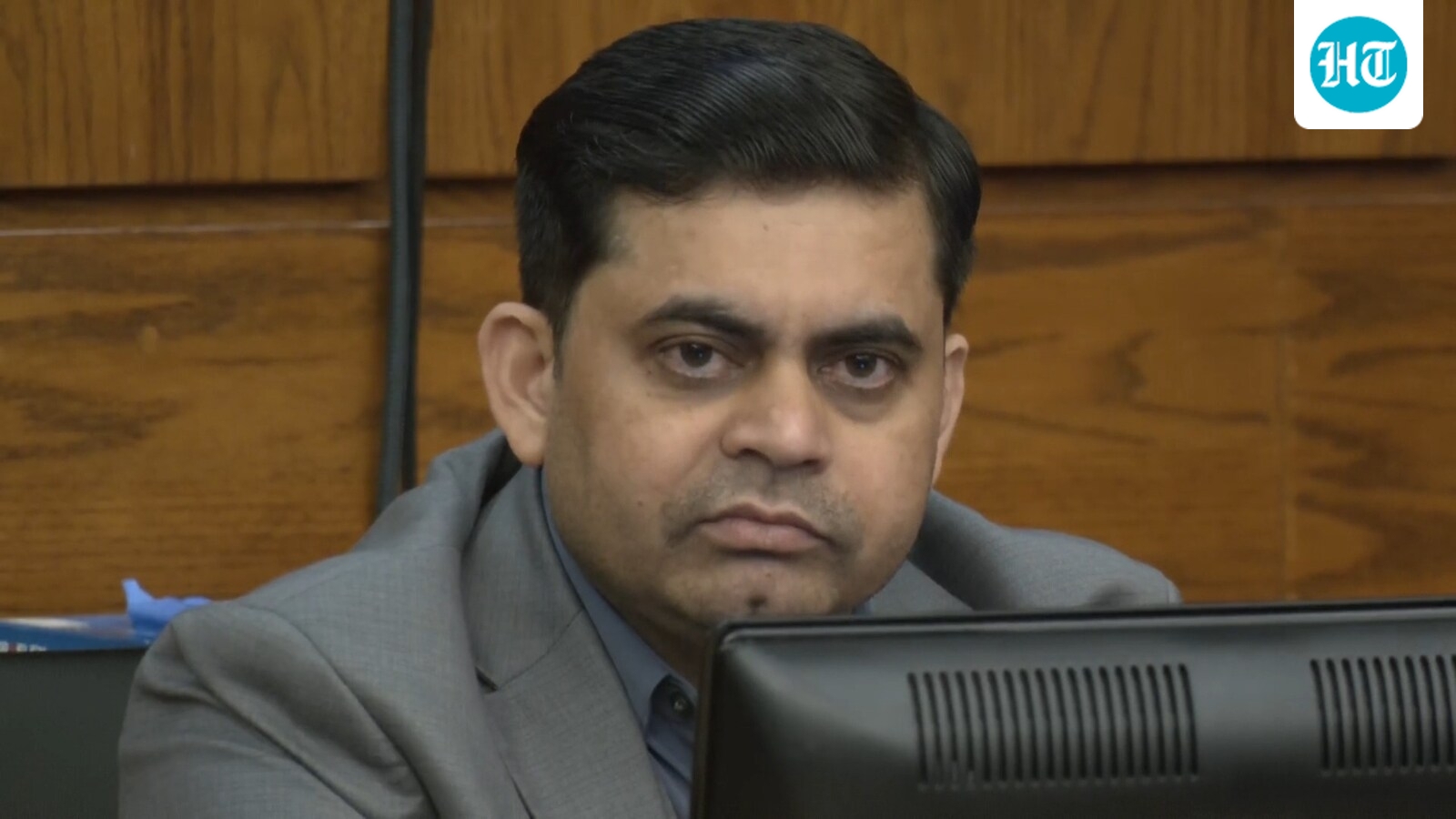
A legal expert has suggested that Naresh Bhatt could ultimately face a first-degree murder conviction or be completely acquitted, following a dramatic courtroom testimony in Virginia. Bhatt took the stand and told jurors that he dismembered his wife's body after discovering her dead, though he maintained that she died by suicide.
During his testimony, Bhatt claimed he found his wife unconscious and surrounded by vomit, blood, and an open packet of insecticide on the night she disappeared. He admitted to using a saw to cut up her remains and attempting to conceal them. Following a meeting between attorneys and the judge, it was determined that the jury would be offered a waterfall instruction extending down to second-degree murder, though not manslaughter.
Mamta Kafle Bhatt, a registered nurse and young mother, vanished from her home in Manassas Park over two years ago. Authorities arrested Naresh Bhatt three weeks later, subsequently charging him with first-degree murder, concealment of a dead body, and defiling a dead body.
Frank Salvato, a criminal defense attorney in Virginia, spoke with local media regarding the potential outcomes of the trial. According to Salvato, the inclusion of the new jury instructions means the panel could consider a second-degree murder conviction if they determine the act lacked the willful and premeditated criteria required for first-degree murder.
Despite the availability of lesser charges, Salvato described the case as an all-or-nothing situation where the jury will likely lean toward either an acquittal or a premeditated murder conviction. He noted that a waterfall instruction descends sequentially from the highest offense, and the judge indicated that a second-degree charge could still apply even without traditional malice under state law.
Because Bhatt already conceded to the concealment and defilement charges, he is expected to be found guilty of those counts. Salvato suggested that Bhatt's legal strategy involves a significant gamble, where the defense hopes the jury might harbor reasonable doubt about the murder itself while accepting the lesser charges the defendant freely admitted to on the stand.