


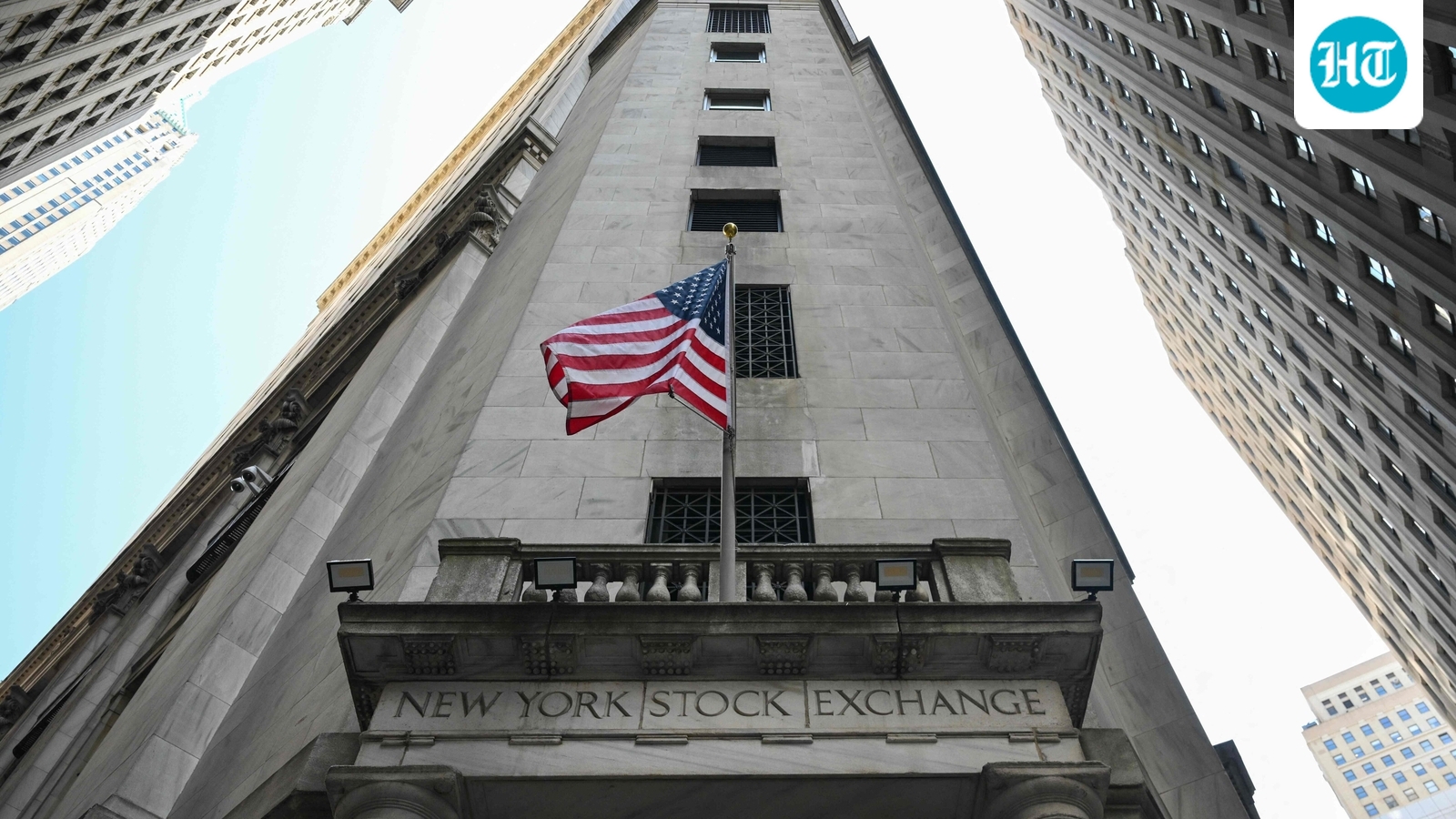
The US stock market has a historically strong period ahead of the midterm elections. Wall Street investors have been worried about heavy spending on artificial intelligence (AI), earnings from major technology companies and the US Federal Reserve’s interest-rate decision.
However, past market data suggest that the S&P 500 could rise over the next eight trading sessions.S&P 500 faces the Fed decision and Big Tech earnings ahead of US midterm elections. (Photo by ANGELA WEISS / AFP) (AFP)The S&P 500 has risen in 18 out of 19 US midterm election years during this period. Since 1950, the index has gained in 18 of the 19 midterm years during the eight-session period that starts five trading sessions before Election Day and ends three trading sessions after it.
The median gain during this period was nearly 3%, according to data highlighted by Bluekurtic Market Insights in a post on X.S&P 500 Midterm Election rally: Key datesThis year’s period starts on October 27 and runs through November 6. The trading window begins at Tuesday’s market close, one week before the November 3 US midterm elections.
It covers five trading sessions before Election Day and three sessions after the vote, ending on Friday, November 6, according to Yahoo Finance.Also read: S&P 500 investors face new risks as Spacex-Tesla merger, Anthropic IPO plans emergeThis is the strongest eight-session period of a US midterm election year. Yahoo Finance reviewed the historical numbers and found that this late-October-to-early-November period performed better than any other eight-session stretch during midterm years.
No eight-session period starting at another time of the year recorded gains in more than 15 out of 19 cases, the analysis found.The historical pattern appears to be linked to midterm elections, not just the time of year. The same eight-session period had a weaker record during the other three years of the four-year US presidential election cycle.
During those years, the S&P 500 rose in only 12 or 13 out of 19 cases, compared with 18 out of 19 midterm years, according to Yahoo Finance’s analysis.Fed decision and big tech earnings in focusSeveral major events could influence the S&P 500 this week and next week. Investors are preparing for the Federal Reserve’s interest-rate decision on Wednesday, earnings reports from Microsoft and Alphabet, and the US October jobs report.
These developments could affect investor confidence and the direction of the stock market.The S&P 500 is still below its recent record high. The index is trading about 2% below the record it reached on October 6.
This means the market has pulled back slightly from its peak even as historical trends point to a potentially strong period around the midterm elections.The market’s gains may not continue after this eight-session period. Historical data show that the S&P 500 rose in only nine out of 19 midterm election years during the seven trading sessions immediately after the period.
This was the same success rate recorded during the seven sessions before the eight-session window, according to Yahoo Finance’s analysis.Also read: Gold prices hold near $4,000 as traders await Fed rate decision amid inflation concernsS&P 500 has never fallen in 12 months after MidtermsThe longer-term record after midterm elections has been much stronger. Sam Stovall of CFRA said that the stock market has never fallen over the 12 months following October 31 of a US midterm election year.
Yahoo Finance’s calculations show that the S&P 500 recorded gains in all 19 such periods since 1950, giving it a historical success rate of 19 out of 19.However, some market experts are not convinced that history will repeat itself this year. Jim Paulsen, author of the Paulsen Perspectives newsletter, pointed to tighter financial conditions over the summer.
Higher oil prices and rising bond yields have added pressure to markets and could make it harder for stocks to deliver the gains suggested by historical trends, he told Yahoo Finance’s Brooke DiPalma on Monday.Jim Paulsen expects investors could be disappointed by the usual seasonal strength. Despite the historically positive pattern around midterm elections, Paulsen said he suspects the market could fail to deliver the expected gains during this period.
His comments highlight the risk that current economic and financial conditions could outweigh historical trends, according to his interview with Yahoo Finance’s Brooke DiPalma.Historical trends favour stock market gains, but investors face several near-term risks. The S&P 500 has usually performed well during the eight trading sessions around US midterm elections, with gains in 18 of the past 19 midterm years.
However, the Federal Reserve’s decision, Big Tech earnings, the October jobs report, higher oil prices and bond yields could influence the market’s next move.