


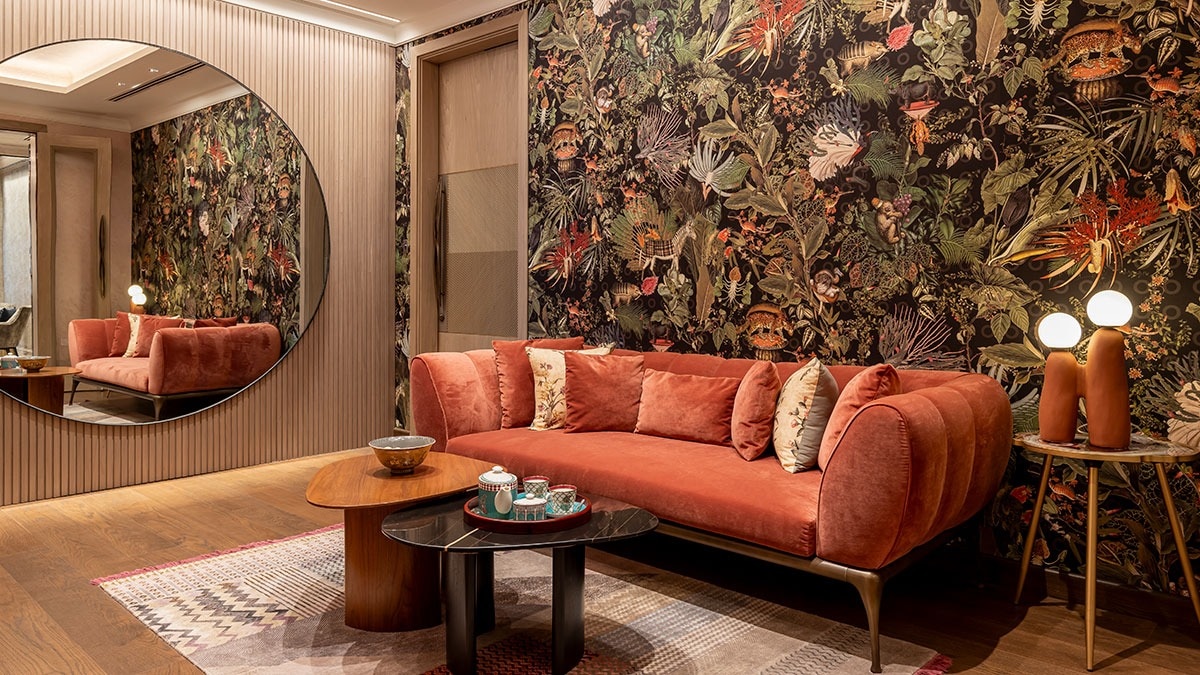
A beautifully styled home can be undeniably compelling on screen. Sculptural furniture, layered lighting and immaculate surfaces now define the aspirational interiors that saturate our digital feeds.
Yet, a photograph captures merely a fleeting moment, not the lived experience. It cannot reveal whether a layout permits fluid movement, whether a room receives comfortable daylight or whether its materials will endure the rigours of daily life.
As social media increasingly dictates how we conceptualise our living spaces, a pivotal question arises: are we designing for the camera or for everyday life? The desire for aesthetic excellence is not inherently flawed; rather, the pitfall lies in our growing tendency to elevate visual appeal above comfort, functionality and longevity.WHEN TRENDS ECLIPSES FUNCTIONAn open-plan layout may appear expansive on camera, yet it frequently offers little acoustic or visual privacy.
Oversized furniture can create a striking graphic composition while simultaneously obstructing natural pathways. Similarly, a minimalist interior may look impeccably uncluttered online, but often leaves no room for the messy realities of everyday belongings.
Such structural compromises typically surface only after a family has settled into the space. True architectural harmony begins with an understanding of human choreography.
Circulation, storage, privacy and proportion must form the foundation; decoration is merely the final layer.WHAT THE CAMERA FAILS TO CAPTURE Lighting perfectly illustrates the chasm between appearance and architectural performance. While a statement pendant creates a dramatic focal point for a photograph, a functional room demands nuanced ambient light alongside targeted task lighting for reading and culinary tasks.
Daylight, glare and the shifting quality of natural illumination throughout the day merit identical scrutiny.Materials demand a similar level of pragmatism. Glossy finishes, delicate surfaces and certain natural stones possess a striking tactile allure but mandate relentless upkeep.
In Indian households, where dust, high humidity and vigorous daily use are standard, a porous white marble that easily stains with turmeric or coffee will rapidly lose its charm. A sophisticated design philosophy balances texture and appearance with performance and graceful ageing.DESIGNING FOR PERMANENCEHomes are living ecosystems that must adapt over time.
Families expand, professional routines shift and rooms are called upon to change roles. Interiors constructed entirely around fleeting, algorithm-driven trends risk feeling dated or impractical within a few seasons, prompting costlyand wasteful renovations.
Instead, durable materials, versatile layouts and meticulous detailing ensure a space remains timelessly relevant. This approach does not demand the exclusion of vibrant colour or distinctive character; rather, it requires making deliberate choices that honour the occupants, the architecture and the specific purpose of the room.BEAUTY THAT ENDURESDigital platforms are invaluable repositories for inspiration, but they represent the genesis of the design process, not its destination.
Before archiving a reference image, it is worth interrogating how that exact room would perform on a mundane, rainy Tuesday. Ultimately, a home is judged less by its photographic merit than by how it comforts the soul at the end of a exhausting day: the effortlessness of its movement, the serenity of its light and the sensory honesty of the materials one touches.When aesthetic beauty is anchored firmly in function and durability, architecture requires no digital enhancement.
The ultimate success of a home lies not in its ability to garner temporary validation on a screen, but in its capacity to nurture and sustain the lives within it. Long after the camera is put away and the trend cycle moves on, a thoughtfully designed home remains—timeless, resilient and profoundly liveable.—Architect Sonali Bhagwati is the Founder and Managing Partner at Designplus Architecture (DPA)- Ends