


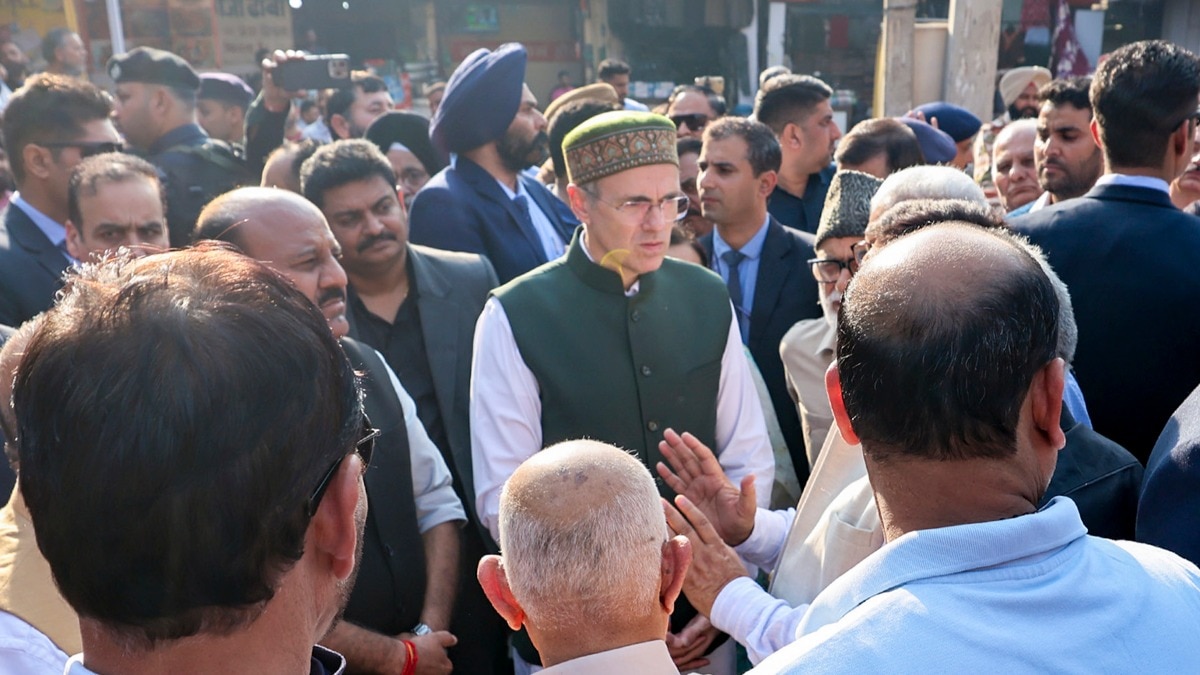
The internal crisis facing Jammu and Kashmir's ruling National Conference intensified as a group of ten to fifteen dissatisfied legislators convened for a private meeting in Srinagar. The gathering follows widespread unease surrounding Chief Minister Omar Abdullah's recent cabinet reshuffle and expansion, which left several senior party figures sidelined.
The political turmoil deepened further when six-time MLA Mubarak Gul publicly expressed his resentment over being excluded from the ministerial lineup. Although Gul initially called a press conference to announce his next steps amid ongoing protests by his supporters, he ultimately postponed his remarks for a more suitable time.
Adding to the administration's woes, Srinagar MP Aga Syed Ruhullah resigned from the party, accusing the leadership of abandoning campaign promises regarding the restoration of Article 370 and the protection of regional constitutional rights. Ruhullah's departure coincides with the broader fallout from the October 27 cabinet expansion.
During their closed-door discussions, the disgruntled legislators reportedly demanded the complete replacement of all eight cabinet members, including the deputy chief minister, within a fortnight. They also called for the removal of the Chief Minister's adviser, Nasir Aslam Wani, alleging that he exerts undue influence over the administration.
While the ruling National Conference alliance holds a comfortable majority in the 90-member legislative assembly with 54 total members—comprising 41 from the NC, six from Congress, six independents, and one from the CPM—internal dissent presents a potential vulnerability. Although analysts note that mass resignations remain purely hypothetical at this stage, any coordinated rebellion by a significant bloc of lawmakers could jeopardize the stability of the two-year-old government.