


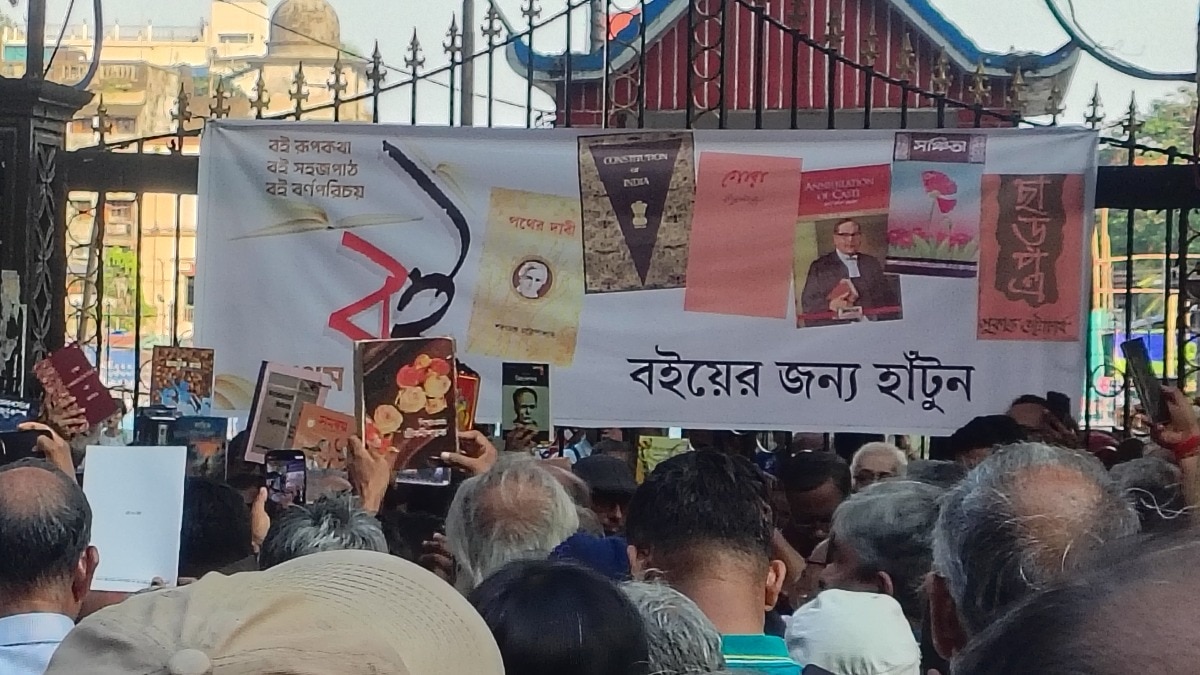
The targeted destruction of Left-wing bookstalls across West Bengal during the Durga Puja celebrations triggered an extraordinary wave of public solidarity and protest, culminating in a large demonstration at Kolkata's College Square. Participants from diverse backgrounds and age groups walked together, holding aloft books as symbols of collective resilience. The incidents included stalls being dismantled, literature torn and scattered, and individuals assaulted, while authorities in certain areas cited legal grounds for removing the structures.
The backlash quickly transcended traditional party divisions. A local Trinamool Congress legislator visited a Communist Party of India (Marxist) bookstall to purchase literature in solidarity, while prominent Bharatiya Janata Party figures openly distanced themselves from the vandalism. The subsequent protest march drew notable participation from younger generations, prompting broader discussions about the enduring significance of reading and intellectual freedom in Bengali society.
Cultural analysts and historians note that the reverence for books in Bengal runs deep, often embedded in household habits where accidentally touching a publication with one's feet is treated as a serious social transgression. Books are traditionally viewed not merely as bound paper, but as conduits for wisdom and knowledge. Historians trace this intellectual foundation to the 19th-century embrace of modern education and global philosophy, ranging from Western thinkers to local spiritual and literary icons, establishing a long tradition of pluralism and cross-cultural engagement.
Observers argue that the outrage over the bookstall attacks goes far beyond partisan politics, touching directly upon a foundational heritage of liberal thinking and diverse intellectual exchange. For many residents and academics, assaulting literature represents an attack on the collective identity and historical openness of the region, uniting citizens who view the defense of books as a defense of their cultural soul.