


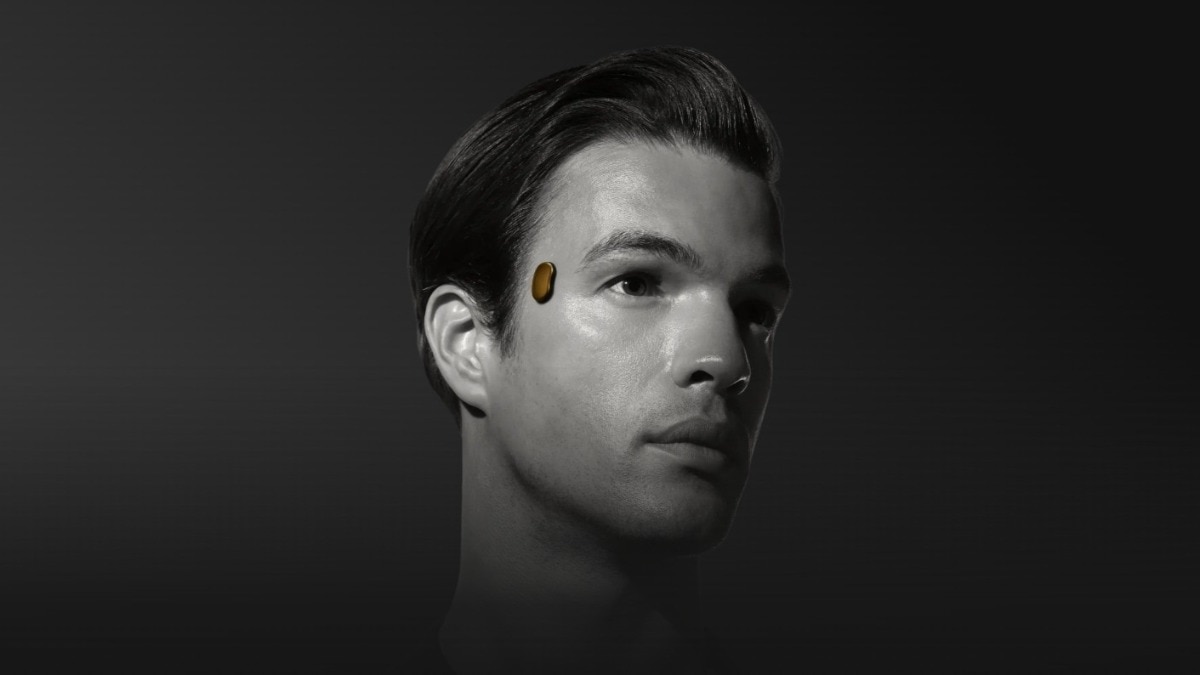
Temple, a brain monitoring wearable born out of Zomato co-founder Deepinder Goyal’s interest in biotech, is getting closer to its first sale, and its price may finally be coming into focus. An early-access invite shared with selected users suggests that the first batch of the brain-monitoring device will cost Rs 85,000, including a lifetime subscription.
Pre-orders for Batch 01 are set to open on November 1, 2026, ahead of the wider rollout. However, Temple is yet to make a formal public announcement confirming the price and other details.The pricing information comes from people who have received early-bird invites from the company.
The invite says selected users can place their orders through the Temple app before pre-orders open to everyone. It also notes that the number of devices in the first batch will be limited.Each unit will be handmade to order, with early-access buyers among the first customers to receive one.
The invite asks users to download the Temple app and sign in using the email address that received the message to claim early access. The company has not publicly confirmed the final retail price, the total number of units in Batch 01 or the delivery timeline.
Image credit: X / @testedoktharun Temple has already drawn attention after Goyal wore the device during an appearance on Raj Shamani’s podcast. Badminton player PV Sindhu has also been spotted wearing it during live matches.
The wearable is confirmed to ship in six colours, including True Gold, Rose Gold, Black Mirror, Real Jade, Deep Blue and Purple Funk. What is Temple, and what does it do?Unlike a smartwatch that tracks steps, heart rate and sleep, Temple is designed to monitor changes linked to blood flow in the brain.
It uses a technology called BrainFlow to track cerebral blood flow and signals associated with oxygenation and cognitive load.The device sits on the side of the head, between the forehead and the ear, and attaches to the skin using single-use adhesive tapes called Grips. Goyal has said these are designed to keep the wearable in place during everyday activities and exercise.
Temple also uses an Entropy score, ranging from 1 to 250, to indicate physiological strain. Factors such as sleep, exercise, stress and caffeine may affect the score.
However, the device is intended for wellness and research, not medical diagnosis.For now, the Rs 85,000 price mentioned in early-access invites gives prospective buyers a clearer idea of what Temple could cost. The final word, however, will have to come from the company when it makes an official public announcement.- Ends