


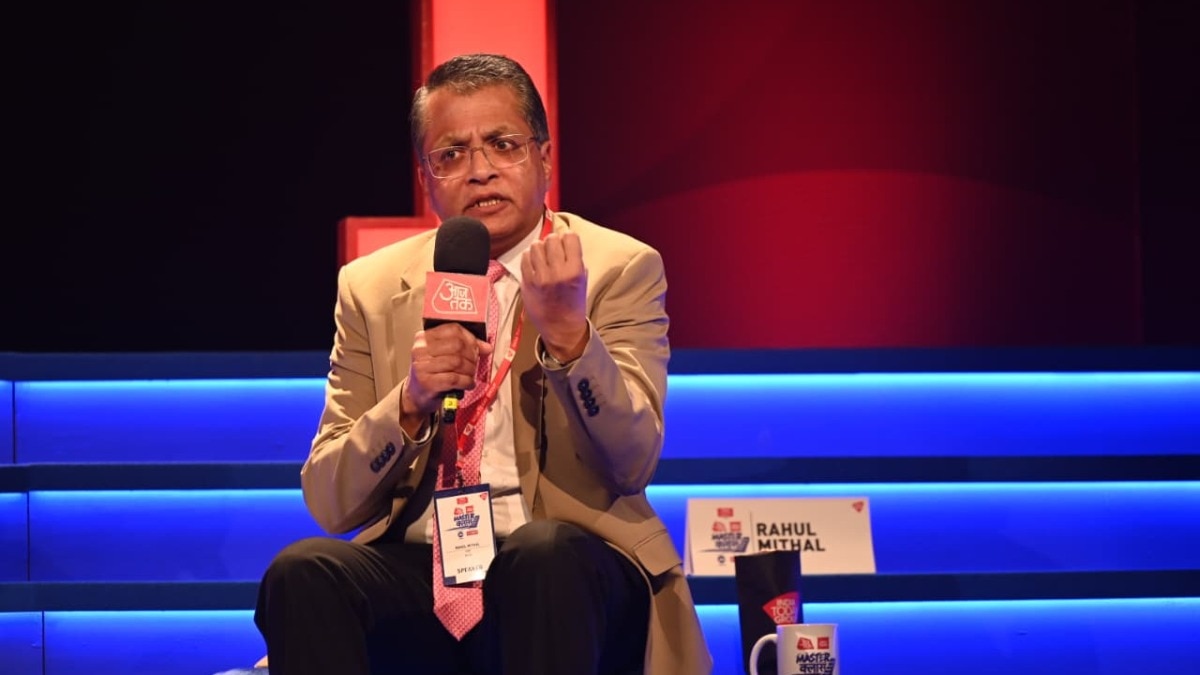
For many young engineering graduates, securing a government position remains a primary career objective, raising questions about what it takes to succeed in Indian Railways and the broader opportunities available beyond conventional train operations. During an appearance at the Aaj Tak Masterclass 2026, RITES Chairman and Managing Director Rahul Mithal reflected on his professional path, his decision to remain in India rather than pursue international prospects, initial government compensation, and emerging avenues for employment.
Mithal's professional trajectory began in 1985 while studying engineering at IIT Kanpur. He subsequently cleared the Special Class Railway Apprentices examination, a competitive route that combined mechanical engineering studies with a career in the railway system. Although he had opportunities to continue his education abroad, he opted to stay and build his career domestically, a choice that ultimately shaped decades of public sector service.
Elaborating on why the railway system serves as a compelling option for engineers, Mithal noted that the organisation provides diverse exposure across operations, maintenance, system design, and management. With a workforce numbering around 14 lakh people, the massive scale of the network allows professionals to apply their technical skills to real-world infrastructure challenges and develop comprehensive managerial competencies.
Addressing common assumptions regarding public sector remuneration versus private industry, Mithal observed that the compensation gap has narrowed significantly during the early stages of a career. When evaluating total cost-to-company packages including employee benefits, government organisations and public sector undertakings remain financially competitive for the first decade or so, though private sector compensation can outpace public sector growth at senior management levels.
Focusing on RITES, Mithal described the 52-year-old infrastructure consultancy as operating across 13 diverse verticals, encompassing railways, ports, urban transport, highways, and structural engineering. Managing numerous active consultancy orders both domestically and internationally, the firm has delivered projects across more than 55 countries over five decades, establishing itself as a prominent destination for engineers aiming to work on large-scale assignments.
Regarding recruitment prospects amidst high competition for public sector roles, Mithal noted that hiring activity has gained momentum alongside increased capital expenditure, network expansion, and the rollout of new rolling stock. The ongoing development of high-speed corridors and modernized infrastructure is anticipated to drive continued demand for specialised technical expertise across both the core railway network and associated public sector enterprises.
The discussion also touched upon operational hurdles such as train delays and safety management. Mithal explained that intense pressure on existing infrastructure stems from high passenger and freight demand exceeding route capacity. Managing varied services including suburban, express, and freight trains on shared tracks presents ongoing logistical challenges, while various factors continue to influence safety and punctuality across the network.