


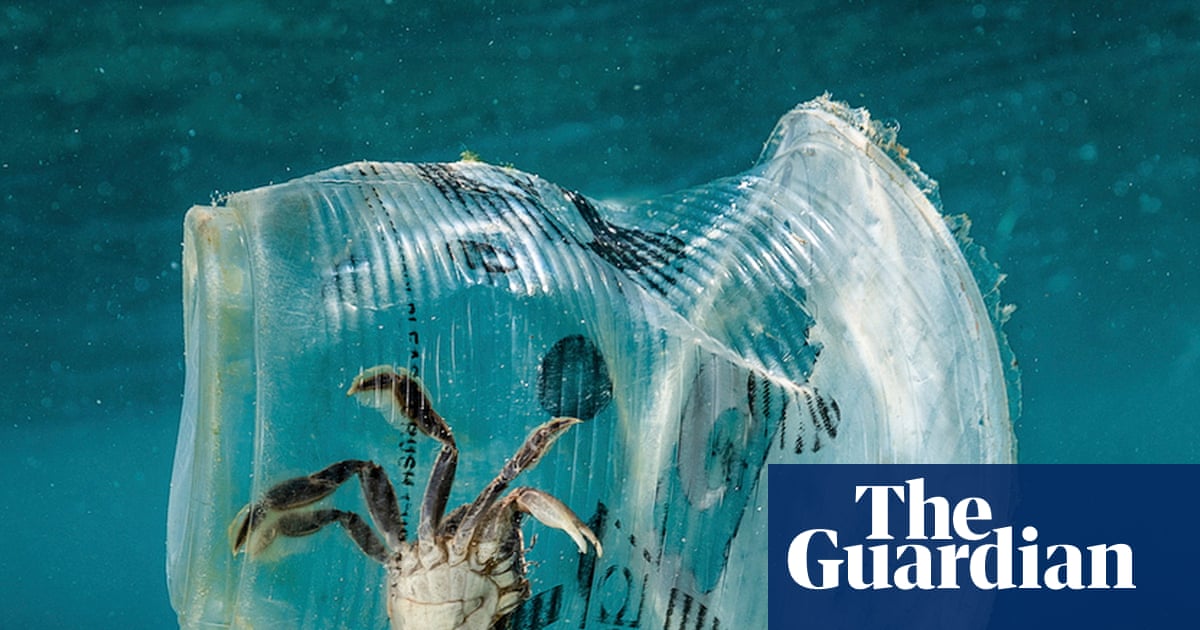
Global packaging waste is projected to reach significant highs in the coming years, driven heavily by single-use plastics. Research indicates that the volume of global plastic waste doubled between 2000 and 2019, with packaging accounting for roughly 40 percent of it. Despite these rising volumes, plastic remains one of the least recycled materials globally, leaving researchers and startups looking for radical alternatives to traditional containers.
One such approach was recently tested in the Northamptonshire hamlet of Nobottle, where a pilot project distributed ginger shots inside edible seaweed pods rather than plastic bottles. Developed by the biodegradable packaging company Notpla, the pods were generally well received by residents who sampled them. Similar innovations have appeared at high-profile events like the London Marathon, while other companies have developed edible stock cube wrappers, spoons, and cups designed to hold hot liquids without leaking or going soft.
The market for edible packaging was valued at over one billion dollars and is projected to grow as consumer environmental concerns increase. Startups point to materials like seaweed as a highly sustainable option because it is one of the fastest-growing organisms on Earth, requiring no land space and biodegrading rapidly. Other researchers are exploring plant-derived alternatives, such as cellulose films and pea protein packaging produced through biochemical processes.
Despite these innovations, significant challenges hinder widespread adoption. Market research notes that edible packaging is often sensitive to fluctuating environmental conditions, requiring specialized shipping and storage handling. Consumer reluctance to use edible utensils and containers also presents a barrier. Furthermore, high costs remain a major hurdle, as manufacturers operating in a cost-driven market often resist paying more for biodegradable alternatives when traditional plastics dominate a massive global market.
Experts also question whether alternative materials can be produced at the massive scale required to replace conventional plastics. While some developers argue that seaweed is already farmed on a large scale for various everyday products, others caution that harvesting enough material to replace millions of tonnes of packaging would demand unprecedented industry shifts. Beyond manufacturing and scaling, environmental campaigners emphasize that the ultimate solution to the plastic crisis requires moving away from a throwaway consumer culture entirely, rather than simply finding new ways to wrap single-use items.