


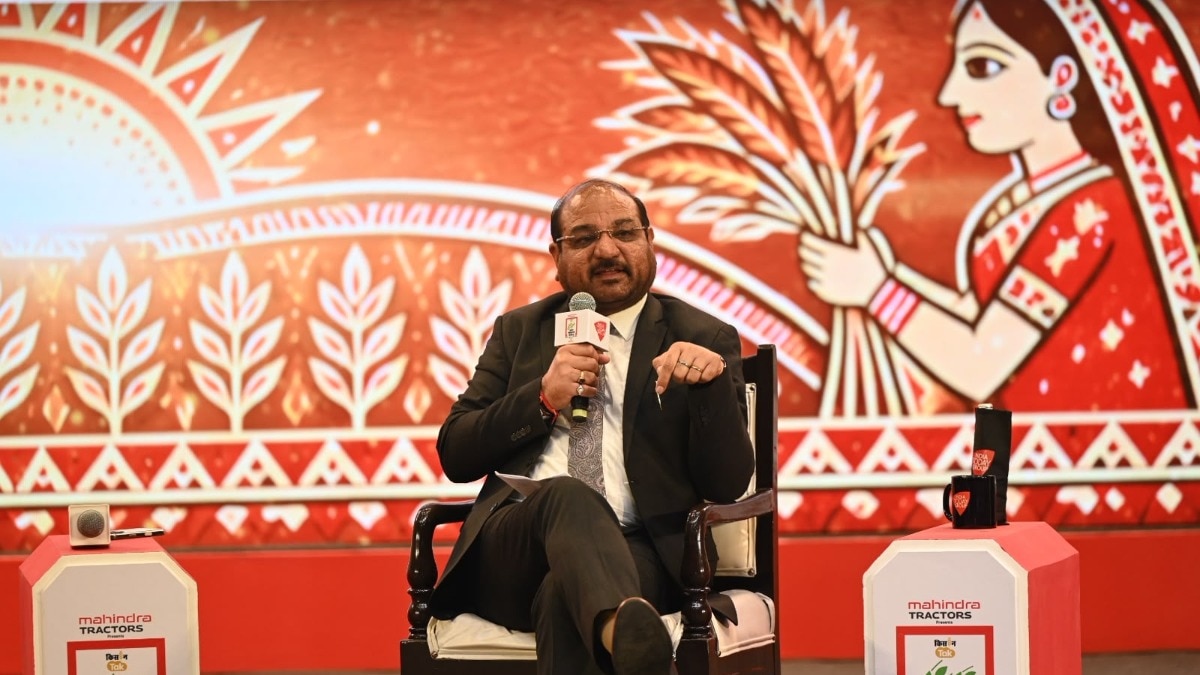
New Delhi: Agriculture must evolve beyond a simple food production mechanism to become a critical pillar of human health, experts declared at the Kisan Tak India Agriculture Conference.
Addressing the gathering, Dr Mangi Lal Jat, Secretary of DARE and Director General of the Indian Council of Agricultural Research, argued that farming practices must transform into a market-driven agro-food system. This new model should prioritize nutrition, soil quality, health outcomes, and robust value chains.
Emphasizing that sustenance serves as medicine, Dr Jat noted that the agricultural sector must be viewed directly through the lens of human well-being. In alignment with this vision, ICAR introduced the SEHAT initiative—standing for Science Excellence for Health through Agriculture Transformation—to solidify the connection between farming methods and societal health.
Underpinning this entire transformation is the necessity of maintaining soil health. Speakers also drew attention to the Khet Bachao Abhiyan, a campaign designed to address excessive fertilizer application, soil degradation, and the agricultural impacts of climate events like El Nino.
Dr Jat stressed that agricultural research must break out of institutional laboratories and rely heavily on ground-level engagement with cultivators. By incorporating farmer feedback and tackling hundreds of grassroots issues, the scientific community can foster double-loop farming innovations.
While India's foodgrain production has expanded tremendously since the Green Revolution, experts agreed that the next phase of agricultural development requires moving past mere volume. Future progress depends on landscape-level climate planning, robust market linkages, and ensuring that agricultural practices simultaneously nourish the population, preserve the soil, and secure livelihoods.