


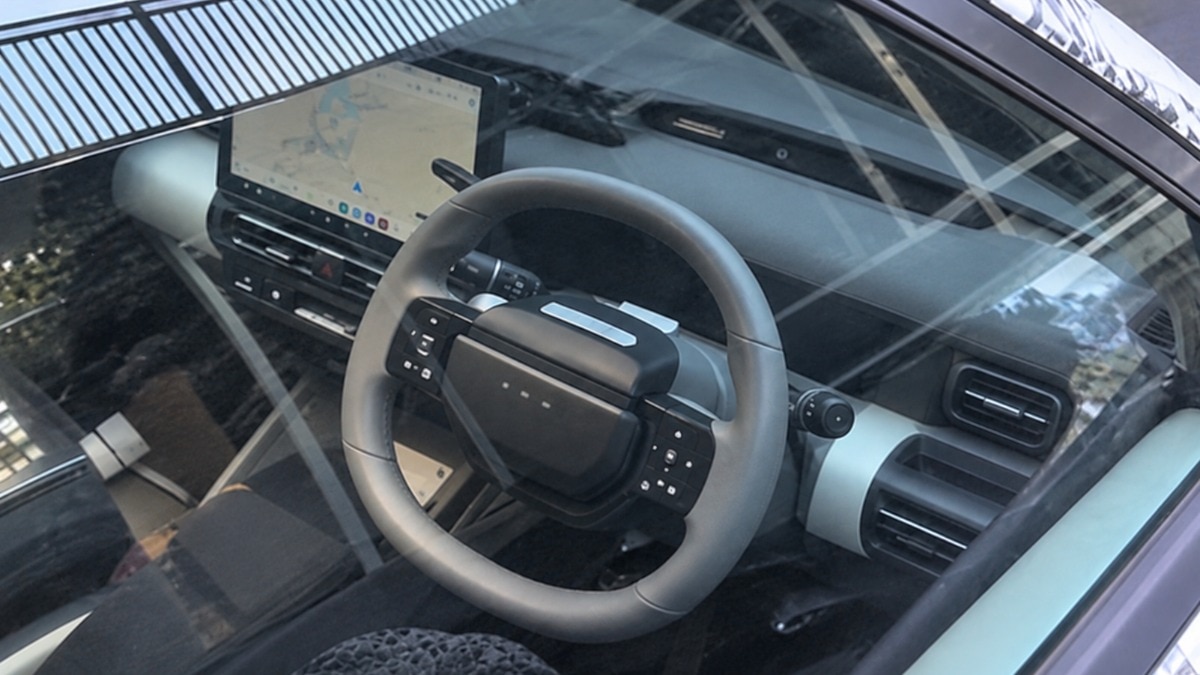
New Delhi: Hyundai is preparing a substantial overhaul of the Creta, with the next-generation SUV expected to bring a larger cabin, a redesigned dashboard, and a significantly upgraded technology package. Fresh spy shots have offered a first glimpse of the interior, revealing a new digital layout and several comfort features that could position the model more premium when it arrives in 2027.
The latest test mule was spotted undergoing trials in the Manali region under heavy camouflage. While the exterior remains largely concealed, the partially exposed cabin outlines the changes Hyundai has planned for its popular SUV. The third-generation Creta, internally codenamed SX3, is expected to shift to the K3 platform shared with the latest Kia Seltos, which should translate into a larger footprint and improved interior space.
The most notable change inside is the completely redesigned dashboard. It features a large, vertically oriented central infotainment touchscreen paired with a slim digital driver display positioned higher up. The setup appears distinct from the integrated dual-screen arrangement found in several recent Hyundai vehicles. The infotainment system could utilize the Pleos Connect interface for an advanced software experience.
The cabin also receives a steering wheel with an unconventional design incorporating the Morse Code-inspired 'H' logo, alongside touch-sensitive controls and physical scroll wheels. An off-white and black color theme extends across the dashboard, seats, and door panels. The center console adopts a floating design featuring two longitudinally arranged cupholders and an extended front armrest, accompanied by a rotary control below the main screen.
Rear-seat comfort has also received attention, with spy shots highlighting a rear center armrest with integrated cupholders, dedicated air conditioning vents, and enhanced legroom. Both front seats are anticipated to offer electric adjustment, alongside an electrically operated Boss Mode function for the front passenger seat that lets rear occupants adjust it for extra legroom.
The transition to the K3 architecture allows Hyundai to expand the vehicle's dimensions and packaging. Exterior test sightings hint at a more upright profile with a boxier front grille, split headlamps, vertical LED daytime running lights, a revised rear lighting signature, flush-fitting door handles, and a centrally mounted radar sensor.
Expected equipment includes ventilated front and rear seats, a panoramic camera system, Level 2 ADAS, blind-spot monitoring, reclining rear seats, and an expanded telematics package, though variant availability will be detailed closer to launch.
Under the bonnet, Hyundai is expected to carry over its current 1.5-litre naturally aspirated petrol, 1.5-litre turbo-petrol, and 1.5-litre diesel engines, alongside existing manual and automatic transmissions. A strong-hybrid petrol powertrain built around the 1.5-litre naturally aspirated motor is also under consideration to compete against rival hybrid offerings.
The next-generation Creta is anticipated to arrive around mid-2027, commanding a price premium over the current generation while competing against models like the Kia Seltos, Tata Sierra, Volkswagen Taigun, and Skoda Kushaq.