


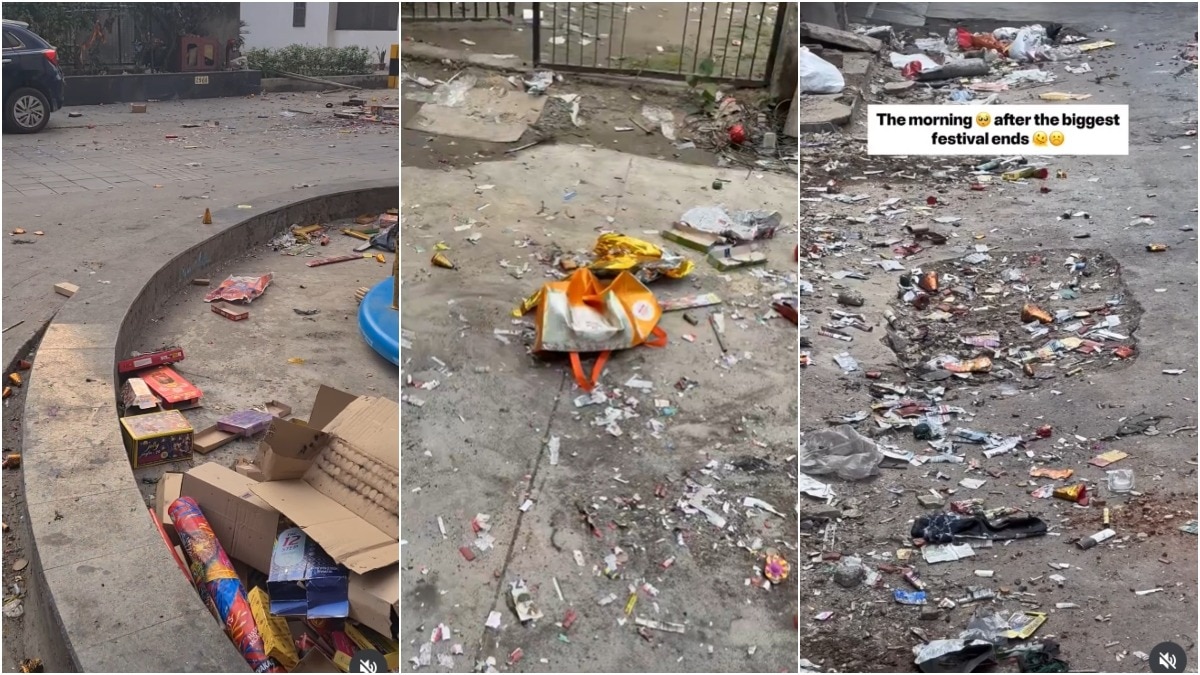
Streets across various Indian urban centers were left heavily littered with burnt firecracker remains, cardboard boxes, paper scraps, and ash following the Diwali festivities. The aftermath prompted widespread discussions on social media as residents shared footage of the mess and questioned public responsibility regarding cleanliness after celebrations.
From Delhi to Bengaluru, photos and video clips captured roads, residential lanes, and housing society grounds covered in leftover debris. The heavy accumulation of empty cracker shells and discarded packaging created an uphill challenge for municipal sanitation workers tasked with restoring public spaces.
In Bengaluru, municipal authorities initiated extensive sanitation operations to tackle the festival waste. The Bengaluru Central City Corporation, working alongside Bengaluru Solid Waste Management Limited, executed a major cleanup drive centered around KR Market in Chamarajpet. Officials reported clearing 45 metric tonnes of festival waste through coordinated deployment efforts involving compactors, mechanical excavators, and dedicated sanitation personnel.
Meanwhile, residents in Delhi also shared digital visuals of thoroughfares blanketed in firecracker remnants. This post-festival litter compounded ongoing environmental challenges in the national capital, which has continued to struggle with hazardous air pollution levels.
Weather conditions offered little immediate respite, as meteorological forecasts predicted no rainfall for Delhi through mid-November, effectively ruling out natural cleansing effects. Early morning readings placed the overall air quality index firmly within the very poor category, with multiple monitoring stations approaching severe thresholds. Consequently, municipal departments remain burdened with addressing both massive street cleanup operations and severe environmental concerns in the wake of the holiday.