


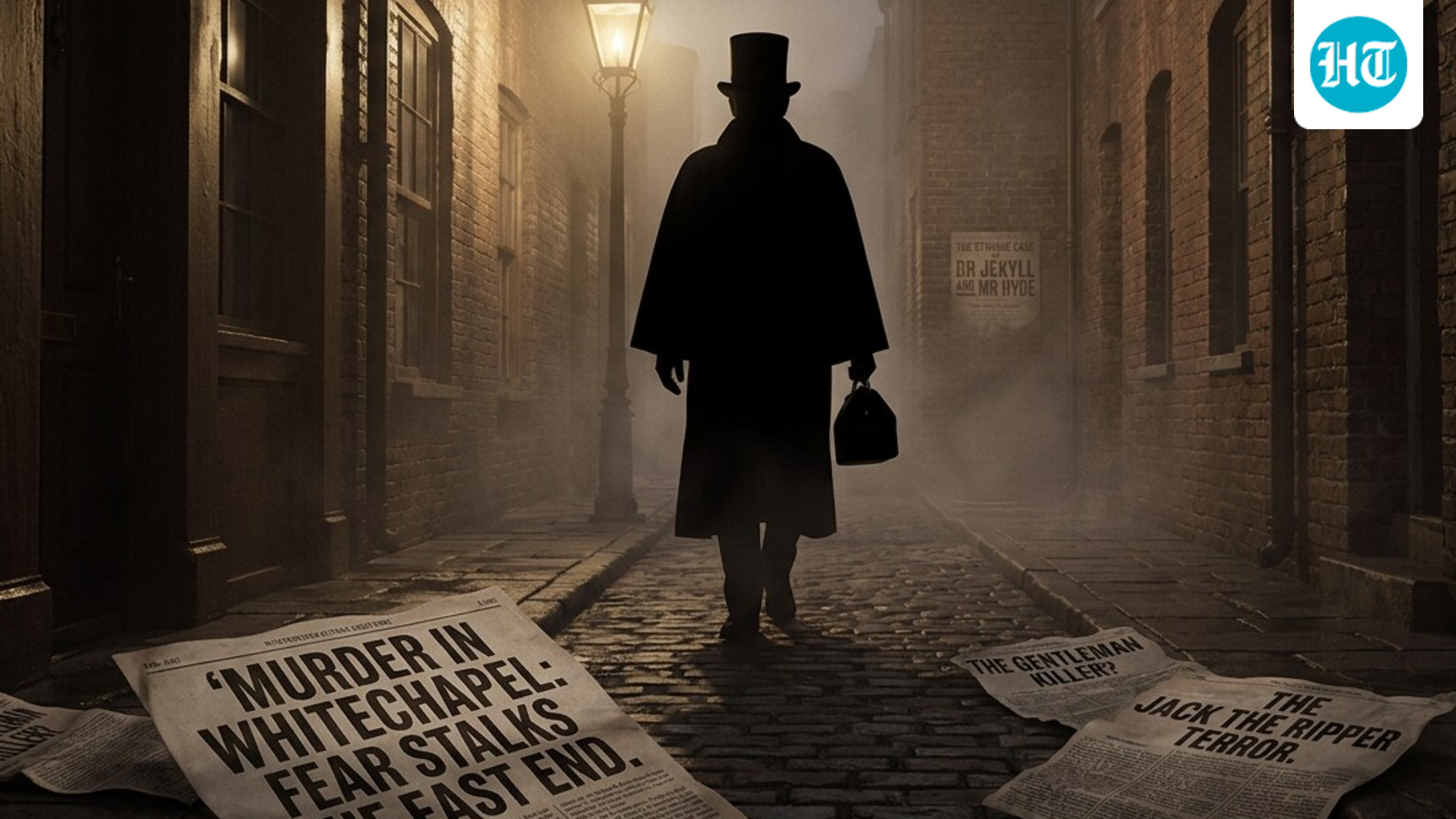
London, 1888. Fear had taken hold of the East End. Five women had been brutally murdered, the killer remained at large, and the police had little to show for their investigation. With the perpetrator still unidentified and Scotland Yard struggling to make progress, London's newspapers began shaping the story of a mysterious murderer who would become one of history's most infamous figures: Jack the Ripper.
The Whitechapel murders gripped Victorian London, with reports of mutilated bodies, mysterious suspects, and unanswered questions dominating newspapers. The story soon spread, and a later BBC retrospective based on original Home Office files examined how sensational newspaper coverage fueled myths that misled both the public and the police.
On November 9, 1888, Mary Jane Kelly, widely regarded as the fifth and final canonical victim of Jack the Ripper, was murdered in London's East End. At the time, the Lyceum Theatre was staging an American production of The Strange Case of Dr Jekyll and Mr Hyde, with a business manager named Bram Stoker, who would later write Dracula.
The theatrical production had already attracted attention for its portrayal of violence against women. The Pall Mall Gazette, reviewing the play, highlighted scenes in which Hyde attacked women, and within weeks, the newspaper was drawing comparisons between the fictional character and the mysterious killer stalking Whitechapel.
Cultural history experts have noted that the newspaper was writing of a Mr Hyde stalking the East End, blending the real crimes with figures from penny dreadfuls and Victorian melodramas. The similarities became so striking that Richard Mansfield, the American actor playing Jekyll and Hyde, was even suspected of being the killer by a concerned theatergoer who wrote to the police.
Newspaper coverage of the murders was not uniform. While Fleet Street publications focused on panic and the idea of outcast London, local outlets like the East London Observer adopted a more sympathetic tone when describing victims such as Polly Nichols.
The Pall Mall Gazette, under editor WT Stead, was particularly influential. Stead was experimenting with a sensational reporting style linked to early tabloid journalism and used the murders to criticize the police while highlighting poverty, prostitution, and the exploitation of women.
Newspaper reports began suggesting the killer could be a wealthy aristocrat, a doctor, or an immigrant. These narratives tapped into existing middle-class moral agitation regarding class inequality and sexual exploitation in Victorian society.
The media frenzy did more than shape public opinion; it also complicated the police investigation. Authorities received hundreds of letters from people claiming to have information, many signed with the name Jack the Ripper.
Historians and researchers have also questioned whether later police suspect lists, such as a 1894 memorandum by senior officer Sir Melville Macnaghten naming three possible suspects, were the result of thorough investigations or merely a reflection of the theories circulating widely in the press at the time.