


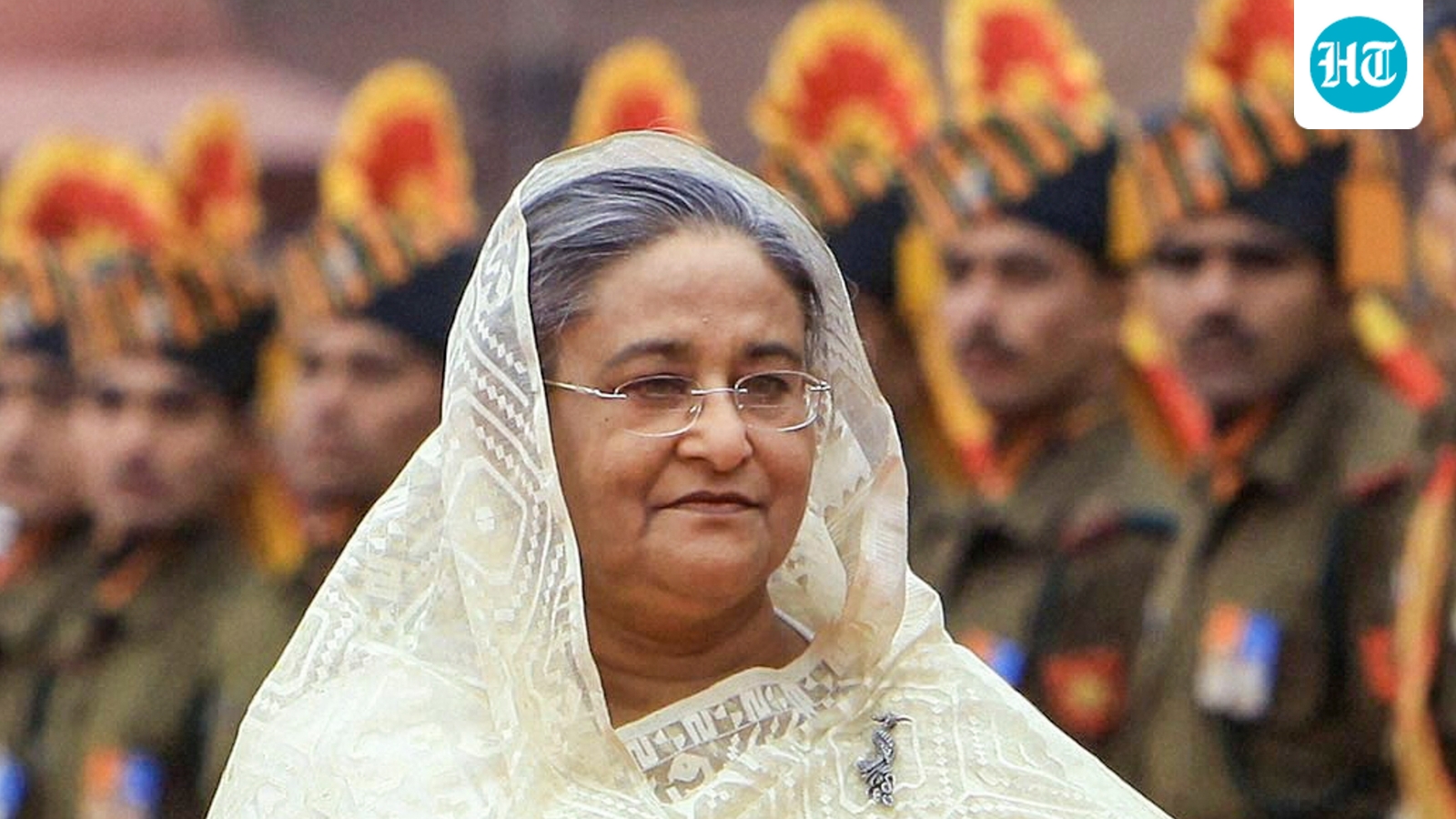
New Delhi: Bangladesh swiftly rejected a request for a new passport this week from deposed Prime Minister Sheikh Hasina, who intends to return home in December from self-imposed exile in India. The 78-year-old former leader has resided in India since her government was overthrown during a student-led uprising in August 2024, an event that ended a long tenure marked by accusations of crushing political dissent, which she denies.
Following her departure, an interim administration revoked her passport and national identification documents. On November 9, her legal counsel submitted an emailed request to the Bangladesh embassy in New Delhi for expedited travel documents, citing her citizenship and international human rights obligations. In response, the Bangladesh government stated it would not issue travel papers to a terrorist and formally urged New Delhi to hand her over under an existing bilateral extradition treaty.
Political analysts note that the current administration in Dhaka wants to avoid any scenario where Hasina's return becomes a public spectacle capable of galvanizing her loyal supporters. The Awami League party has maintained that Hasina will travel back in December regardless of whether official travel documents are issued, although neither she nor her aides have clarified how she would bypass border controls along the long, partially porous frontier.
During a telephone interview, Hasina acknowledged that authorities might arrest or kill her upon arrival, but expressed a desire to return voluntarily and face the situation on her own soil. Despite the personal risks, she emphasized a duty to stand by party workers who have faced hardships in the absence of leadership. Meanwhile, the Bangladesh Nationalist Party has assumed power following elections held earlier this year, and Prime Minister Tarique Rahman now leads the country.
The potential return of a polarizing figure sentenced to death in absentia poses severe risks to a nation striving to recover from prior political and economic turmoil. Any major demonstration of support for Hasina could trigger renewed unrest, leaving the government facing complex legal and security challenges as it weighs how to handle the deposed leader.