


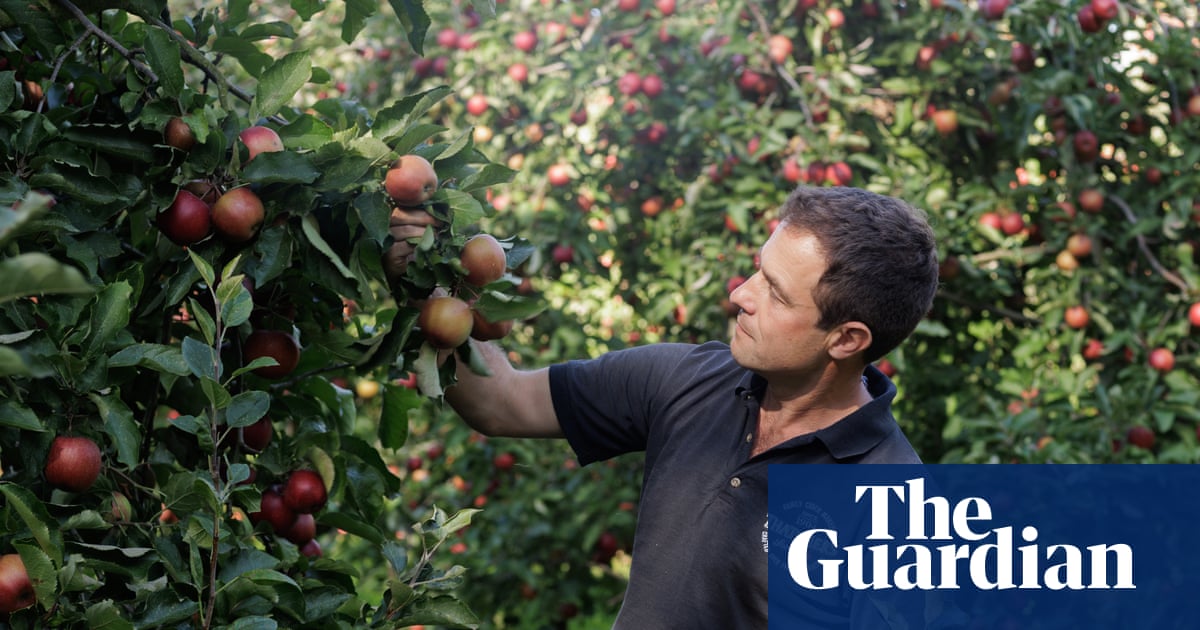
On Myrtle Farm in Somerset, thousands of apple trees stand in uniform rows while analysts study how each specimen responds to increasingly erratic weather patterns, from wet winters to long summer droughts. These ongoing trials are designed to shape the future of apple cultivation and cider production for decades to come. As the home of Thatchers Cider, the farm recently experienced its earliest harvest in its 122-year history. Despite deepening climate challenges, a dedicated experimental orchard featuring thousands of trees divided into distinct varietal rows offers hope for more reliable and predictable future yields.
The research focuses on identifying robust apple varieties capable of resisting diseases and pests while reliably withstanding extreme Somerset weather. Martin Thatcher, managing director of the company, notes that while Somerset remains an ideal location for cider making, the changing climate requires proactive preparation. Introducing a new apple variety and updating orchard growing methods is a lengthy process, as individual trees take seven years to yield a fruit crop and can last for decades. This experimental approach has roots stretching back nearly 30 years, when John Thatcher rescued hundreds of cider apple varieties from the government-funded Long Ashton research station prior to its closure.
Today, the Shiplate orchard near Bleadon houses a diverse collection of trees, including traditional cider cultivars and modern varieties. Growers evaluate which apples produce superior cider and thrive under modern orchard conditions before planting them out in larger trial rows. Amid efforts to reduce pesticide reliance, the search is on for varieties naturally resistant to pests that will also blossom in sync with local pollinators like bumblebees and honeybees. Another major priority is identifying cultivars requiring less winter chill, a crucial factor during milder winters where a lack of sustained cold can hinder proper fruit bud development in the spring.
Orchard managers point to specific varieties like jonagold for displaying exceptional vigor and strong root systems that perform well regardless of weather extremes. To further protect crops naturally, Myrtle Farm has introduced wildflower strips designed to attract beneficial insects that prey on harmful pests like the rosy apple aphid. Industry experts note that similar practices have been adopted by numerous independent British apple growers to reduce chemical inputs and spray costs, while seed producers work toward creating specialized orchard seed mixes.
Independent growers are also rethinking water management by moving away from traditional irrigation methods in favor of neutron probes and controlled water stress. By allowing the top layer of soil to dry out, farmers encourage trees to develop deeper root systems and hunt for moisture independently. Alongside these water-saving techniques, farms are prioritizing soil health through regenerative agriculture, utilizing herbal leys and livestock grazing to improve soil structure before establishing new orchards.