


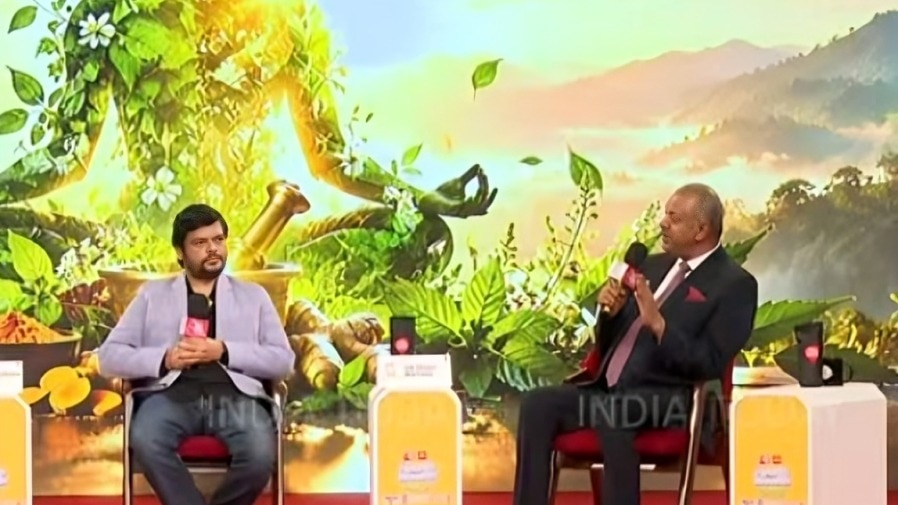
Dr Uppoor recommended making lunch the heaviest meal, keeping dinner light, chewing food properly and walking 100 steps after every meal. He also suggested drinking 400–500 ml of room-temperature water after waking up.
Discussing fasting, Dr Mathai said regulated fasting could give the digestive system and liver time to rest. However, both practitioners cautioned against treating it as a universal solution, particularly for people with existing medical conditions.
Dr Uppoor also discussed traditional kitchen ingredients such as fenugreek for diabetes, while stressing that they should never replace prescribed medication. Sleep was another focus, with Dr Mathai advising people to keep mobile phones away before bedtime and establish relaxing nighttime routines.
On Panchakarma, Dr Mathai highlighted its role in traditional preventive healthcare but warned against its misuse and stressed the importance of qualified practitioners. The doctors also discussed GLP-1 weight-loss drugs, with Dr Mathai acknowledging their relevance for selected patients while cautioning against casual use.
Dr Uppoor further advocated reducing sugar, increasing vegetable consumption and avoiding certain food combinations described in Ayurveda as incompatible. His broader message was to prioritise exercise, moderation, balanced routines and preventive care rather than depend on quick fixes.