


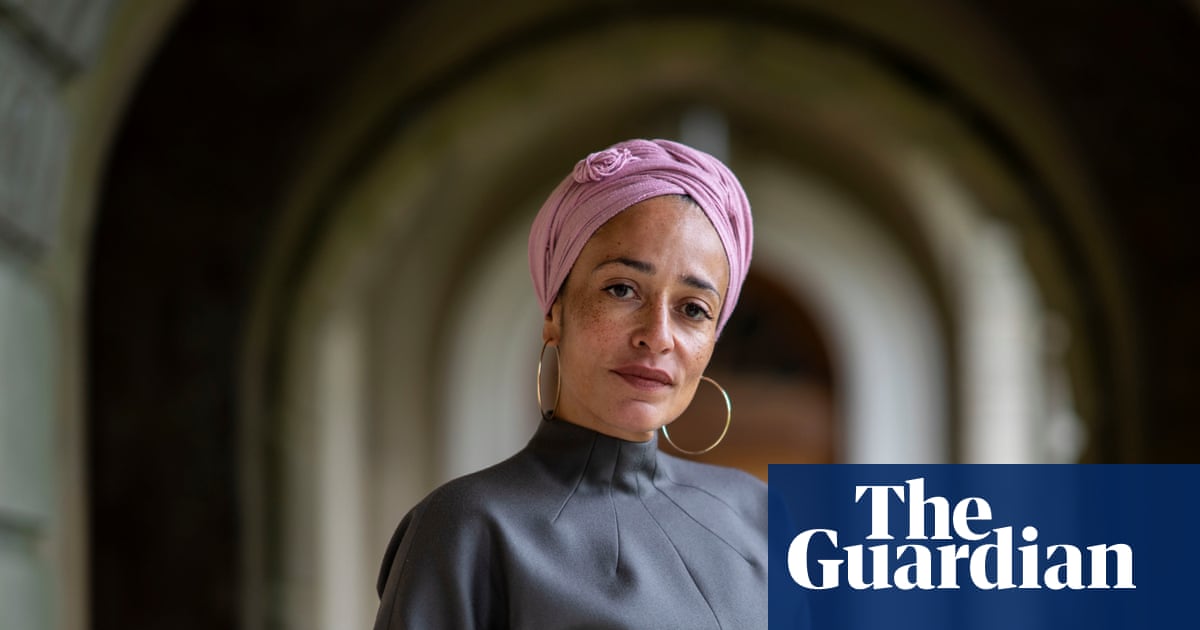
Margaret Atwood, Zadie Smith and Ian McEwan are among a number of literary stars auctioning off the chance for readers to name characters in their next novels to raise money for survivors of torture.The auction is part of Freedom from Torture’s 10th anniversary literary festival, which brings together leading authors and survivors for a celebration of storytelling, featuring a poetry competition and live readings at the London Library on 11 November.More than 75 authors, poets, artists and illustrators are supporting the festival, with other prizes including original artwork by Quentin Blake, a rare book of Mary Wollstonecraft stories illustrated by William Blake, and a book club visit from the author Louise Doughty.A bookmark raffle will feature more than 30 original designs by authors, each paired with a signed copy of the book that inspired it. Contributors include David Nicholls, Mark Haddon, Felicity Cloake, Nathan Filer, Nikesh Shukla, Sathnam Sanghera and Jeremy Vine.The festival also features a poetry competition centred on the experiences of torture survivors, judged by the Booker prize-winning novelist Alan Hollinghurst and the poet Rachael Allen.It comes amid growing concern over asylum policies in Britain and across Europe, with the charity warning that changes to legal protections could put torture survivors at risk of being returned to the countries they fled.Samuel Morton, the special events and philanthropy manager at Freedom from Torture, said that the festival is inspired by their creative writing group, Write to Life, which is the UK’s longest-running refugee writers group, and believed to be the only one in the world for survivors of torture.“They meet weekly and put pen to paper, and it’s a brilliant way to support each other and to process the things that they’ve been through in their trauma, as well as their hopes for the future.”Four members from Write to Life will perform their own work at the London Library alongside acclaimed writers including Max Porter and the poet John Hegley.Tracy Chevalier, the bestselling author of Girl with a Pearl Earring and The Last Runaway, is another of the authors joining the auction.
She has supported the charity’s literary auctions since 2006, but admitted she was initially nervous about letting strangers name her characters.“Names are important to me in my books,” Chevalier said. “What I choose to call a character, who I’m going to live with in my head for the next few years, they need to mean something to me.”To her delight, her first winning bidder was Laura Devine, whose name she gave to a circus performer in her novel Burning Bright. The pair have remained friends ever since.Chevalier has taken part in three more character-naming auctions, including one that saw her turn the name Dody Bienenstock into a “no-nonsense landlady” in San Francisco.
She also praised the festival for giving survivors the opportunity to share their experiences in their own words.“The story of your life is inside of you and for a lot of people it’s not great. They’ve had really terrible experiences and that pressure builds and to not only let it out, but control how you let it out. [To say] this is my story and I’m going to tell it.
I’m not going to have a journalist tell it for me or a famous writer. I’m speaking,” she said.“And the incredible power of that, of writing it down, so that it gets out of you and on to the page, and then you can shape it and do with it what you will, or throw it away if you want.”Chevalier said many authors were drawn to the cause by concerns over the worsening treatment of asylum seekers in Britain. “I’m an immigrant myself, but nobody’s ever questioned my right to be here.
And that’s because I’m white and American,” she said.Morton criticised the government’s proposals to weaken the appeals system and raised concerns over the growing appetite across Europe to weaken legal safeguards, such as Article 3 of the European convention on human rights.“Poor-quality asylum decisions risk sending survivors back into the hands of their torturers,” Morton said. “These protections are fundamental and must not be weakened for political convenience.”