


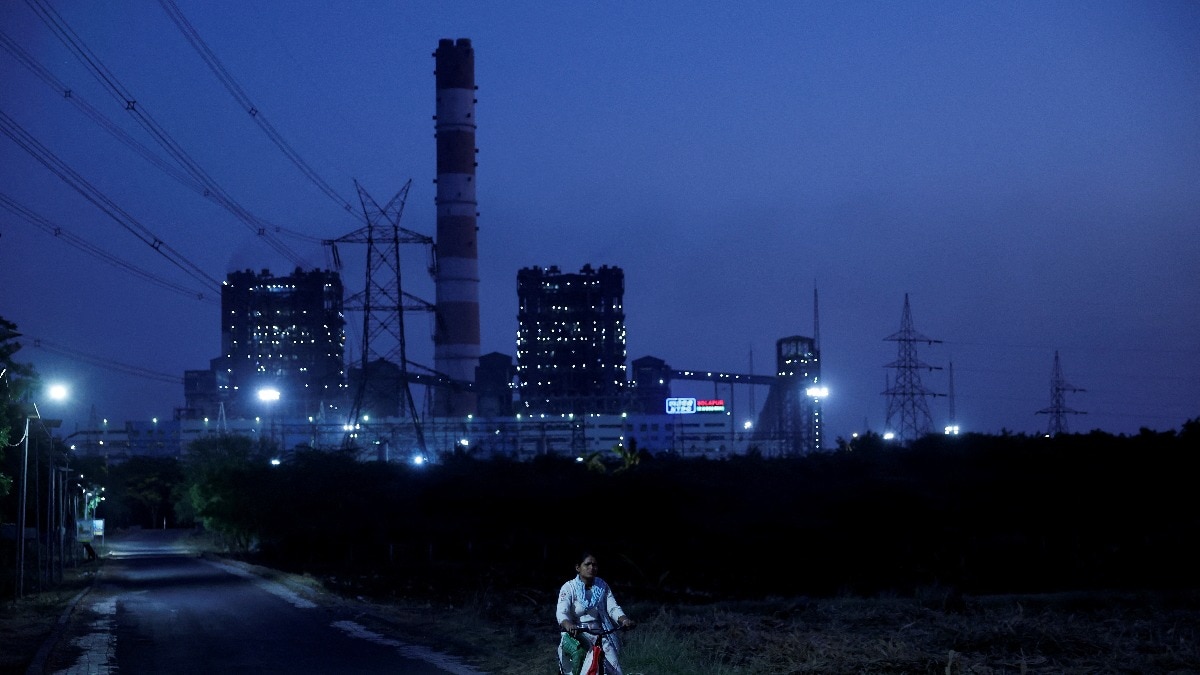
India's total coal stocks at power plants have fallen by around 5% since the beginning of October. Meanwhile, daily peak electricity demand has been 45 gigawatts (GW) to 50 GW higher than a year earlier, the report mentioned.India’s total coal stocks at power plants have fallen by around 5% since the beginning of October.
Gujarat has asked factories to reduce electricity use during evening hours as rising demand and low coal stocks at power plants put pressure on the country’s power supply, reported Reuters.The state has urged industries to shift production away from peak hours to help avoid shortages, as the country is struggling to meet evening electricity demand, partly because it lacks enough battery storage to save clean power generated during the day for use later, the report mentioned.Uttar Gujarat Vij Company Ltd, a state power utility, has sent text messages to industries and citizens asking them to conserve electricity during peak evening hours, from 5 pm to 11 pm.Factories have been asked to voluntarily shift production to other hours to reduce pressure on the power supply during this period. Gujarat has also sought additional coal and electricity supplies from the central government.
The state is planning new coal and nuclear power projects, along with battery storage facilities, to meet future demand.The appeal comes as around half of India’s 191 coal-fired power plants are operating with critically low coal inventories, according to data from the Central Electricity Authority, the report mentioned. Hotter weather linked to El Nino, higher demand for irrigation and increased industrial activity are driving up electricity consumption across the country.Several states, including Gujarat, Punjab, Madhya Pradesh, Bihar, Kerala, Tamil Nadu and Himachal Pradesh, are seeking short-term coal power through tenders, according to Power Ministry data.India’s total coal stocks at power plants have fallen by around 5% since the beginning of October.
Meanwhile, daily peak electricity demand has been 45 gigawatts (GW) to 50 GW higher than a year earlier.The pressure on the electricity supply has also been reflected in the widening gap between demand and availability.Last month, the gap between electricity demand and supply reached 560 million kilowatt-hours, the highest level since August 2023, according to government data.- Ends