


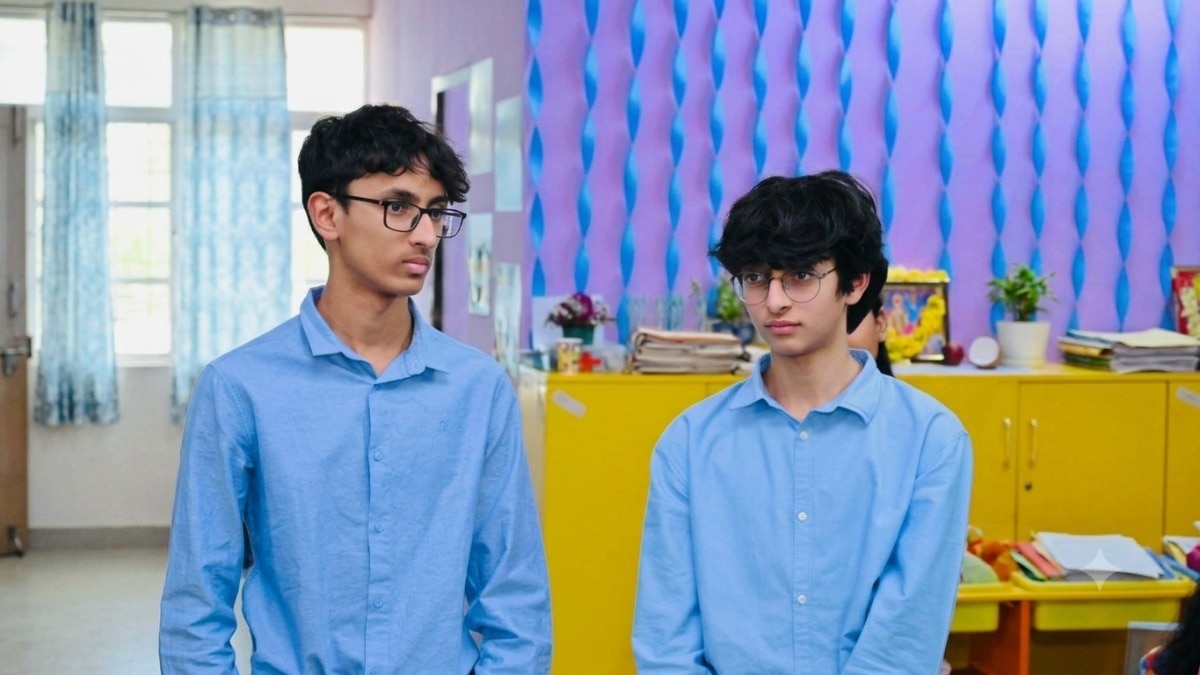
Two Class 10 students have developed an artificial intelligence application aimed at improving child safety in day care centers, sparking interest from various sectors including old-age home operators. Shloak Bihani and Aryaman Taparia built a system called Sajag AI, which converts existing closed-circuit television cameras into real-time safety monitoring tools. The project has already received recognition from the Telangana government.
The initial deployment took place at Aveksha day care centers operated by Confederation Of Women Entrepreneurs India, in collaboration with the United Nations Development Programme in Hyderabad. Aveksha runs facilities for the children of women industrial workers and underprivileged families. The project began after a conversation highlighted the monitoring gap faced by staff who had to watch feeds from numerous centers while managing other responsibilities.
Shloak and Aryaman spent months teaching themselves coding, testing architecture, and troubleshooting technical issues. After an initial prototype using MediaPipe fell short, they trained their own detection model and built the setup using a Raspberry Pi 5. The system connects to existing cameras and uses a model trained on thousands of images to scan for patterns associated with rough handling, pushing, or hitting.
To prevent false triggers, the system verifies four consecutive detections over a span of about three seconds before dispatching an SMS and email alert to caregivers and monitors. During initial live tests, the technology successfully identified most staged incidents, though the developers note that reducing false alarms remains an ongoing priority.
The young innovators were formally felicitated during the launch of the workplace childcare collaboration. The network currently operates 18 centers across Telangana, serving young children from underprivileged backgrounds. The creators emphasize that the tool is intended to assist caregivers rather than replace them, noting that affordable facilities often lack the resources to continuously monitor live security feeds.
Following the initial rollout, the cousins have received inquiries regarding potential adaptations of Sajag AI for alternative environments. Interested parties have asked whether the technology could be modified to detect falls in old-age homes, monitor workers sleeping in factories, or flag safety concerns in girls' hostels.
Despite the broader interest, the students plan to concentrate on their current commitments, which include upcoming board examinations and making the system fully operational across all 18 Hyderabad day care locations. Once the pilot phase concludes successfully, they hope to introduce the technology to day care centers in Noida and refine the model before tackling new applications like elderly care.