


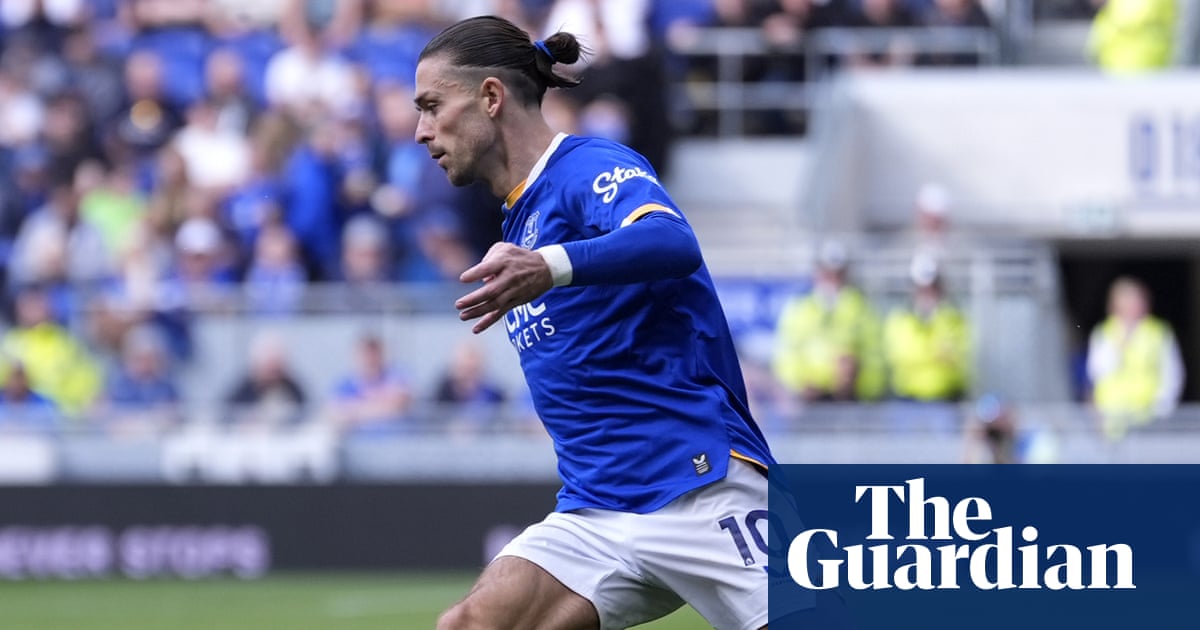
Thomas Tuchel has never selected the player he once praised extensively, leaving Jack Grealish out of his first England squad due to a lack of match rhythm. Grealish recently faced a three-match suspension from Everton for a breach of club discipline, though manager David Moyes helped ease speculation that his loan from Manchester City might be terminated. Following a behind-closed-doors friendly against Derby, Grealish issued a public apology to fans and the club for his recent absence. Amid tabloid reports of nights out and socialising, questions surround the trajectory of the 31-year-old former prodigy.
By many measures, Grealish has enjoyed an impressive career, rising from a hometown hero at Aston Villa to a record £100m signing and treble winner with Manchester City, all while retaining a popular, down-to-earth public persona. Unlike Declan Rice, Grealish remains well-liked even in the Republic of Ireland after switching international allegiances. Yet his career increasingly feels like a tale of unfulfilled potential, with his trophies at City won largely as a structured component of Pep Guardiola’s tactical machine rather than as an expressive soloist.
English football has a long history of seeking out the next ball-carrying maverick, from 1950s figure Len Shackleton to the charismatic rebels of the 1970s celebrated by writer Rob Steen. Players like Peter Osgood, Alan Hudson, Stan Bowles, Frank Worthington, Charlie George, and Tony Currie became household names in an era when football and nightlife freely mingled. Today, a cottage industry of podcasts and YouTube channels romanticises those bygone days when the pub played as significant a role in a player's life as the training ground.
In contrast, the elite modern footballer lives a near-monastic existence focused on recovery, preparation, and strict refuelling habits to maintain precise body-fat percentages and muscle repair. Technical ability is merely the baseline, while relentless application is mandatory, especially as player salaries continue to soar. Jadon Sancho, despite numerous winners' medals, struggled to find a club willing to take him on after leaving Manchester United.
The contrasting paths of Grealish and Harry Kane illustrate this shift. Emerging around the same time in the 2014-15 season, Grealish was initially viewed as the superior natural talent, while Kane rose through sheer dedication and continuous improvement. When Kane collected his individual honours, former player Thierry Henry emphasized that a strong work ethic is itself a talent forged through struggle. This mirrors the historical philosophical divide between expressive cavaliers like Bowles and George and pragmatic managers like Alf Ramsey and Don Revie, as well as the industrious approach of Kevin Keegan compared to George Best.
As historic figures like Best, Bowles, and George ultimately found their second-chance ventures cut short, questions remain over how many opportunities are left for Grealish. While he initially appeared rejuvenated under David Moyes at Everton, expressing deep affection for his manager, further disciplinary infractions threaten to exhaust that goodwill. Ultimately, the maverick tradition that Grealish embodies belongs firmly to football's past.