


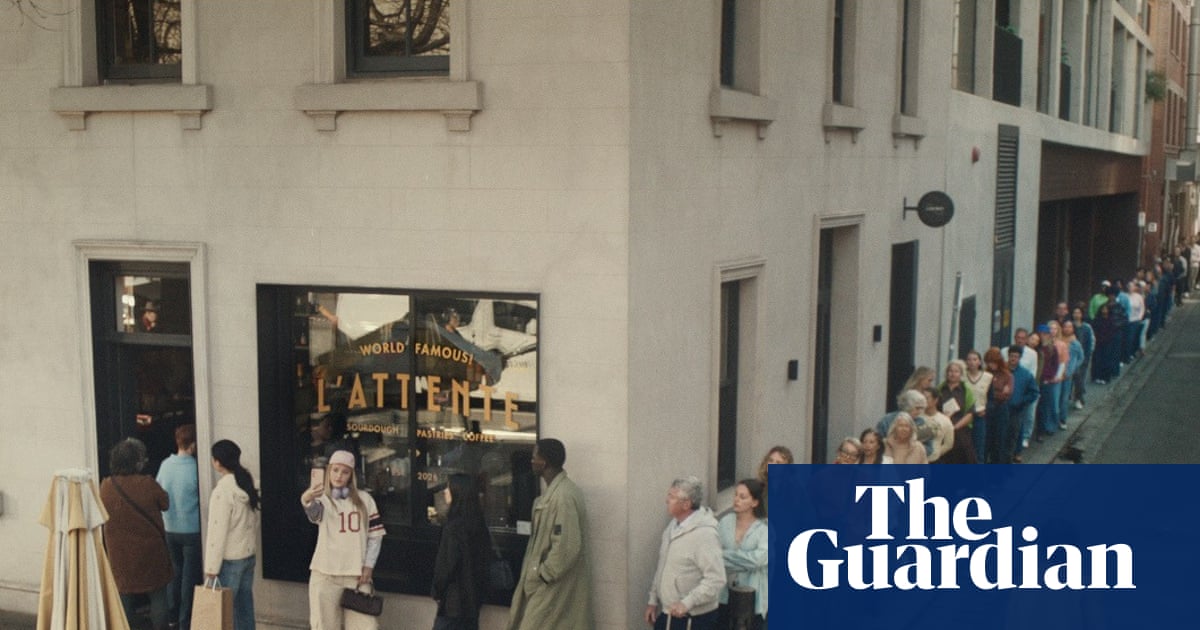
Research indicating that tourists dislike being classified as such has inspired a cheeky new marketing push from Tourism Tasmania telling potential visitors to stay away. The campaign asserts that the island state is not really for tourists, featuring former newsreader Lee Lin Chin in a wry effort that taps into the common preference for identifying as a traveler rather than a tourist.
The initiative centers on a short video depicting a man who abandons a massive queue for a famous pastry, choosing instead to seek solitude in the Tasmanian wilderness. Chin, who famously maintains an offline lifestyle without a mobile phone, also appears in promotional videos exploring local walking trails.
Sarah Kingston Clark, the chief executive of Tourism Tasmania, explained that the campaign is intentionally wry rather than actively anti-visitor, designed to address the modern tensions associated with travel. Professor Can-Seng Ooi of the University of Tasmania pointed out that studies show people want to avoid crowds because tourists often harbor a negative self-image. Ooi noted that the target audience consists of stressed city dwellers on the mainland who yearn for quietness and prefer the elevated identity of travelers.
Having spent two decades researching tourism and culture in Scandinavia, Ooi observed that the messaging and aesthetic carry a distinctly Scandinavian flavor. He described the appeal as a quiet place where time slows down, shifting focus from the cold north to the cold south through imagery featuring saunas, books, and vinyl records.
Associate Professor Char-lee McLennan from the Queensland University of Technology suggested that the strategy employs reverse psychology, which could ultimately aid regional economies by dispersing travelers away from crowded hotspots. Meanwhile, University of Technology Sydney marketing expert Professor David Waller noted that the theme serves as a critique of overcrowded, line-joining tourist destinations rather than tourism itself, with Chin contributing a dry, intelligent sense of humor.
At the same time, experts caution that the campaign's ultimate success will hinge on whether the actual visitor experience matches the promotional promises while still delivering genuine economic advantages to regional communities.