


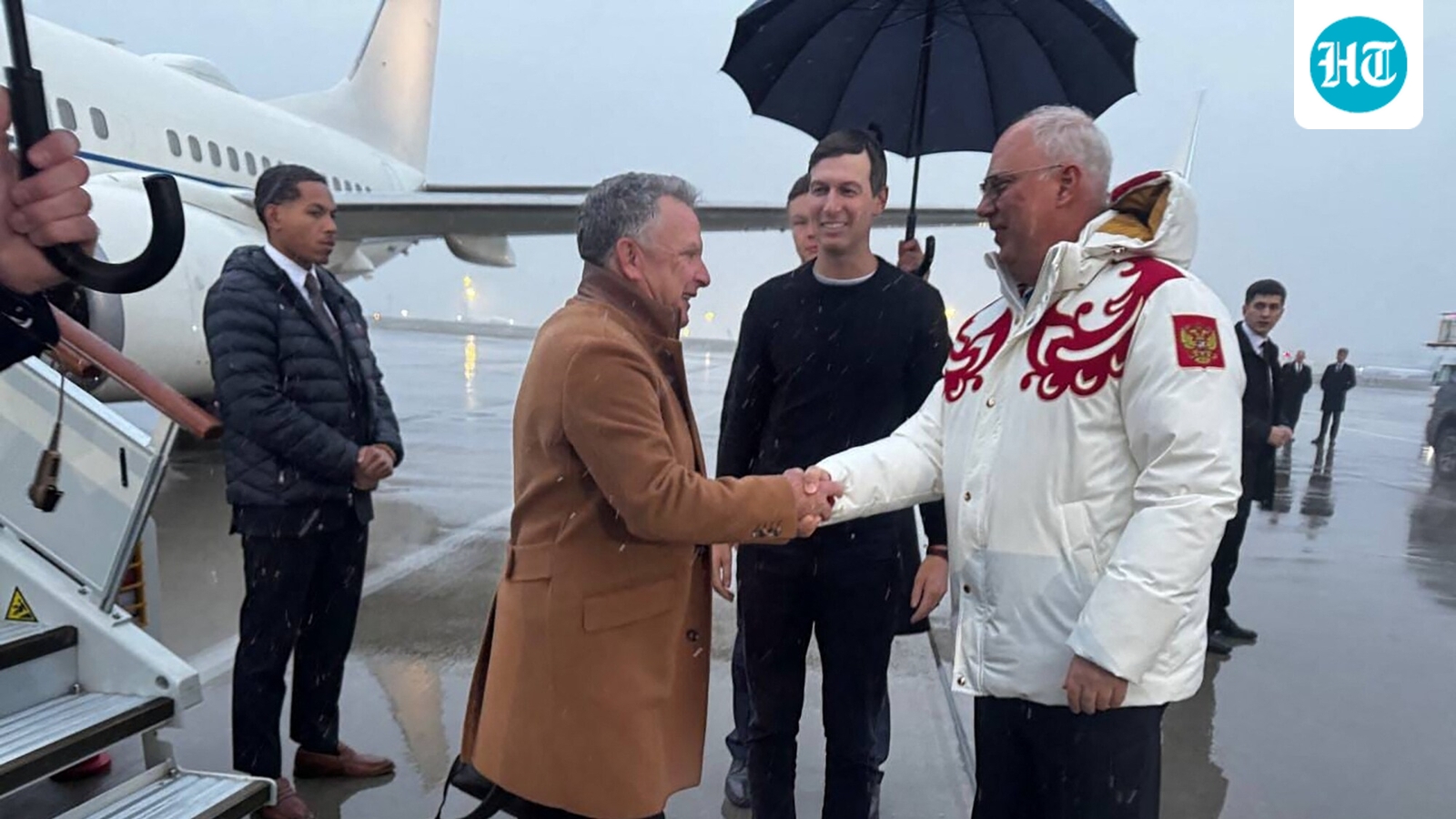
U.S. President Donald Trump's special envoys arrived in Moscow on Thursday to meet with President Vladimir Putin regarding the outcomes of U.S.-mediated discussions between Russian and Ukrainian delegations. Steve Witkoff and Jared Kushner, who serves as Trump's son-in-law, traveled to the Russian capital following two days of negotiations in Abu Dhabi, United Arab Emirates. Those earlier talks concluded Wednesday with an agreement for a substantial prisoner of war exchange, though they yielded no visible breakthrough toward ending the conflict that has entered its fifth year.
Following their meeting with Putin, Kushner stated that he and Witkoff would travel onward to Dublin, Ireland, to meet with Ukrainian President Volodymyr Zelenskyy. The Ukrainian leader offered a reserved response to the Abu Dhabi negotiations, acknowledging the planned prisoner swap as a positive development while maintaining that Ukraine will not surrender occupied territory in exchange for peace.
Expectations had been modest for a major breakthrough during the first meeting between the delegations in nine months. While Moscow and Kyiv have periodically exchanged prisoners, they remain deeply divided over fundamental conditions for a peace settlement. Key obstacles include the status of Russian-occupied Ukrainian lands, postwar security guarantees, and the potential involvement of European nations in a final agreement.
Moscow has historically opposed the direct participation of European countries in negotiations, citing European financial support and weapons supplies to Kyiv. However, Kushner noted that a primary objective of the Moscow discussions was to advocate for European inclusion. He emphasized that both Russia and Ukraine require clarity regarding postwar security frameworks, and that European nations, the European Union, and NATO must participate to build a consensus on future steps.
Kremlin spokesman Dmitry Peskov indicated Wednesday that European representatives might eventually join the peace process, though he claimed current European statements reflect no inclination to foster peaceful progress. Meanwhile, Ukraine seeks firm assurances against future Russian aggression, and European officials maintain that security architecture discussions can only begin after a ceasefire is established. European capitals remain wary of concessions to Putin, who continues to view NATO's eastern expansion as a primary security threat and demands the withdrawal of alliance forces from Russia's borders.